Climate Action Plan will not include 'cull of cows or cars'
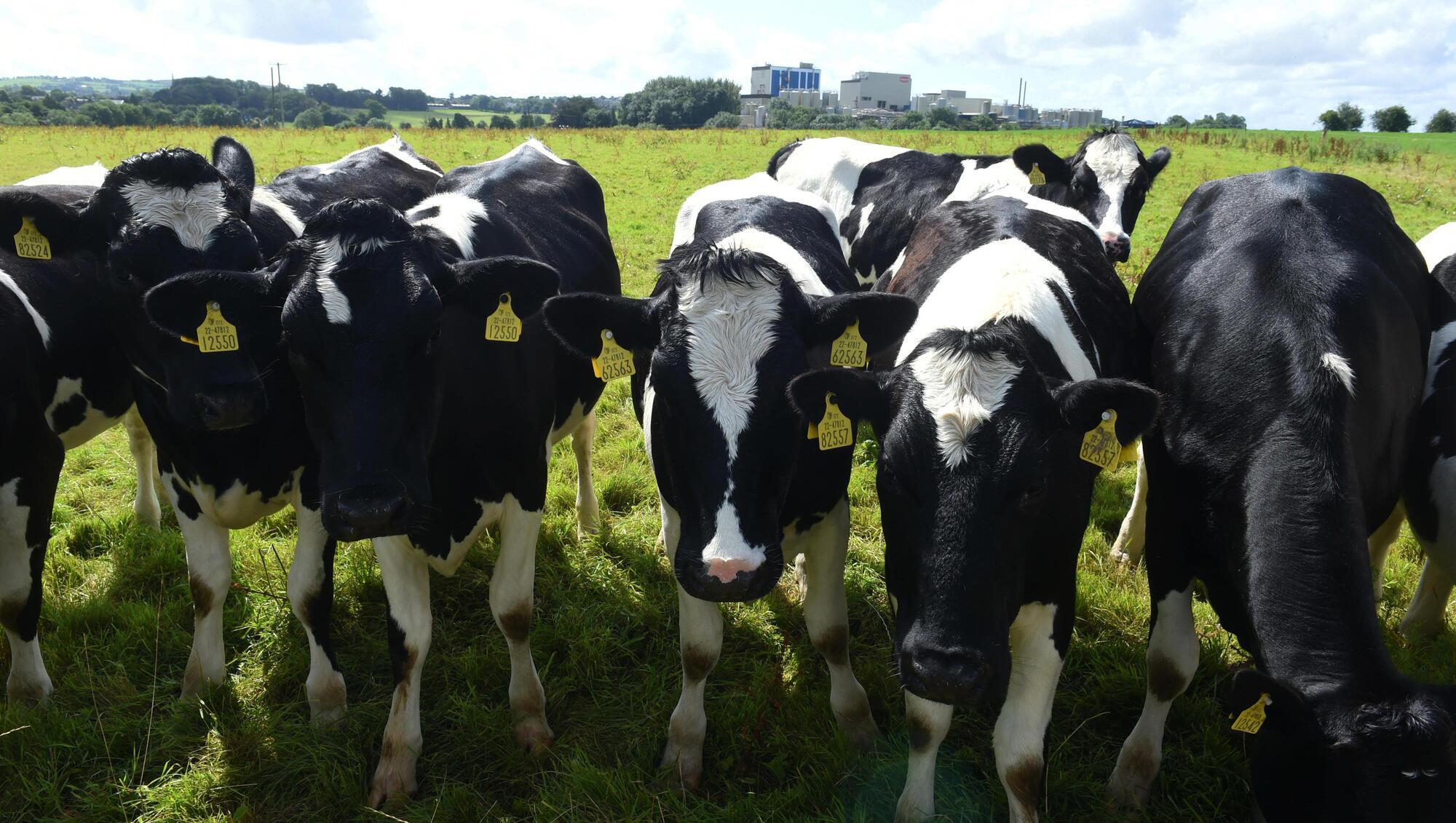
Eamon Ryan said the national herd is likely to reduce, but it has been made clear there will be no cull, but rather a voluntary reduction. Picture: Larry Cummins
The Government’s Climate Action Plan will target a 20% cut in the number of kilometres travelled by cars as opposed to a reduction in the number of cars on the road.
It has also been stressed there will be no forced reduction in the size of the national herd, but reductions will occur through “incentivised diversification” in the agriculture sector.
Senior Government sources have told the there is “no cull of cows or cars” contained in the plan to be approved by the Cabinet on Wednesday.
The Climate Action Plan seeks to set out sectoral target reductions for carbon emissions out to 2030 with a 50% reduction in transport being targeted and a 75% reduction from the energy sector.
Each sectoral target has now been agreed and those targets will not change.
In transport, a target of 30% of passenger cars being electric vehicles is recommitted to in this plan.
Transport Minister Eamon Ryan is insisting this does not mean a lessening of ambition but it is seeing cars alongside public transport, shared mobility and active travel. “There will be a focus on reallocating road space,” a source said.
The OECD report in October has been taken into account and the plan focuses on all modes of transport, not just cars.
“This plan is about how we will go about achieving them across every sector,” said one senior source.
The plan is said to be “largely agreed”, with no major stumbling blocks outstanding.
The plan will go to the cabinet sub-committee on Tuesday and then to the full Cabinet for approval on Wednesday.
Speaking on Monday, Mr Ryan said each sector has to step up to the plate to ensure the targets are met.
"Agriculture much less than others; agriculture is about a quarter of the emissions [that] have to reduce. In transport it's about half, in the likes of energy it's up to 75%. So some sectors will have to do more than others, but every sector will have to play its part,” Mr Ryan said.
Mr Ryan said the national herd is likely to reduce, but it has been made clear there will be no cull, but rather a voluntary reduction.
"There will be lower numbers of cattle, but there will be higher income for a whole variety of different farming groups," he said.
On reducing the numbers of cars on the roads, he said this is probably the most challenging.
"We do need to switch towards much more public transport, much more active travel — but also reduce the need for travel.
"We're using things like changes that are happening in remote working, in town centre-first strategies, in building back in the centre of our cities so there's not necessarily everyone having to do a long commute.
"A complete pivot in transport is what we needed [sic]."
"We can do it."
Mr Ryan said the targets were based on scientific analysis.
"All the sectors have got huge challenges — it's beyond compare — but we are going for it.
"The Climate Action Plan which is being set out, agreed hopefully by Cabinet on Wednesday, it's done on really detailed assessment of each sector.
"It's done on scientific analysis of what's happening at present, what can we do to change and what would that lead to.
"Yes it shows we can do it — no one should underestimate the scale of that change and the challenge," he added.
CONNECT WITH US TODAY



Be the first to know the latest news and updates