Healthy Ireland report shows we drink more, but smoke less
Healthy Ireland report shows we drink more, but smoke less

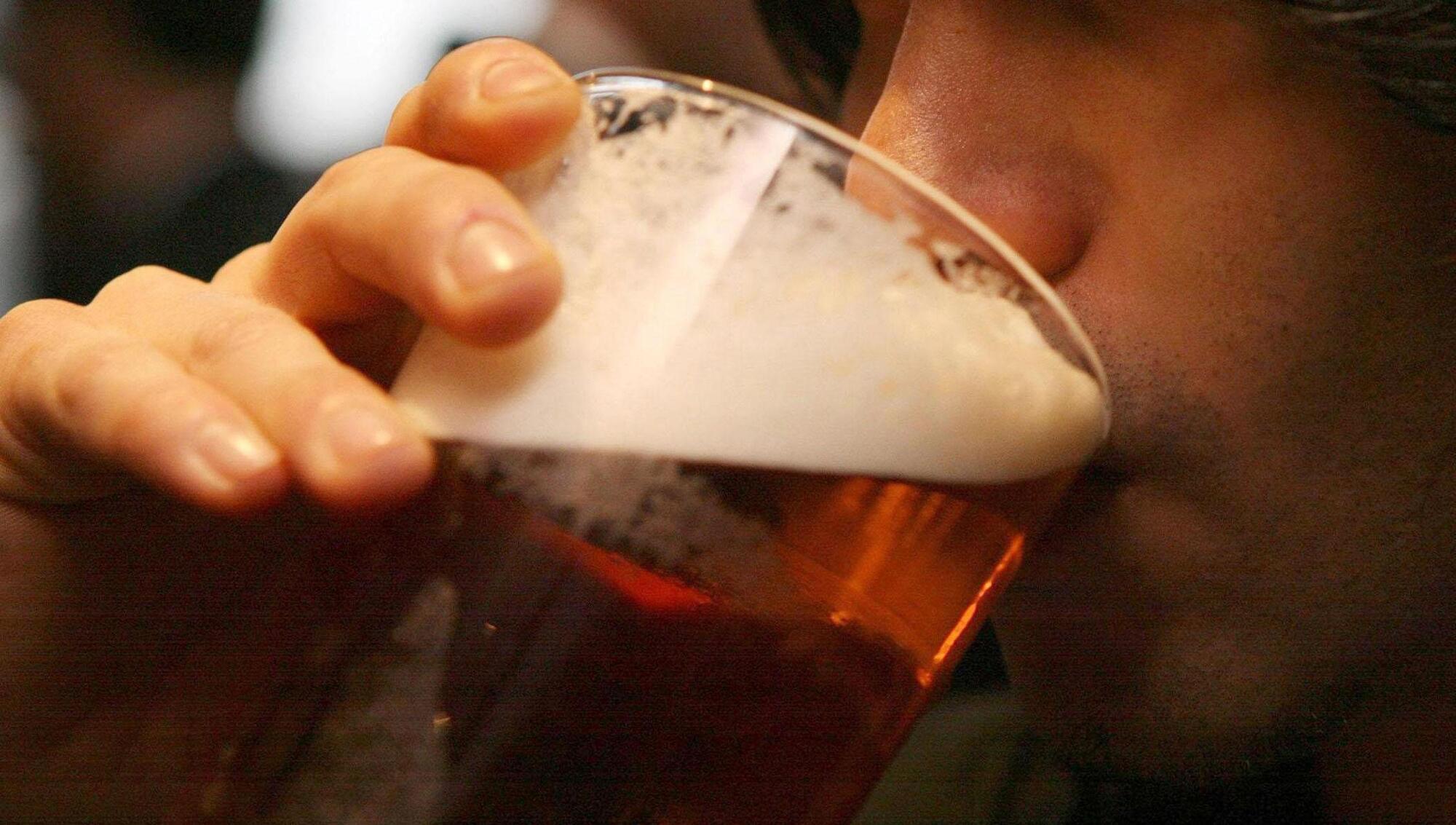
According to the study, 32% of people who drank over a six-month period this year were considered binge drinkers. Picture: Johnny Green/PA Wire

We are drinking more but smoking less, possibly getting more overweight, and some of us are struggling to buy basic healthcare products such as tampons, according to the Healthy Ireland 2022 report.

The report analysed the state of the nation’s health through interviews with 7,455 people aged 15 and over.

Drinking

It found that people are drinking more than they were just before the pandemic, with 13% of drinkers reporting they drink more now than they did at the start of Covid-19 restrictions in March 2020.

The figures on binge drinking indicate this habit is on the rise also.

Last year, 22% of people who drank over a six-month period were considered binge drinkers, but this year that figure stands at 32%.

Today’s rate of binge drinking — defined as six or more drinks in a session — is still less than in 2018 when it was at 37%.

Smoking

The report shows smoking levels have remained constant this year at 18%, the first year since 2015 that rates did not drop compared to the year before.

However, the proportion of people who smoke every day has dropped again to 14%, having risen to 16% during the pandemic.

Breaking these figures down by age shows that people aged 25 to 34 are the most likely to smoke, with almost one-in-four in this cohort smoking.

Overall, men (21%) are more likely to smoke than women (15%).

Obesity

The study found that people’s weight appears to have changed little since 2019, with over half reporting themselves as obese or overweight.

However, the authors note that respondents had to weigh themselves this time, in contrast to previous in-person interviews where weighing was done independently. It says this can lead to underestimates of around 10%.

More than four in 10 (41%) reported a normal weight, with 35% reporting they are overweight, and 21% obese. Some 2% reported being underweight.

Mental health

The section on mental health is more detailed than in previous reports, with findings showing a 13% reduction in mortality rate from suicide in 2020 compared to 2019.

Some 4,300 respondents self-selected to fill out a module on suicide awareness. Among them, 6% (about 260) report that they have attempted to take their own life at some point in the past.

Among those who answered this section, 10% of people who were aged under 35 report an attempt to take their own life at some point, compared to less than 1% of those aged 65 or older.

 Chief Medical Officer Professor Breda Smyth.
Chief Medical Officer Professor Breda Smyth.

Chief Medical Officer Professor Breda Smyth said: “We do know that our population has been significantly traumatised, as has the international population, with the pandemic. This has significantly affected mental health.” 

Menstrual health

For the first time, one section deals with menstrual health and period poverty, with questions for women (3,518 respondents) and those who identified as ‘other gender’ (six respondents).

Period poverty was defined as not being able to afford period products, having to swap to a cheaper and less suitable product, borrowing products, or improvising with other materials.

Some 24% of those who answered had experienced at least one of these issues, including 10% who struggled to afford period products, 10% who changed to less suitable products due to cost and 8% who asked to borrow products that they could not afford.

The survey found that "15-24-year-olds are more likely (35%) to have experienced period poverty at some point, as are those who are experiencing unemployment (43%)”.

Chief Nursing Officer Rachel Kenna said of these figures: “A high percentage of women report being limited in their daily activities during their period, often due to painful symptoms, fatigue, and heavy bleeding.” 

Prof Smyth said: “We are pleased to have delivered on a key commitment in our Women’s Health Action Plan, with the publication of robust data on women’s menstrual health and period poverty in this year’s survey, which will support policy developments and on-the-ground initiatives.”

More in this section

Lunchtime News

Newsletter

Keep up with stories of the day with our lunchtime news wrap and important breaking news alerts.

Cookie Policy Privacy Policy Brand Safety FAQ Help Contact Us Terms and Conditions

© Examiner Echo Group Limited