Flooding, storms, and drought ‘clear signs of climate crisis’
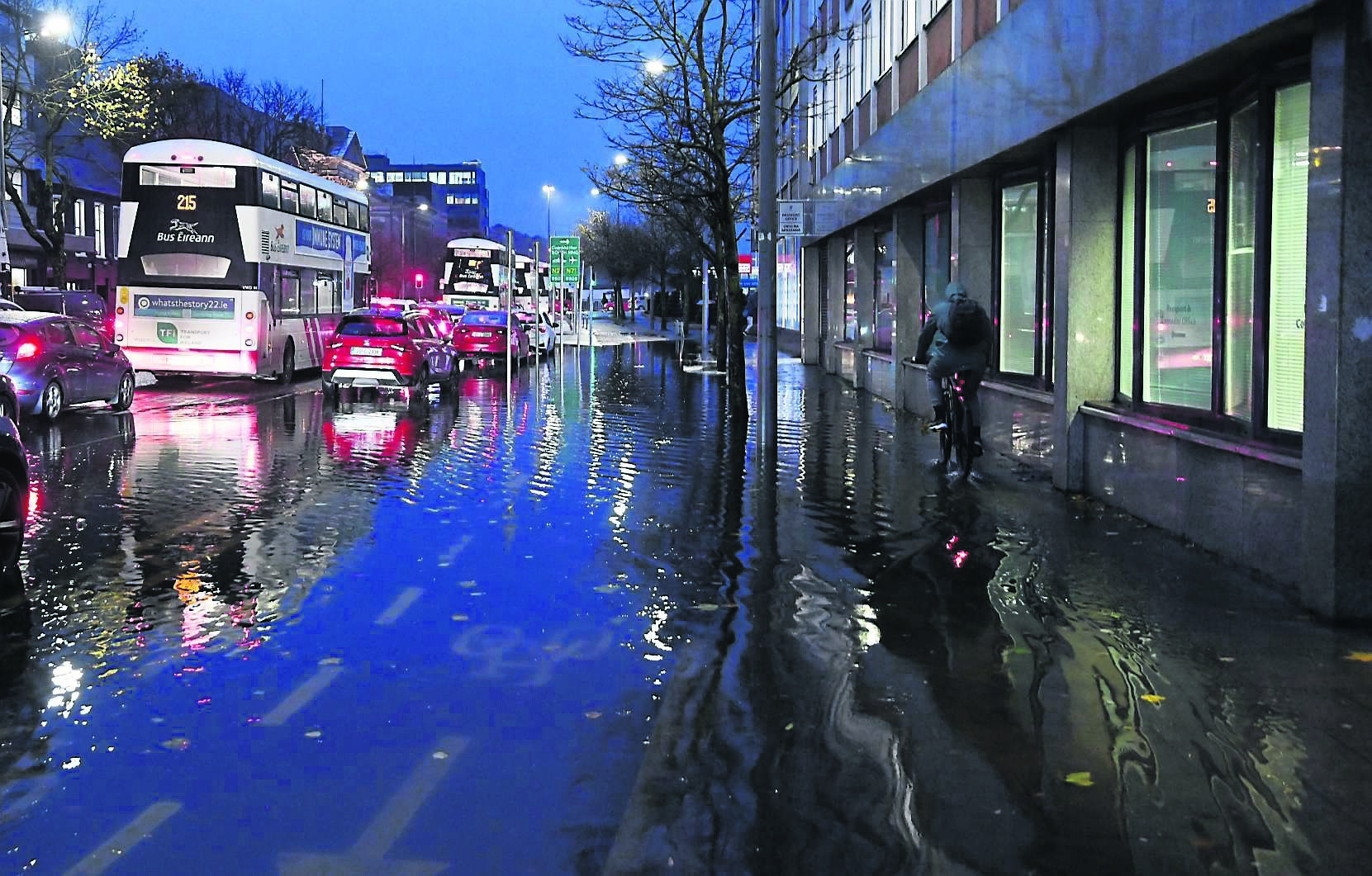
Tidal flooding hit Cork city yesterday at around 4.48pm and within a short space of time, all low-lying quay areas throughout the city were suffering from some degree of flooding. Picture Denis Minihane.
The human toll of climate change has been laid bare, with new figures showing 15,000 heat-related deaths were recorded in Europe this year – and that figure is expected to rise significantly.
Figures from the World Health Organization (WHO) reveal that 4,500 people died in Germany, 5,000 in Spain and Portugal, and more than 3,000 in the UK during the summer.
Data released last week show that Europe is warming faster than other areas of the planet.
As well as rising temperatures, severe droughts and more storms, increasing rain downpours and flooding are among what the UN has described as the "unequivocal signs of the unfolding climate emergency".
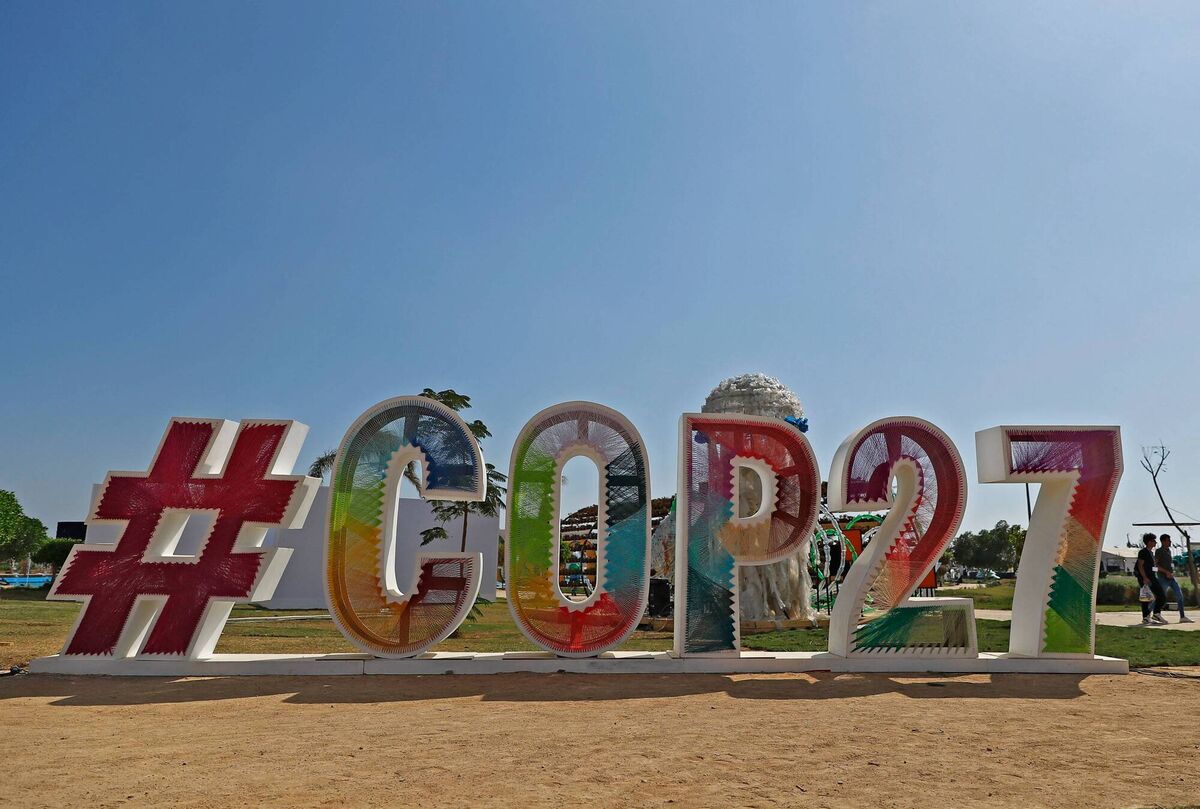
Ever increasing signs of climate change come as UN secretary-general Antonio Guterres blasted the lack of progress on climate change as he spoke at the Cop27 summit in Egypt.
The world is "on the highway to climate hell with our foot still on the accelerator", Mr Guterres told assembled world leaders in Sharm El-Sheikh.
"It is unacceptable, outrageous and self-defeating to put it on the back burner,” he said.
The WHO warned that the 15,000 deaths were only the beginning of the real story, with more countries still to report on excess deaths due to heat.
It cited France's statistics body showing that more than 11,000 people died between June and August this year compared with the same period in 2019, most likely due to the extreme heat in the summer.
The world’s population will reach eight billion by the middle of this month, the UN said.
Billions are expected to face yearly extreme weather hazards as global warming intensifies, with Kenyan president William Ruto telling Cop27 that millions of Africans are already experiencing the worst as a “daily experience”.
"Further delay will make us busy spectators as calamity wipes out lives and livelihoods,” Mr Ruto said.
Taoiseach Micheál Martin said a main aim for Ireland at Cop27 was to push for “tangible measures” to help vulnerable countries to stave off the worst of climate change effects, as well as speeding up emissions reduction.
He is to attend a meeting hosted by German chancellor Olaf Scholz this morning between the G7 countries – the world’s most advanced economies – and the V20, which is made up of the most vulnerable nations.
Mr Martin is set to speak to world leaders after 1pm today, with European Commission president Ursula von der Leyen also scheduled, and Ukrainian president Volodymyr Zelenskyy set to speak via video message.
University College Cork (UCC) professor Hannah Daly, one of Ireland’s foremost experts in climate change and energy transition, said Ireland needed to step up its efforts and obligations to vulnerable nations.
“Scotland and Denmark have been at the forefront so far, committing tens of millions of euros to climate justice and loss and damage funds. While this is a tiny drop in the ocean relative to what will be necessary, it demonstrates the value of small, developed countries in diplomacy and leadership, an arena in which Ireland should use its valuable influence,” she said.
At home, tidal flooding hit Cork city yesterday at around 4.48pm and within a short space of time, all low-lying quay areas throughout the city were suffering from some degree of flooding, especially around Morrison’s island in the city centre.
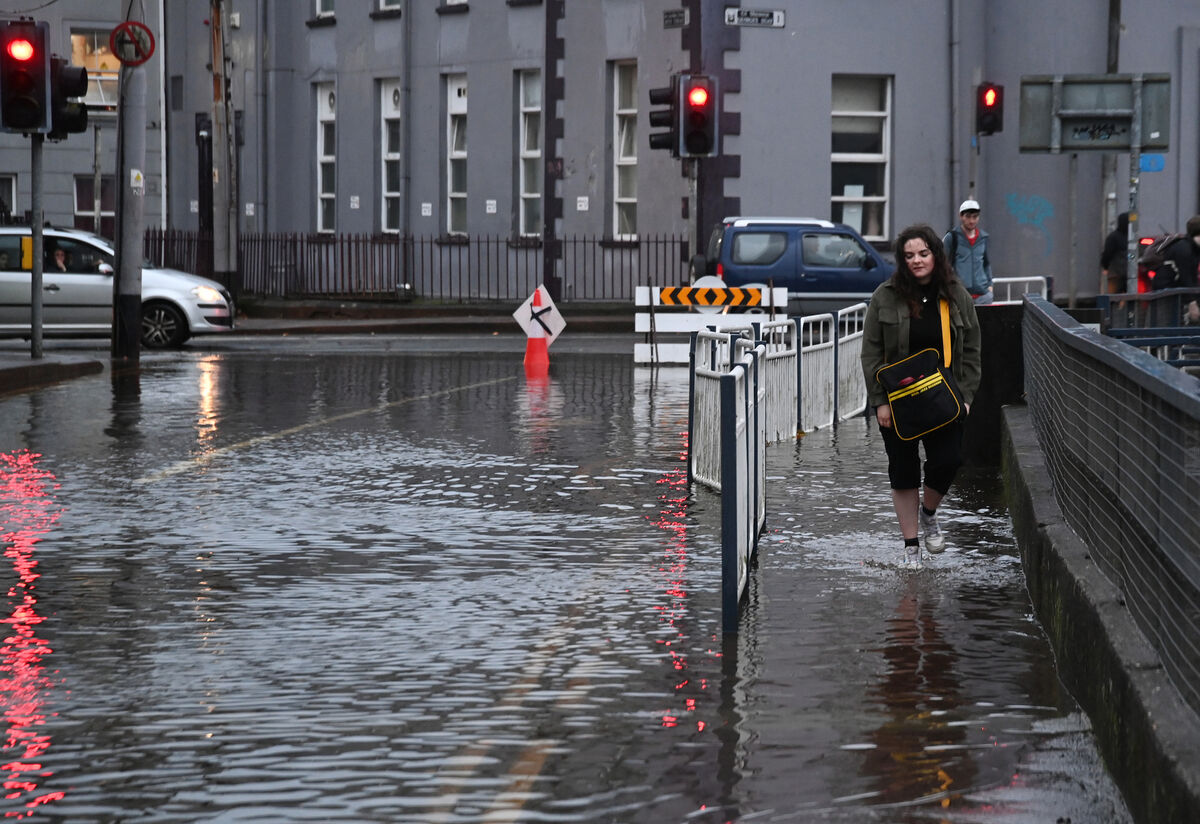
Before the waters subsided, traffic was slow-moving with streets such as South Terrace and Lavitt’s Quay down to single lane traffic.
The City Council’s Flood Assessment Team had warned yesterday evening’s high tide could cause widespread flooding in low-lying areas of Cork City, with associated impacts on traffic flow.
While the flooding largely subsided within an hour, there were a number of road closures and diversions as a result of the high tide.


CONNECT WITH US TODAY



Be the first to know the latest news and updates