Poultry farmers ordered to move flocks indoors amid avian flu threat
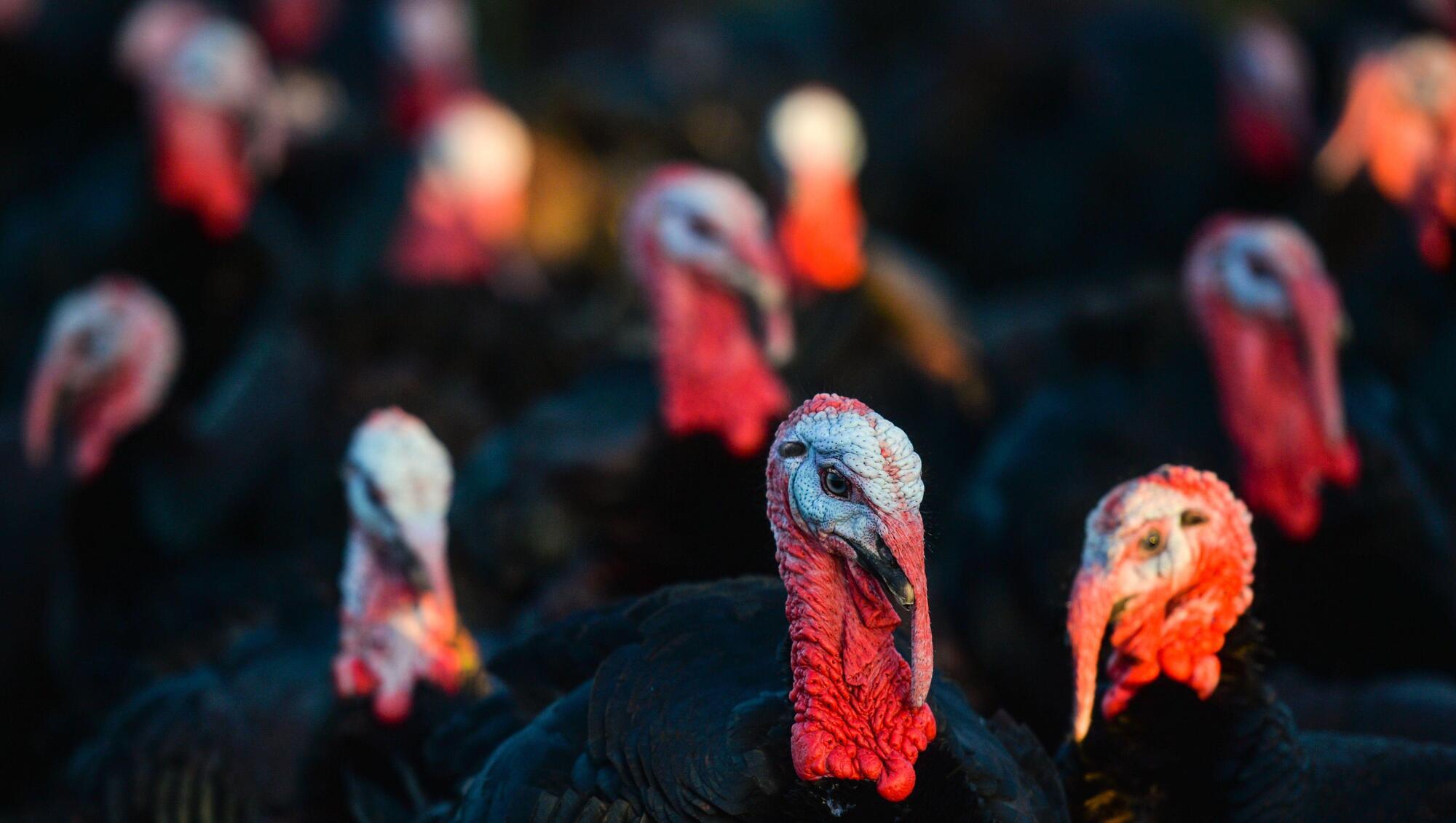
No outbreaks of avian flu have been confirmed in poultry flocks in Ireland since December 2021.

No outbreaks of avian flu have been confirmed in poultry flocks in Ireland since December 2021.

Poultry farmers are now required to keep flocks indoors in response to a case of avian flu being detected in Co Cavan.

The advice also applies to anyone with small numbers of poultry in their garden, it's been confirmed. 

The Department of Agriculture’s latest Avian Influenza Update from October 27 details how the highly pathogenic avian influenza (HPAI) subtype H5N1 was confirmed in a mute swan found in the county.

Agriculture, Food and the Marine Minister Charlie McConalogue announced this morning he is introducing regulations requiring flock keepers to confine all poultry and captive birds in a secure building to which wild birds, or other animals do not have access.

The regulations come into force on November 7, with the department stating the measure is being taken "against a background of the confirmation of disease in wild birds along the coast since July, increasing risk levels due to colder temperatures and shorter daylight hours as well as recent confirmation of disease in a wild bird inland".

This is the first case of the strain found in a wild bird in an inland area since April this year and, according to the department, “demonstrates that the virus is present in wild birds in an inland and poultry dense area of the country”.

Up to 75% of turkeys are produced in the Co Cavan/Co Monaghan region.

In addition, two outbreaks of the strain have been reported in captive bird flocks in coastal areas of counties Dublin and Wicklow where it had been confirmed previously in wild birds.

The Irish Farmers Association (IFA) has now issued a red alert to poultry producers, with their national poultry chairman warning the sector to be on high alert.

'Additional measure' to biosecurity

Speaking on RTÉ Radio 1 this lunchtime, Dr June Fanning, Head of National Disease Control Centre at the Department of Agriculture said that while this new measure is being brought into effect from Monday, it does not replace biosecurity regulations already in place.

"This is an additional measure, so housing is not an replacement or alternative to biosecurity. Stringent biosecurity is still key to protecting flocks but the risk increases as as the temperatures drop and daylight hours reduce, so the virus survives for longer in the environment," Dr Fanning explained.

She went on to describe how biosecurity measures include limiting how many people have contact with flocks, as well as ensuring to have dedicated clothing and footwear when entering poultry houses.

"The virus survives for a long time in faeces and in the environment. So it's to prevent and anyone walking the virus in on their footwear."

Dr Fanning added that these measures apply to anyone who keeps poultry, even "a small poultry flock of five or six birds in your back garden".

However, the virus does not affect small wild birds that would normally be found in Irish gardens, and said that households can continue to put out bird feeders.

She furthered that if the virus strain was detected in a larger poultry flock of over 50 birds, the flock would need to be culled.

Earlier today, Nigel Sweetman told RTÉ radio’s Morning Ireland that over the autumn there had been cases along the south coast from Waterford to Kerry, all of the same strain that has swept across Europe, Britain, and the US.

'If it gets into a house it's lights out'

“High vigilance is what's called for, we all operate to a very high level of biosecurity and I'd be calling on all poultry farmers to observe the utmost degree of security,” Mr Sweetman said.

He acknowledged that there was always a danger of wild birds coming in contact with free-range birds but highlighted how avian flu was highly contagious. 

“If it gets into a house it's lights out.” 

To date, 47 million birds in Europe and 48 million birds in the US have either died or been slaughtered because of avian influenza and the IFA wants the situation to be kept under review. 

The Irish Farmers Association has now issued a red alert to poultry producers.

Mr Sweetman said avian flu is is a big danger to free-range birds, adding that if an order to move poultry indoors is something that is needed, the IFA would welcome it.

Farmers need to be “extra, extra vigilant”, he added. They need to take all measures necessary to keep wild birds off their sites, “to adhere to the highest levels of bio security like the Ag centres already do, the whole case of access can be fatal for the poultry industry.”

Department advice

The department's advice is to “review and, where necessary, improve their biosecurity procedures on their premises to ensure that all appropriate measures are in place”.

Since the introduction of new regulations to limit the spread of avian flu in September, all flock owners are legally required to maintain best-practice biosecurity measures to mitigate the risk of introducing avian influenza into poultry and captive bird flocks.

“Flock owners should remain vigilant for any signs of disease in their flocks, and report any disease suspicion to their nearest Regional Veterinary Office,” said the department.

No outbreaks of avian flu have been confirmed in poultry flocks in Ireland since December 2021.

Members of the public have been reminded not to touch sick or dead wild birds, while dogs should be kept on a lead when walking in areas where sick or dead wild birds are present.

x

More in this section

Lunchtime News

Newsletter

Get a lunch briefing straight to your inbox at noon daily. Also be the first to know with our occasional Breaking News emails.

Cookie Policy Privacy Policy Brand Safety FAQ Help Contact Us Terms and Conditions

© Examiner Echo Group Limited