Endometriosis sufferer Lynne Ruane leads group of senators calling for greater care
Endometriosis sufferer Lynne Ruane leads group of senators calling for greater care

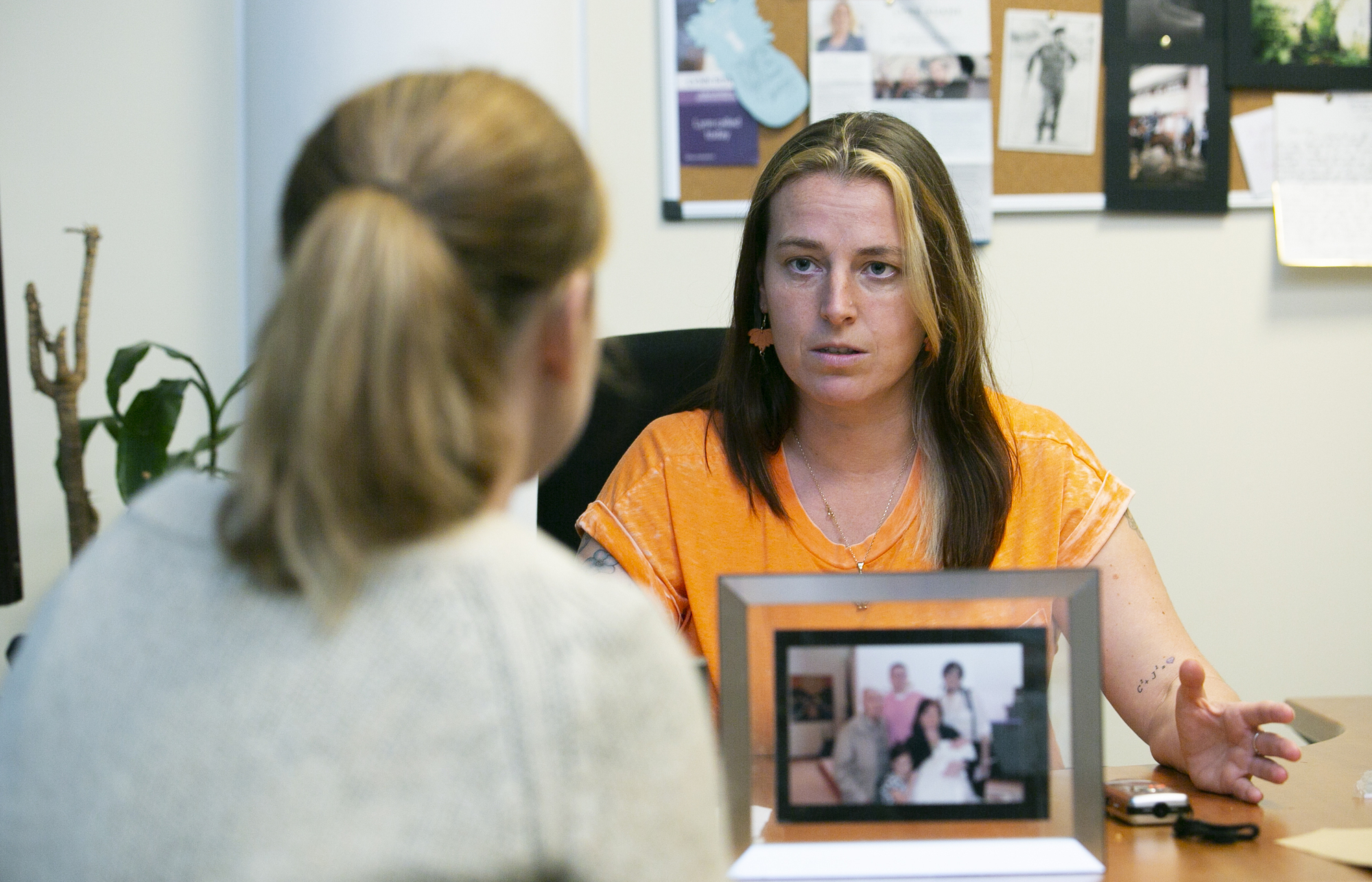
Senator Lynn Ruane asks why women cannot ask access treatment for the disease in a timely fashion. Picture: Gareth Chaney/ Collins Photos

Independent senator Lynn Ruane has revealed she has been living with endometriosis, and will join other members of the Senate in requesting the Oireachtas Health Committee examine the limited access to treatment in Ireland.

The group of senators will this week call for a forum for patients and medics to discuss why it can take up to nine years to get a diagnosis.

One in 10 may suffer 

The World Health Organisation has estimated one in 10 girls and women of reproductive age have endometriosis, saying it occurs when tissue similar to the lining of the uterus grows outside the uterus, causing pain and/or infertility.

At age 16, Ms Ruane was part of a group of volunteers that created a mosaic for the gynaecology department in Tallaght University Hospital, not knowing she already had endometriosis, and would spend many hours there.

Endometriosis was causing me extreme pain, being bed-bound for two or three days and then the pain would pass a little bit

“I was sitting there every month in the gynaecology department, looking at this big butterfly on the wall. I think a lot of women don’t actually recognise what they have," she said.

She counts herself as lucky because her gynaecologist noticed endometriosis early, during another treatment.

“I’ve had one surgery, three different keyhole surgeries in one sitting,” she said.

“And then the Mirena coil fitted. They’ve worked, although I still have symptoms of endometriosis in terms of I don’t have great bowel movements, sometimes I get ovary pain but it’s not at the severity it would have been.”

Ms Ruane, a mother of two, said: “I do have lots of scarring, my fallopian tube is bent from the disease.”

Attending an endometriosis event recently, she realised how many families are affected.

'Hit and miss' treatment 

“Treatment is really hit and miss for many,” she said. 

“If you have to have 17 surgeries, that’s really scary. Then I realised how vulnerable I am to it, that just because I’ve responded well so far doesn’t mean that my situation won’t change.”

She wants to know why women cannot access treatment quickly, adding: “There cannot be financial barriers to women accessing care or diagnosis.

“I remember when I first heard the word endometriosis, I would have been in my early 20s,” she said. 

There didn’t seem to be much awareness of it amongst my friends or even the women in my family.

“But when I started in politics, I remember other senators speaking about it. When my social groups changed, there seems to be a greater awareness of it.

“There is no research that I’m aware of that shows certain groups are less likely to be diagnosed with endometriosis because of their socio-economic status.

“But the likelihood is I could probably guess that that’s true. It translates into a lot of healthcare in terms of health equity, across the board, not just female healthcare.

“You see it with certain groups having less access, and less health literacy to be able to advocate for themselves.”

More in this section

Lunchtime News

Newsletter

Keep up with stories of the day with our lunchtime news wrap and important breaking news alerts.

Cookie Policy Privacy Policy Brand Safety FAQ Help Contact Us Terms and Conditions

© Examiner Echo Group Limited