High alcohol intake linked with 57% increase in stroke
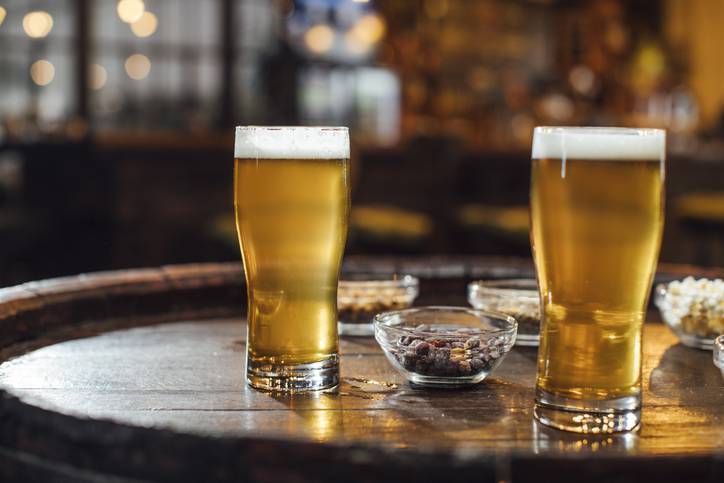
High alcohol intake — more than 14 drinks per week for females, more than 21 for males — was linked with a 57% increase in stroke.
A new study has found alcohol consumption can result in increased odds of stroke, with beer consumption linked with a 21% increase in risk of stroke.
The global study looked at the key risk factors for stroke in different regions of the world focusing on the role of alcohol intake and stroke risk.
Data shows stroke is a leading cause of death and disability across the globe.
Every year in Ireland, about 7,500 people have a stroke and about 2,000 of those people die. An estimated 30,000 people in Ireland are living with disability as a result of stroke.
The study, co-led by University of Galway, found while there was no link between low-level drinking and stroke, high and moderate consumption was associated with increased odds of stroke.
Stroke can occur due to a clot (ischaemic) or bleeding (intracerebral haemorrhage).
Heavy episodic alcohol intake, commonly known as binge drinking, was linked with a 39% increase in all strokes — 29% ischaemic stroke and 76% intracerebral haemorrhage.
This form of drinking is defined as more than five drinks in one day at least once a month.
High alcohol intake — more than 14 drinks per week for females, more than 21 for males — was linked with a 57% increase in stroke.
The study, INTERSTROKE, also included an analysis of people who had previously been drinkers but had stopped. The study found they were not at increased risk of stroke.
Those who currently drink were linked with a 14% increase in odds of all stroke. It showed a 50% increase in the odds of intracerebral haemorrhage but no increase in the risk of ischaemic stroke.
INTERSTROKE studied people from a range of ethnic backgrounds in 27 countries, including Ireland and Britain.
Consultant stroke physician at Galway University Hospital Professor Martin O’Donnell said previous research was unclear about whether the association of alcohol intake with stroke varies by region and population.
"The effects of alcohol intake are complex as they are linked with socioeconomic factors such as education and many lifestyle factors including smoking, diet and physical activity," said Professor Andrew Smyth, professor of clinical epidemiology at University of Galway.
The research also looked at the differences between the types of alcohol consumed.
It found predominant beer consumption to be linked with a 21% increase in risk of stroke. This was significantly higher for intracerebral haemorrhage at 73%.
Predominant wine consumption was not linked with risk of stroke — there was no increase or decrease.
"This may reflect a difference in risk by type of alcohol, or may reflect differences in the social context of consumption patterns," said Prof Smyth.
Previous research on the subject was mostly completed in high-income countries with limited cultural diversity, said Professor Michelle Canavan, established professor of older adult health and consultant geriatrician.
The global INTERSTROKE study took a different approach by including participants from high-, middle- and lower-income countries with varying levels of education and cardiovascular risk profiles.
“Worldwide, there are differences in alcohol intake by gender, age, social class, education and occupation, as well as differences in type of alcohol consumed and the pattern of drinking," she said.
Current drinking was linked with reduced risk in Western Europe and North America but increased risk in India and South America.
The greatest increases in stroke risk were seen for binge drinkers in South America, Africa and India and with those who have high levels of alcohol consumption in China and South East Asia.
Targeted interventions to manage high intake at population level may help to reduce stroke risk, particularly among males in these regions, who are more likely to binge drink.
The INTERSTROKE study has been published in , a highly-cited neurology journal.


CONNECT WITH US TODAY



Be the first to know the latest news and updates