Discussions take place over impact of housing Ukrainians in hotels on hospitality sector
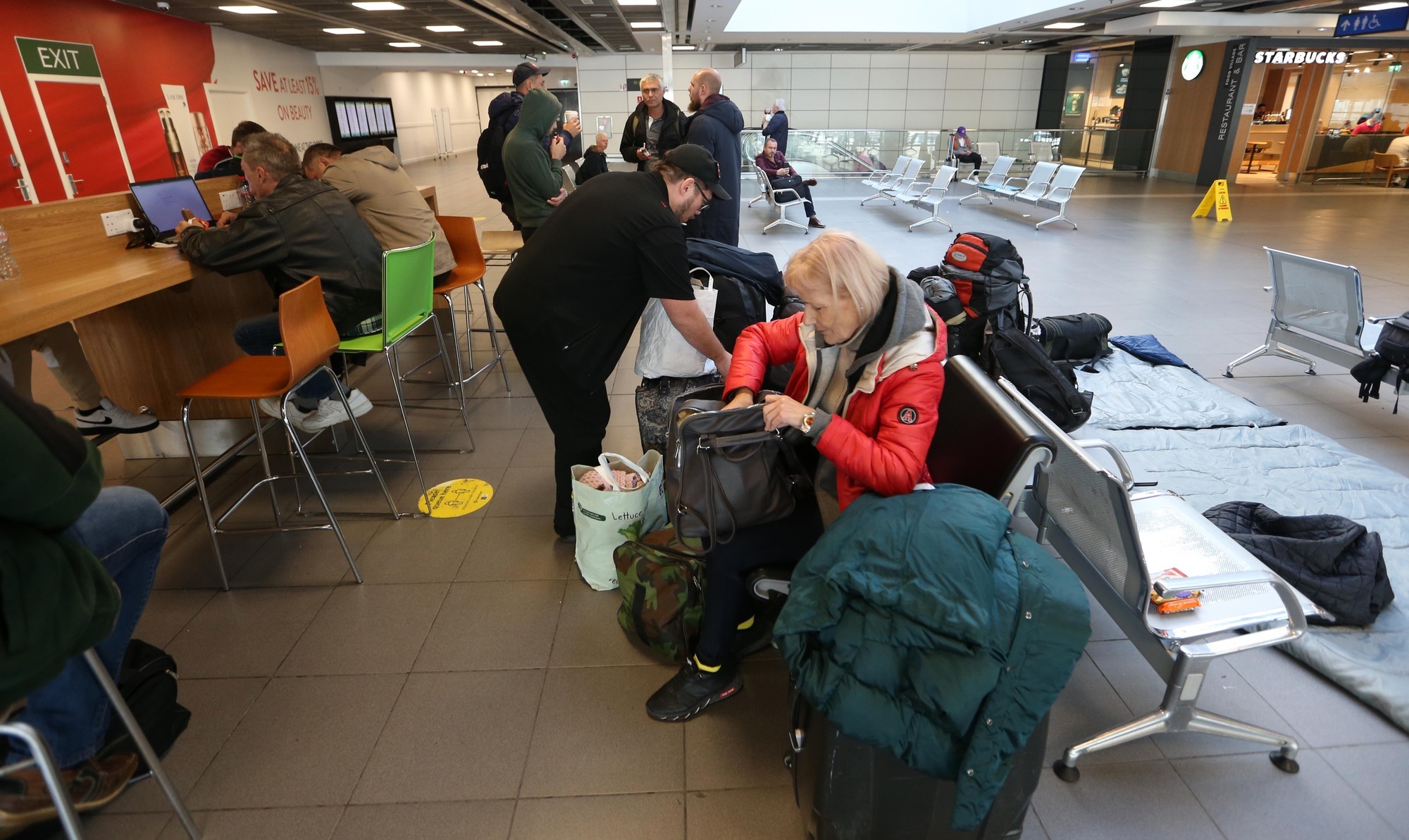
More than 60 Ukrainian refugees spent the night at the temporary accommodation facility on the campus at Dublin Airport. Picture: Sasko Lazarov/RollingNews.ie
Concern is growing within government that the policy of housing tens of thousands of Ukrainian refugees in hotels will impact tourism and the hospitality sector early next year.
Hotels in Dublin, Cork, and Kerry alone are providing 11,565 beds to Ukrainians, according to figures from the International Protection Accommodation Services.

A spokesman for the Department of Integration confirmed there are 39,000 refugees currently in hotel accommodation across the country.
State contracts with 360 of the 500 hotels that are accommodating Ukrainians are due to expire by the end of the year, though the majority are expected to renew those contracts.
As the Government struggles to accommodate the thousands of Ukrainians forced to flee the war, two senior Cabinet sources confirmed discussions have taken place about the impact on pubs and restaurants, particularly in tourist hotspots, in the spring and summer of next year unless other suitable accommodation is found.
It’s understood the matter has been raised at the Cabinet sub-committee on Ukraine, attended by senior ministers.
A Government source said: “The impact will be more on the number of tourists coming to Ireland rather than revenue. But pubs, restaurants, and attractions are likely to take a hit.”
However, the source warned if hotels were not used in the medium-term to accommodate refugees, it would result in Ukrainians “ending up on the streets”.
A second senior source said although there has not been an official presentation on the impact the policy of using hotel beds will have on tourism, “it has absolutely been discussed and we’re aware of it.”
They said it will be an issue for some towns and villages given the number of beds taken out of circulation.
Tanáiste Leo Varadkar last night told the Fine Gael parliamentary party meeting that the Government will not turn any refugees away, but the welfare and accommodation supports will “remain a real constraint.”
More than 60 Ukrainian refugees spent the night at the temporary accommodation facility at Dublin Airport on Wednesday night before being transported to the Citywest facility the following morning.
Mr Varadkar said rapid build housing was needed on suitable sites to house Ukrainians. The meeting was also told that these modular homes were needed to tackle the wider housing crisis.
However, such developments could still take some months to be ready, including one in Mahon in Cork, which is not expected to house refugees for another three to four months.
Government chief whip Brendan Griffin and junior minister Patrick O’Donovan both told the parliamentary party that countries such as France and the US could be making more of an effort to help with the accommodation crisis.
Sources have said there is a “lack of reality” with some commentary regarding Ukrainians in recent days and “the facts are this is a war.”
The Cabinet source said: “All we can do is manage as best as we can in Ireland because there is nothing we can do, we can’t have a lack of compassion.”
Mr Varadkar told colleagues he wanted to see the establishment of a multi-million euro community fund for areas which have welcomed a lot of refugees to improve public facilities such as schools and transport.
Cabinet is expected to hold an incorporeal meeting tomorrow to sign off on a number of measures to tackle the crisis including increasing the monthly payment to households who offer up a room in their home to help with the shortage.
The Government is looking at using army barracks in Westmeath, Kerry, Wicklow, and other locations to provide emergency accommodation to Ukrainians at short notice.
Officials are still working on plans which could see Ukrainians make a financial contribution towards food while staying at a hotel “after a period of time,” a source said.
In Ukraine, government officials have advised refugees living abroad not to return until the spring amid mounting fears over whether the country’s damaged energy infrastructure can cope with demand this winter.
Sustained missile and drone attacks have knocked out about a third of the country’s energy supply with the fighting expected to intensify as winter approaches.
Russian leader Vladimir Putin yesterday oversaw the annual exercises by Russia's strategic nuclear forces at a time of heightened tensions with the West over his eight-month-long war in Ukraine.