HSE spends €7m on healthcare outside of State in first six months of this year
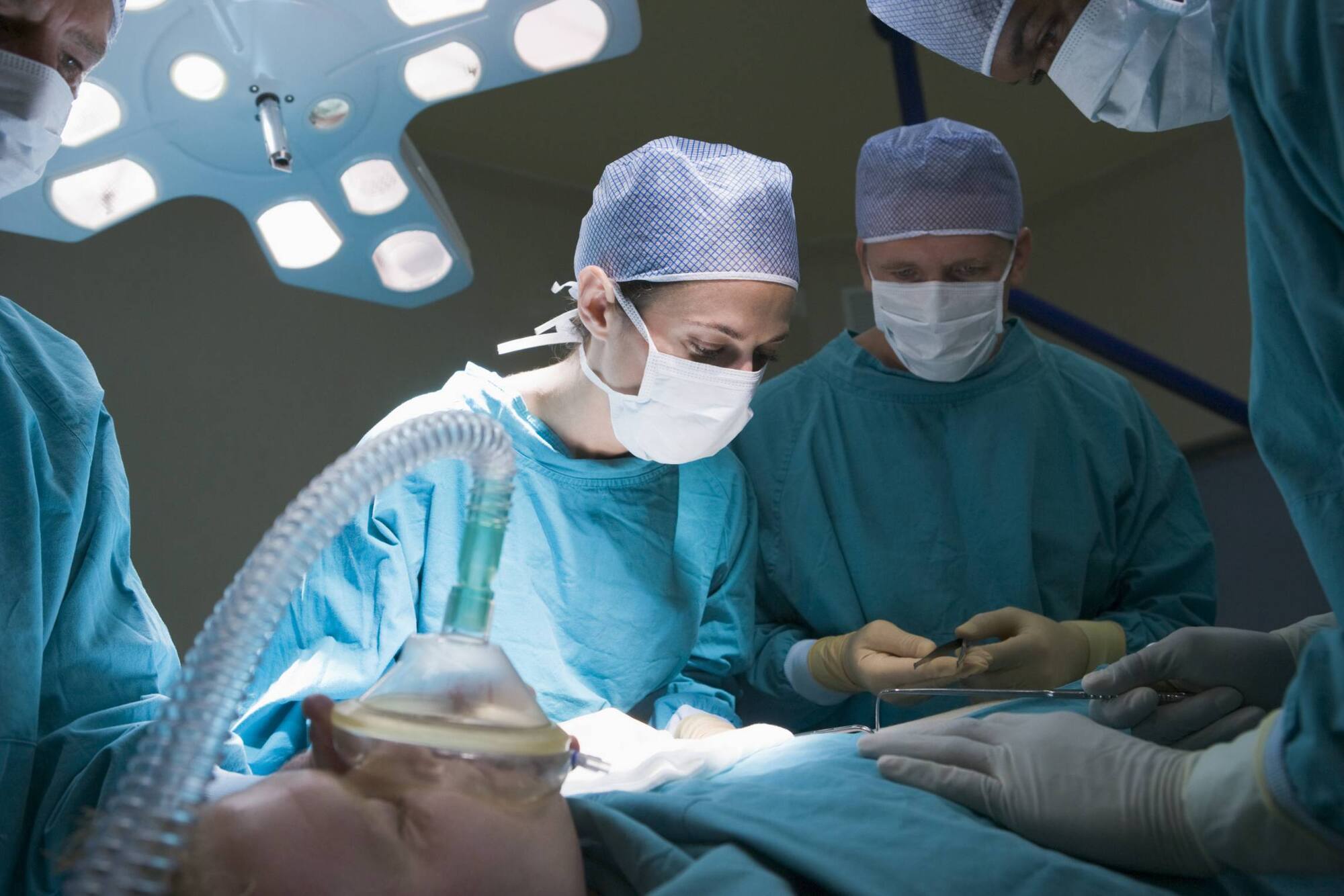
The HSE is reimbursing patients who travel to other EU countries or to the North for procedures such as cataract operations and hip replacement. Stock picture
The HSE spent around €7m in the first six months of 2022 reimbursing patients who received healthcare outside of the State.
Information obtained under the Freedom of Information Act revealed that the HSE spent €4.9m on the Northern Ireland planned healthcare scheme (NIPHS) in the first half of this year, along with just over €2m on the EU Cross Border Healthcare Directive in the same period.
The directive allows people to access healthcare in another European state and apply to be refunded the cost.
The NIPHS allows people to access private healthcare in the North and apply to be refunded the cost.
HSE documents show that almost 2,000 outpatient and day case appointments were reimbursed under the scheme between January and the end of June this year, along with 280 inpatient procedures.
Almost 2,500 outpatient and day case appointments, along with 380 inpatient procedures, were reimbursed under the NIPHS in the same period.
Cork Sinn Féin TD Thomas Gould said a Government failure to invest properly in healthcare has forced people to seek treatment outside of the State.
Mr Gould said reliance on both the cross-border directive and NIPHS illustrates the need for an all-island approach to healthcare.
“Unfortunately, without the cross-border initiative, a lot of people wouldn’t be able to get the treatment they need,” said Mr Gould.
“The Government has failed to invest in healthcare in this State and because of this, people can’t access treatment they need in their local hospital.
“Older people are waiting months, if not years, for vital procedures that can have huge impacts on their quality of life.
“Nobody should be left waiting for cataracts or hip surgeries.
“Their quality of life deteriorates because they don’t have the money and the waiting lists are huge,” said Mr Gould.
“If anything, the reliance on the cross-border initiative highlights the need for an all-island approach to healthcare.”
A spokesperson for the Department of Health said the department acknowledges that waiting lists for elective procedures nationwide are “unacceptably long”.
“While significant work continues to positively impact on waiting times and improve pathways to elective care, acute hospitals are still impacted by operational challenges arising from the Covid-19 pandemic,” said the spokesperson.
“In February this year, the minister for health launched the 2022 waiting list action plan to address this problem.
“Through this plan, €350m is being allocated to the HSE and the National Treatment Purchase Fund to provide additional public and private activity to immediately reduce scheduled care waiting lists, as well as bringing forward much needed longer-term reforms.
“For 2023, additional once-off funding of €225m has been provided within an overall budgetary provision of €443m to tackle waiting lists.
“This includes €123m in funding for delivery of the HSE Waiting List Action Plan.”
Other actions aim to streamline and reconfigure care pathways, and €240m, including €100m of existing funding, allocated to the NTPF to procure additional capacity to reduce waiting lists.