Ireland among the worst in the EU for recycling plastic
Ireland among the worst in the EU for recycling plastic

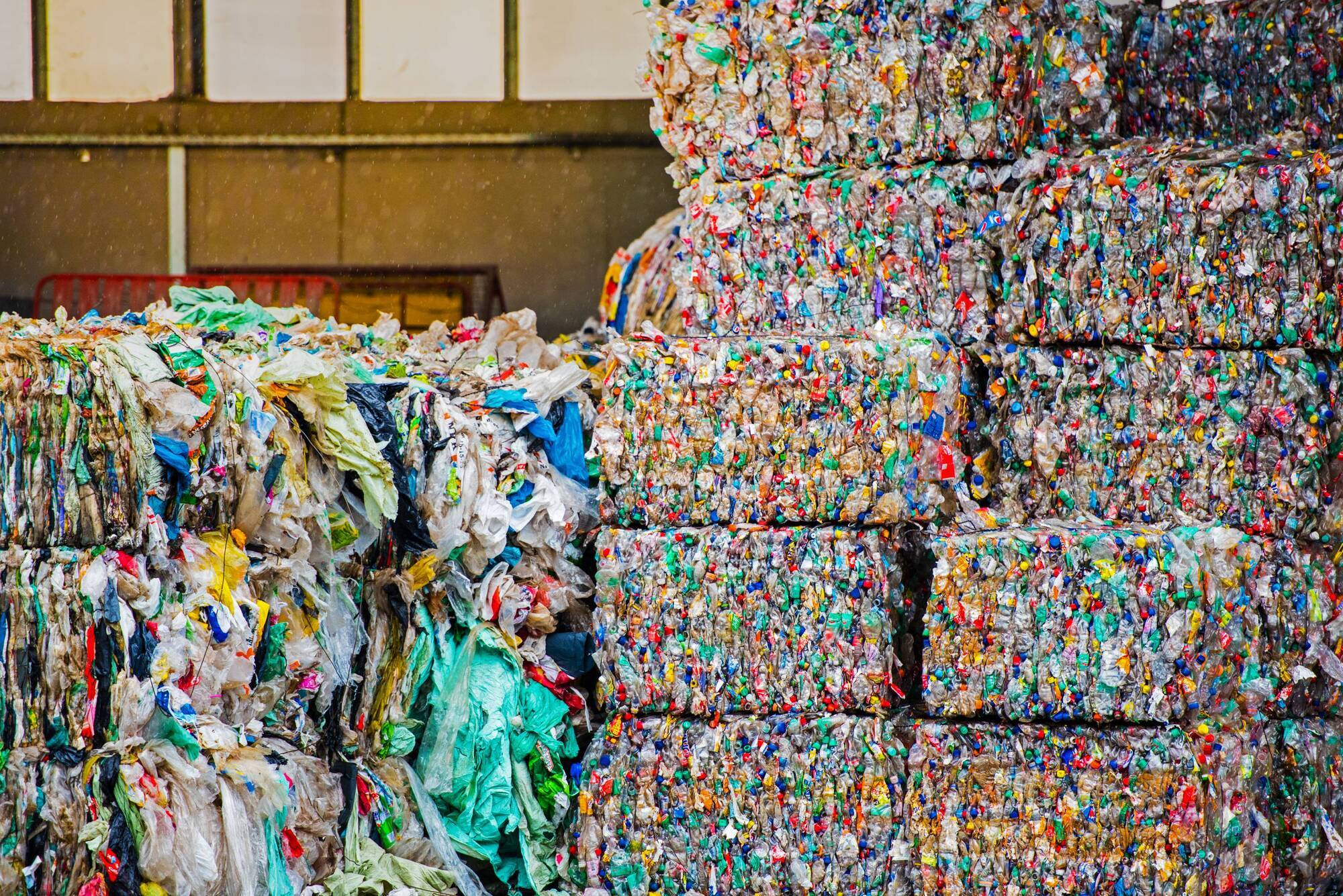
According to the Organisation for Economic Co-operation and Development, or OECD, plastics have a significant carbon footprint, emitting 3.4% of global greenhouse gas emissions. File pictures

Ireland is near the bottom of EU nations when it comes to recycling plastic, which remains pitifully low across the bloc compared to what is generated.

Despite the threat to biodiversity, marine life, and the scale of greenhouse gas emissions generated by plastic, the amount generated per person across the EU has grown in the last decade.

The latest figures from the European Commission's data analysis wing Eurostat show that each person living in the EU generated 34.6kg of plastic packaging waste on average, but a mere 13kg is recycled.

Ireland fares worse than most other nations, with less than a third recycled. Just under 30% of plastic is recycled in Ireland, with only Hungary, Denmark, France, and Malta faring worse. Only a tenth of Malta's plastic is recycled, the data show.

In contrast, the Netherland tops the chart for recycled plastic across the EU, but the levels are just 57% for the best nation, indicating the scale of recycling challenges. Slovakia, Lithuania, Spain, Bulgaria, and Cyprus round out the best of the rest, all hitting 50% or better. The average rate in the EU overall is 38%, Eurostat said.

Between 2010 and 2020, the volume of plastic packaging waste generated per inhabitant increased by 23% or 6.5kg, according to the data. 

"The recycled volume of plastic packaging waste increased over the same period, by 32% or 3.2kg. Despite this improvement, the amount of plastic packaging that wasn’t recycled increased by 3.4kg per inhabitant since 2010 due to the greater increase in the absolute amount of plastic packaging waste generated," Eurostat said.

According to the Organisation for Economic Co-operation and Development, or OECD, plastics have a significant carbon footprint, emitting 3.4% of global greenhouse gas emissions.

"In 2019, plastics generated 1.8 billion tonnes of greenhouse gas emissions – 3.4% of global emissions – with 90% of these emissions coming from their production and conversion from fossil fuels. By 2060, emissions from the plastics lifecycle are set to more than double, reaching 4.3 billion tonnes of emissions," the OECD says.

In a report earlier this year, the OECD said that the world is producing twice as much plastic waste as two decades ago, with the bulk of it ending up in landfill, incinerated or leaking into the environment, and only 9% successfully recycled.

Bans and taxes on single-use plastics exist in more than 120 countries but are not doing enough to reduce overall pollution, the OECD said. Most regulations are limited to items like plastic bags, which make up a tiny share of plastic waste, and are more effective at reducing littering than curbing plastics consumption, it added.

Other packaging waste

When it comes to packaging waste overall, paper and cardboard trumps plastic and other materials, Eurostat's data show.

In 2020, packaging waste generated was estimated at just over 177kg per person in the EU. This quantity varied between 66.0 kg per inhabitant in Croatia and 225.8 kg per inhabitant in Germany. 

Paper and cardboard accounts for more than 41%, plastic for 19.5%, glass for just over 19%, wood for 15%, and metal for 5%.

There was a 20% rise in the total quantity of packaging materials generated from 2009 to 2020, or more than 13 million tonnes.

CLIMATE & SUSTAINABILITY HUB

More in this section

Lunchtime News

Newsletter

Keep up with stories of the day with our lunchtime news wrap and important breaking news alerts.

Cookie Policy Privacy Policy Brand Safety FAQ Help Contact Us Terms and Conditions

© Examiner Echo Group Limited