Almost 600 poisonings involving cosmetics were recorded last year
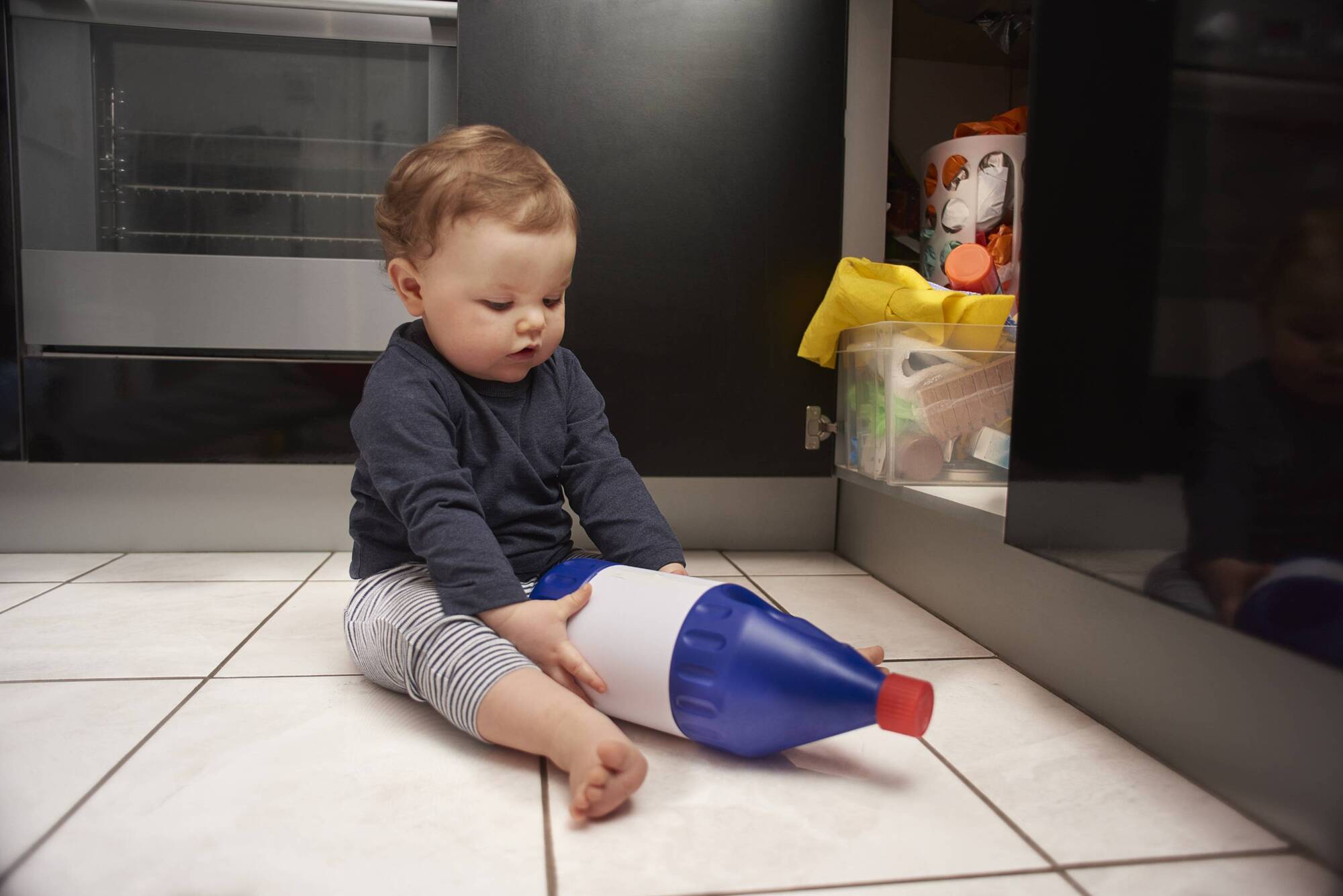
By far the highest number of cases was in the age group between one- and four-year-olds, when babies and toddlers start moving around and get their hands on things they are not supposed to.

By far the highest number of cases was in the age group between one- and four-year-olds, when babies and toddlers start moving around and get their hands on things they are not supposed to.

More than 11,000 suspected poisonings were reported last year, including 37 involving mushrooms and other fungi, and 588 cases involving cosmetics.

Data from the National Poisons Information Centre (NPIC) reveals 687 cases related to infants aged up to 12 months, with another 4,614 cases involving one- to four-year-olds.

While most calls originated from medical facilities or members of the public, there were also 14 enquiries from prisons, 10 from dental practices, and 10 from members of the press.

NPIC said of the calls it received, 6,954 cases involved “accidental” ingestion of a substance that might have been poisonous.

There were another 50 cases of adverse reactions, 171 involving recreational abuse of prescription or illegal drugs, and 1,923 relating to what were described as “therapeutic error”.

Another 1,414 cases were thought to have been “intentional”, according to the figures.

By far the highest number of cases was in the age group between one- and four-year-olds, when babies and toddlers start moving around and get their hands on things they are not supposed to.

There were also 486 cases involving over-70s, with a small majority of cases in all age groups involving females — or about 50.7% of the total — rather than males.

Poisoning of animals

Not all cases involved humans either, with 92 calls about poisoning of animals including domestic pets or livestock, according to data released under FOI.

The months with the highest incidence of suspected poisonings were May, June, July, and September, when more than 1,000 cases were reported in each month.

Lower rates were reported during the winter, with just 840 calls in each of January and November, and a yearly low of 752 in December.

The largest number of calls related to suspected poisonings which took place in a home environment with 9,985 recorded as “home/domestic”.

There were also 13 cases in GP surgeries, 53 in agricultural workplaces, 239 in nursing or care homes, 73 in schools, and 116 in a “public area”.

The highest number of cases involved drugs, either prescription or illegal, with 8,877 reports about potential poisoning.

There were also 870 incidents involving plants and 218 described as “agricultural”. The NPIC said the substances used in suspected poisoning incidents were sometimes recorded under multiple categories.

An information note said: “Case records … are from self-reported calls. They reflect only the information collected when the public or healthcare professionals report an actual or potential exposure to a substance, or request information on the treatment of poisoning.

“Exposures do not necessarily represent a poisoning or overdose. The NPIC sometimes receives more than one call about the same patient so there may be multiple case records for one patient. One call may involve multiple products or substances, so the number of products is greater than the number of calls.”

More in this section

Lunchtime News

Newsletter

Get a lunch briefing straight to your inbox at noon daily. Also be the first to know with our occasional Breaking News emails.

Cookie Policy Privacy Policy Brand Safety FAQ Help Contact Us Terms and Conditions

© Examiner Echo Group Limited