Staffing crisis leaves long Covid patients waiting five months to be seen at clinics
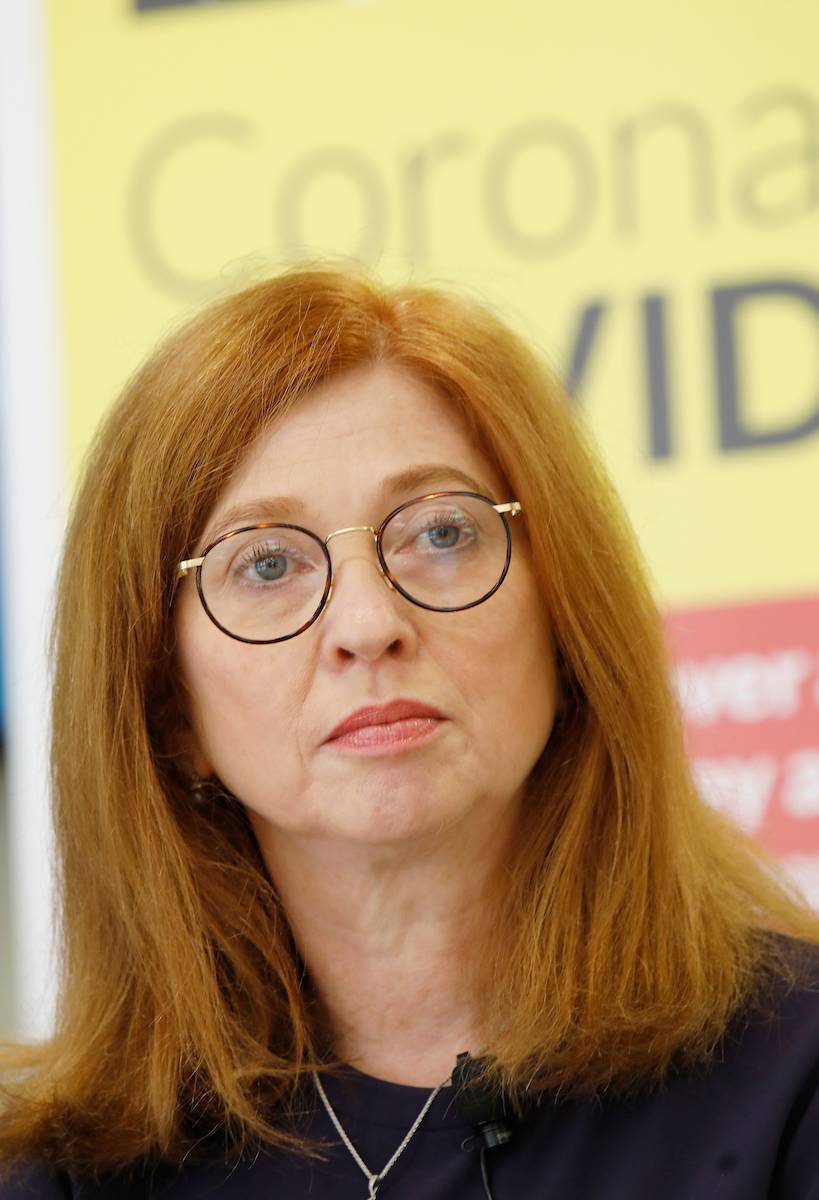
Dr Siobhan Ni Bhriain also confirmed children are not being sent to the clinics, instead parents are directed to their GP with the option of referral to paediatricians.
People with long Covid can wait up to five months to be seen at a dedicated clinic, and none of the six clinics are fully staffed, the Oireachtas Health Committee heard on Wednesday.
It is also not yet known how many people here have suffered long Covid, with one senior doctor telling the committee he is still seeing some people who first became ill in March or April 2020.

The six clinics are located in Cork University Hospital, University Hospital Limerick, Galway University Hospital, as well as three Dublin hospitals.
However, national clinical director for integrated care, Siobhan Ni Bhriain, said recruitment has been slow with the situation in Limerick being “particularly challenging”.
“Unfortunately, the waiting list is up to five months for some of those clinics and that is dependant on the fact we are recruiting,” she told Social Democrats TD Roisin Shortall. Some hospitals also offer post-acute Covid clinics, for patients immediately after infection, and she said there are also waiting lists for these.
The HSE is planning an epidemiological survey to assess how many people are affected.
“Published reports indicate that approximately 10% to 20% of Covid-19 patients experience lingering symptoms for weeks to months following acute SARsCoV-2 infection,” she said.
In some cases, patients are seen through infectious diseases clinics, the committee heard. Infectious diseases consultant at St James Hospital, Dr Ciaran Bannan, said chronic fatigue is very much the main symptom they see.
“That is the number one symptom that we see, it fluctuates as well, which makes it difficult,” he said, adding people can feel they were “hit by a train” interspersed with periods of apparent recovery. He described patients with brain fog who struggle to find common words, and said a high proportion have neurological symptoms.
Dr Ni Bhriain also confirmed children are not being sent to the clinics, instead parents are directed to their GP with the option of referral to paediatricians. She will meet next week with Professor Jack Lambert from the Mater Hospital who has raised serious concerns about supports for patients with cognitive symptoms.
The committee also heard updates on efforts to tackle monkeypox with a vaccination campaign set to roll out from Monday through 11 vaccination centres, including in Cork.
Senator Jerry Buttimer was critical of the delay in starting this, noting the disease was declared a global emergency in July. National Crisis Management Team Lead Ciaran Browne said there are obstacles around supply, but he could not say why some EU countries started over the summer.
The HSE has estimated up to 13,000 people could benefit from this vaccine, however they currently have just over 2,000 vials. Each vial can give up to five doses, with each person requiring two doses. He said they hope to vaccinate 6,000 people before March, assuming a further delivery of vaccines arrives shortly.
To date, there have been 194 cases identified here, 192 men and two female with 19 hospitalised including people who only needed isolation spaces. There is now a separate community isolation centre.
Medical Director and Clinical Lead of the Sexual Health & Crisis Pregnancy Programme, Professor Fiona Lyons, said she has raised concerns around financial support for people in isolation with the Department of Health, in response to questioning on this from Green Party TD Neasa Hourigan.
The World Health Organisation said this week 71,204 cases have been reported globally, including 26 deaths.