Renewable energy production must double by 2030, warns WMO
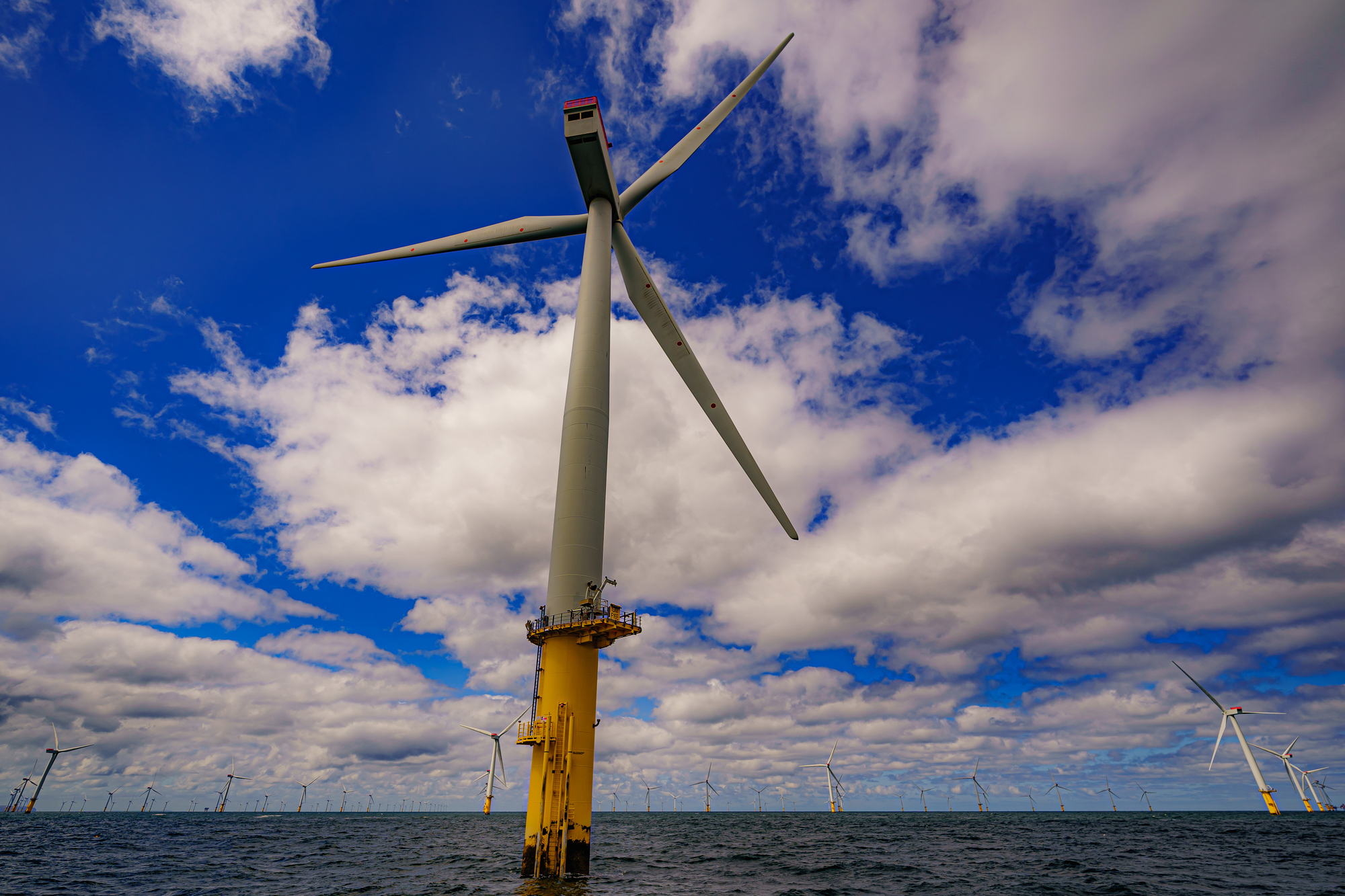
RWE's Gwynt y Mor, the world's 2nd largest offshore wind farm located eight miles offshore in Liverpool Bay, off the coast of North Wales. Picture: PA
Renewable energy has to double by 2030, or the world risks more power outages and current energy systems rupturing, a major new report has warned.
The World Meteorological Organization (WMO) State of Climate Services Annual Report said renewable energy produced by various nations is currently less than half of what is needed to reach the Paris Agreement's long-term goal of global temperature stabilisation.
The 1.5C figure in the landmark 2015 Paris Agreement refers to the limit of warming compared to the pre-industrial age that the world must adhere to in order to avoid catastrophic climate change , scientists have repeatedly said.
The WMO report said the world requires 7.1 terawatts (TW) of clean energy capacity to be installed by 2030, but would miss the target by a "wide margin" as it stands.
Decarbonisation in Africa, South America, and Asia remain particularly weak, it said, despite large swathes of those continents being the most vulnerable to the ravages of climate change and extreme weather.
It said that Africa had the potential to be a boon for renewable energy in the future, but that currently only 2% of lean energy investment in the last two decades was made in the continent.
"Climate change directly affects fuel supply, energy production, as well as the physical resilience of current and future energy infrastructure," the WMO stated.
The impact of more frequent and intense extreme weather, water, and climate events is already clear, it added.
"For example, in January 2022, massive power outages caused by a historic heatwave in Buenos Aires, Argentina, affected around 700,000 people," it stated.
"In November 2020, freezing rain coated power lines in the far east of the Russian Federation, leaving hundreds of thousands of homes without electricity for several days."
Time is running out for meaningful change, WMO secretary-general Prof Petteri Taalas said.
"The energy sector is the source of around three-quarters of global greenhouse gas emissions," he said.
"Switching to clean forms of energy generation, such as solar, wind, and hydropower — and improving energy efficiency — is vital if we are to thrive in the 21st century.
"Net zero by 2050 is the aim. But we will only get there if we double the supply of low-emissions electricity within the next eight years.
International Energy Agency (IEA) executive director Dr Fatih Birol said "now is the time to accelerate the transition to a renewable energy future", but warned that "anything short of radical and immediate action will ultimately eliminate the chance of staying on the 1.5C path".
CLIMATE & SUSTAINABILITY HUB
CONNECT WITH US TODAY



Be the first to know the latest news and updates