EU to spend €170m on new planes and helicopters to fight raging forest fires
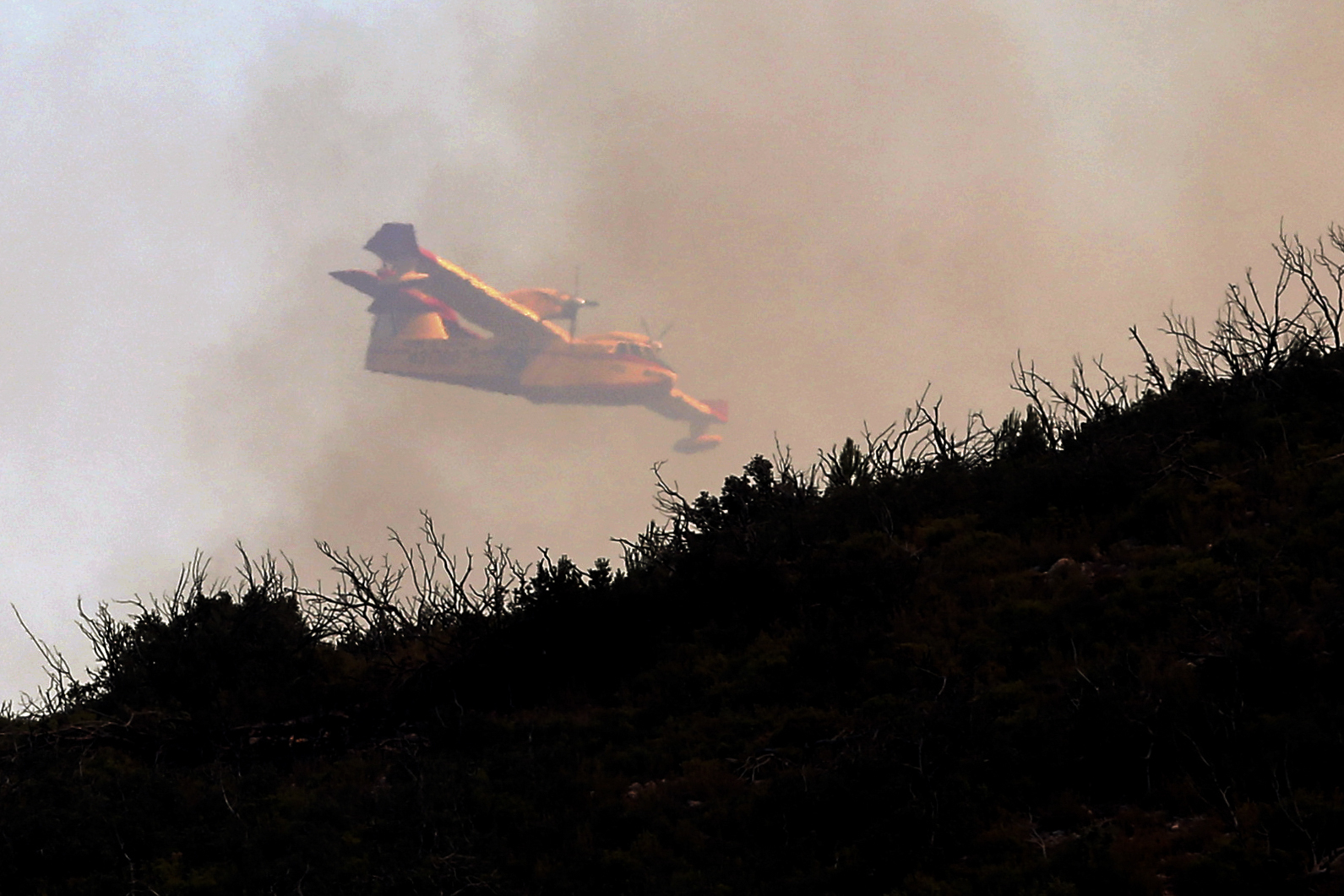
A firefighting airplane flies over a wildfire near Alcublas, eastern Spain in August. The summer season saw the EU's Emergency Response Coordination Centre (ERCC) receive 11 requests for assistance for forest fires, while 33 planes and eight helicopters were deployed across Europe. Photo: AP/Alberto Saiz
The unenviable record-breaking wildfire season this summer in Europe has prompted the EU to bolster its defences with a €170m package including new planes, helicopters, and firefighters.
Repeated heatwaves across the continent throughout the summer, coupled with drought conditions, led to the scarring of large tranches of land in the likes of France and Portugal. According to the European Commission, 2022 has broken previous records.
"Wildfires in the EU are increasing in scope, frequency, and intensity. By October 1, the data for 2022 reveal a 30% increase in the burnt area over the previous worst year recorded (2017) and a more than 170% increase over the average burnt area since EU-level recording started in 2006," the Commission said.
The summer season saw the EU's Emergency Response Coordination Centre (ERCC) receive 11 requests for assistance for forest fires, while 33 planes and eight helicopters were deployed across Europe via the EU Civil Protection Mechanism, which were joined by over 350 firefighters on the ground, the Commission said.
A new €170m package will reinforce its rescEU ground and aerial assets starting from the summer of 2023, it added.
"The rescEU transitional fleet would therefore have a total of 22 planes, four helicopters as well as more pre-positioned ground teams. As from 2025, the fleet would be further reinforced through an accelerated procurement of airplanes and helicopters," it said.
Last month, it was revealed that wildfires throughout Europe during the summer led to the highest emissions for 15 years.
The EU's Copernicus Atmosphere Monitoring Service (Cams) found August's heatwave combined with prolonged dry conditions across the western part of mainland Europe "resulted in increased wildfire activity, intensity and persistence".
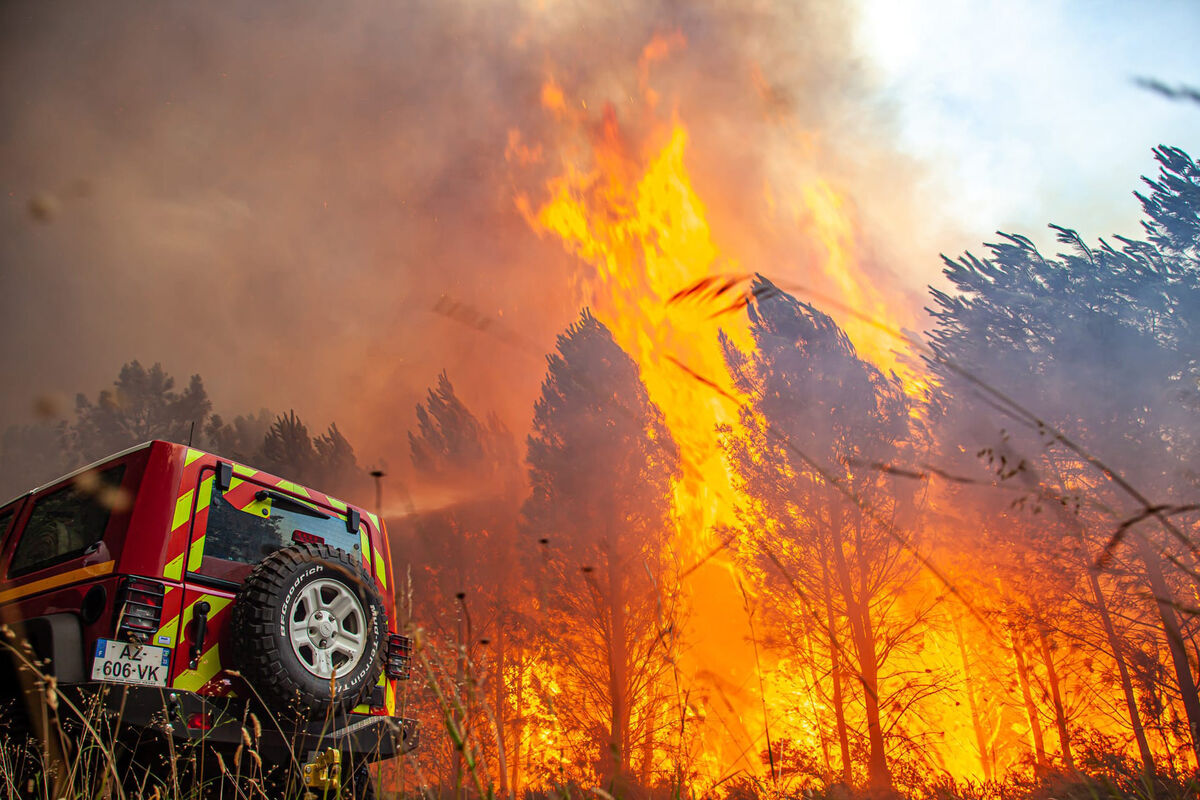
Data from satellite observations of wildfire locations and fire radiative power — which measures intensity to estimate emissions of the air pollutants that are present in the smoke — show the total wildfire emissions from the EU and Britain from the beginning of June to the end of August are estimated to be 6.4 megatonnes of carbon, the highest level for these months since the summer of 2007, Cams said.
Fires raged across Europe following double-dip heatwaves in July and August, with the likes of France, Portugal, and Spain seeing massive blazes that authorities struggled to get under control.
In mid-August, a fire in the Gironde region and neighbouring Landes in France led to the evacuation of at least 10,000 people, with more than 360 firefighters and 100 specialised land vehicles sent from countries across the EU to bolster 1,000 French firefighters already on site.
There was no let-up for France in September, with wildfires in the south-west burning more than 1,000 hectares of land and forcing the evacuation of residents amid record temperatures.
Meanwhile, new data compiled by scientists has revealed that the major drought that affected swathes of Europe, the US, and China during the summer was made 20 times more likely by climate change.
World Weather Attribution researchers said it would only happen once every 400 years without human-caused climate change, but could now happen every 20 years instead.
CLIMATE & SUSTAINABILITY HUB
CONNECT WITH US TODAY



Be the first to know the latest news and updates