Taoiseach: Schools should get resources to educate pupils on alcohol from HSE
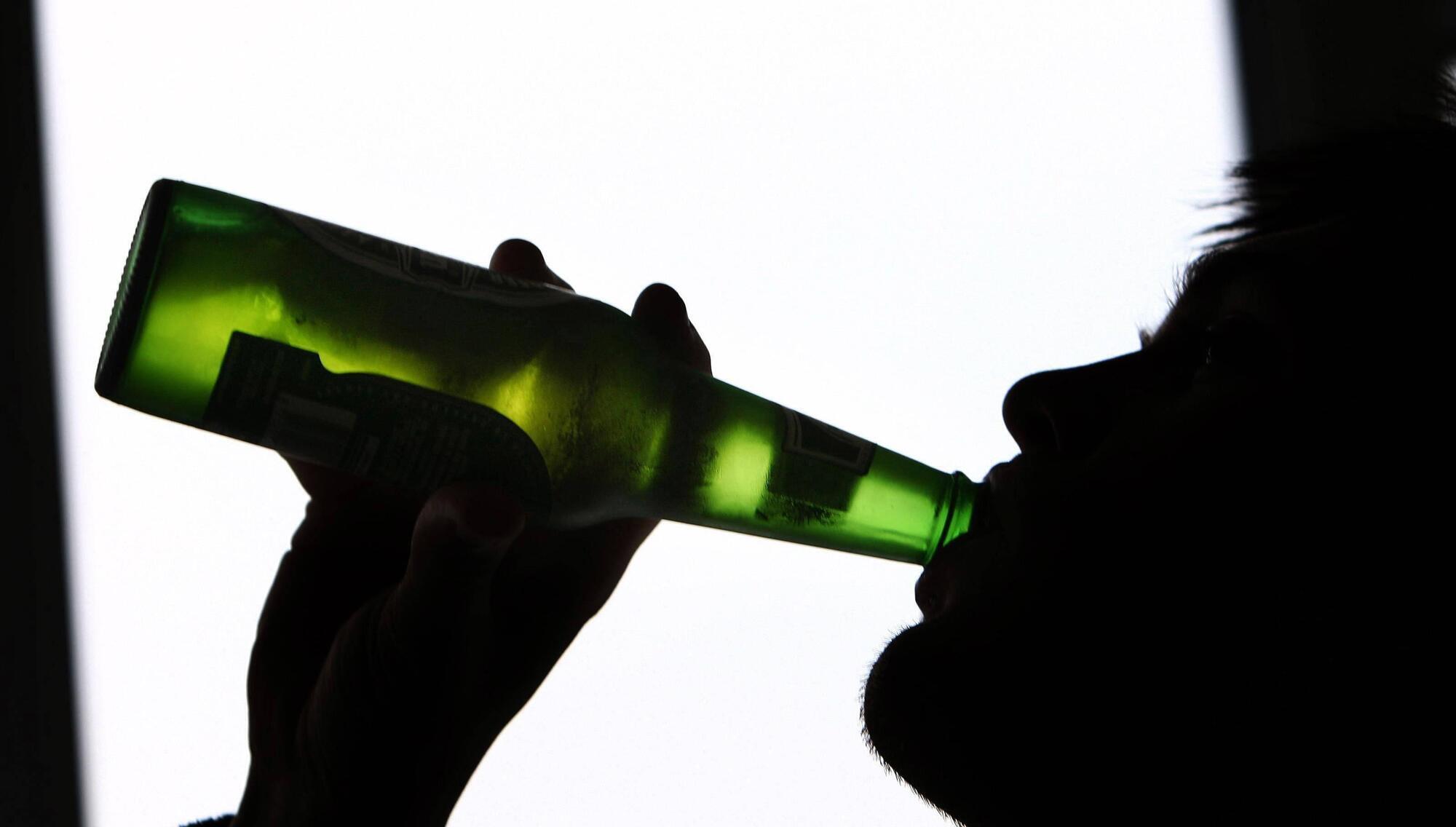
Drink Aware has been accused of having a vested interest as it is funded by the alcohol industry. Picture: David Jones/PA
Taoiseach Micheál Martin has said schools should get their resources from the HSE and public health agencies in respect of educating pupils about alcohol.
His comments come after the revealed Drinkaware is working with schools against the advice of the HSE and Department of Health.
Mr Martin told this publication: “I think it’s from the HSE and public health agencies that schools should draw resources from.
“The partnership should be between education and the HSE and the department.
“I don't think the drinks industry should be near schools in respect of anything to do with addiction generally. And I think many of the schools are probably entering in good faith.
“I mean, they're anxious to try and help students and help young people.”
Earlier, Social Democrats co-leader Roisín Shortall called on Education Minister Norma Foley to urgently introduce a new programme for alcohol awareness for the Junior Cycle to replace the one being offered by Drinkaware.
Ms Shortall told RTÉ’s show that it was a conflict of interests and not at all appropriate to have a programme in schools that had been funded by the alcohol industry.
However, Sheena Horgan, CEO of Drinkaware, said the charity was “funded, not run by” the alcohol industry.
Ms Horgan called on the HSE, the Department of Health, and the Department of Education to meet with them so they could discuss the “primary preventative programme” which had been provided to schools to “fill the gap” in education.
“We are funded by the alcohol industry, but we have charitable status. The programme was not created by the industry, it was created by educators, it was developed in situ by teachers. Alcohol has no place in childhood," she said.
“A cursory glance at the materials shows in a very crystal clear way that alcohol has no place in childhood. There is a push back to defer the age at which they take their first drink. Drink Aware has always said that no one should drink under the age of 18.”
Ms Shortall said that the alcohol industry should not have any role in schools. It was very difficult to accept the independence of Drink Aware, she said, as there was a clear conflict of interests.
A circular had been sent to schools saying it was not appropriate to use the Drinkaware programme, she added.
“I am calling on the minister for education to issue a new circular to all schools advising them on health grounds not to use this programme. It has to stop immediately," Ms Shortall said.
"The alcohol industry should not have any role whatsoever in education. The minister needs to move quickly to fill the gap and develop a new programme. There is no justification for having the alcohol industry in our schools.
Ms Horgan said that Drinkaware had a public health remit, which included addressing the issue of under-age drinking: “If we were about selling alcohol, we would not have charitable status.”
The Junior Cycle programme had been critiqued by Maynooth University, she added.
“It is critically important that we tackle underage drinking by working together, we need to take a collective approach," she said.

CONNECT WITH US TODAY



Be the first to know the latest news and updates