'It is not something you can control' : People with obesity face both stigma and health fears
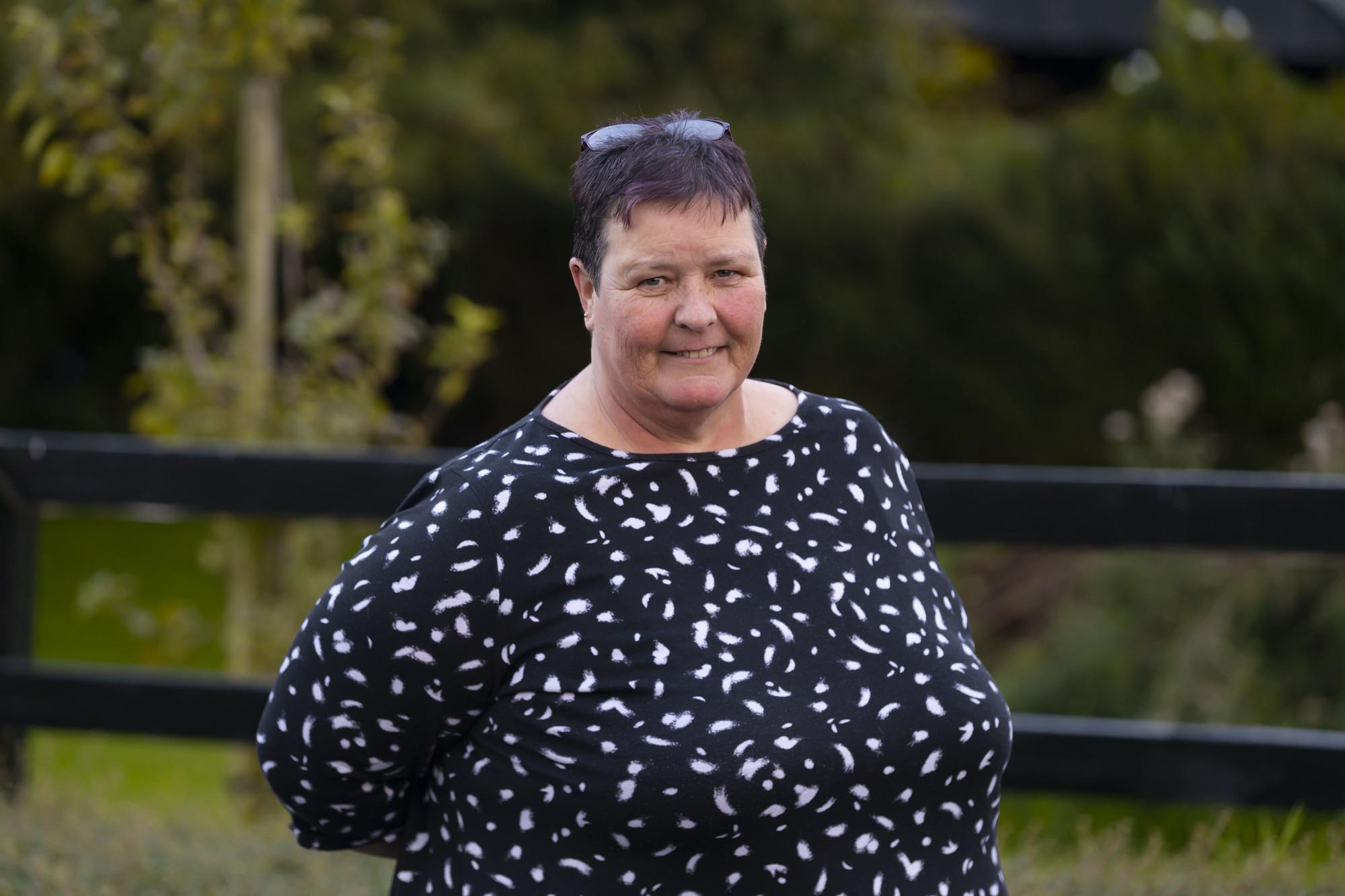
Catherine O’Sullivan from Co Wexford first started gaining weight during her teenage years. Picture: Patrick Browne
Just 170 patients underwent weight-loss surgery in the public system in Ireland in 2021, with people who are living with obesity waiting up to 10 years for operations.
During that time, many people develop secondary complications such as diabetes.
Others find their mental health impacted — and a small number die.
Catherine O'Sullivan, 57, from Gorey in Co Wexford, delivered the mail for 20 years and enjoyed being on the move, chatting to people all day.
However, arising out of poor health, she had to retire from the job she loves and is awaiting bariatric surgery.
She needs a hysterectomy and a knee replacement, neither of which she can have unless she goes under a certain weight.
She has tried all of the slimming clubs and had been on diets "practically every week".
Ms O'Sullivan first started gaining weight during her teenage years. She did a lot of walking in her job as a postal operative, but her weight was always a problem.
Since her loss of mobility, she has found her weight gain to be unmanageable.
"Once my mobility became bad, then the excess weight gain continued," she said.
"I was already heavy as it was, but now I am living with obesity and my quality of life is really bad. I am not even on the list for surgery. I am just in the system."
People who undergo the surgery have to reach strict criteria, and it is not an operation that is undergone without considerable assessment.
According to the World Health Organization European Regional Obesity Report published earlier this year, Ireland ranks ninth of 53 European countries for obesity in adults, and 11th for overweight and obesity.
Being overweight or living with obesity is the fourth-most common risk factor for non-infectious disease, after high blood pressure, diet, and tobacco, and it is the leading risk factor for disability.
Sleep apnoea and endometrial cancer also have quite a high prevalence among people living with obesity.
Ms O'Sullivan said that it is understandable that priority is given to people who also have other conditions such as diabetes and depression.
She is grateful not to suffer from either, but fears the development of complications if she has to wait too long for surgery.
For now, she feels she has to "grin and bear it".
"And just knowing that there is help there at the end of the road," she said. "Hopefully it will go my way."
Ms O'Sullivan attends weekly Zoom classes with the Irish Coalition for People Living with Obesity (ICPO) which is a group that aims to support, educate, and raise awareness that obesity is a complex chronic disease.
She said finding ICPO was the best thing to ever happen to her in relation to coping with her feelings about her body.
"To know that there are so many out there living the same way as we are," she said. "It just makes a difference."
Meanwhile, the lead of ICPO, Susie Birney, 47, from Dublin, said the long waiting list for bariatric operations has driven many patients to private overseas clinics.
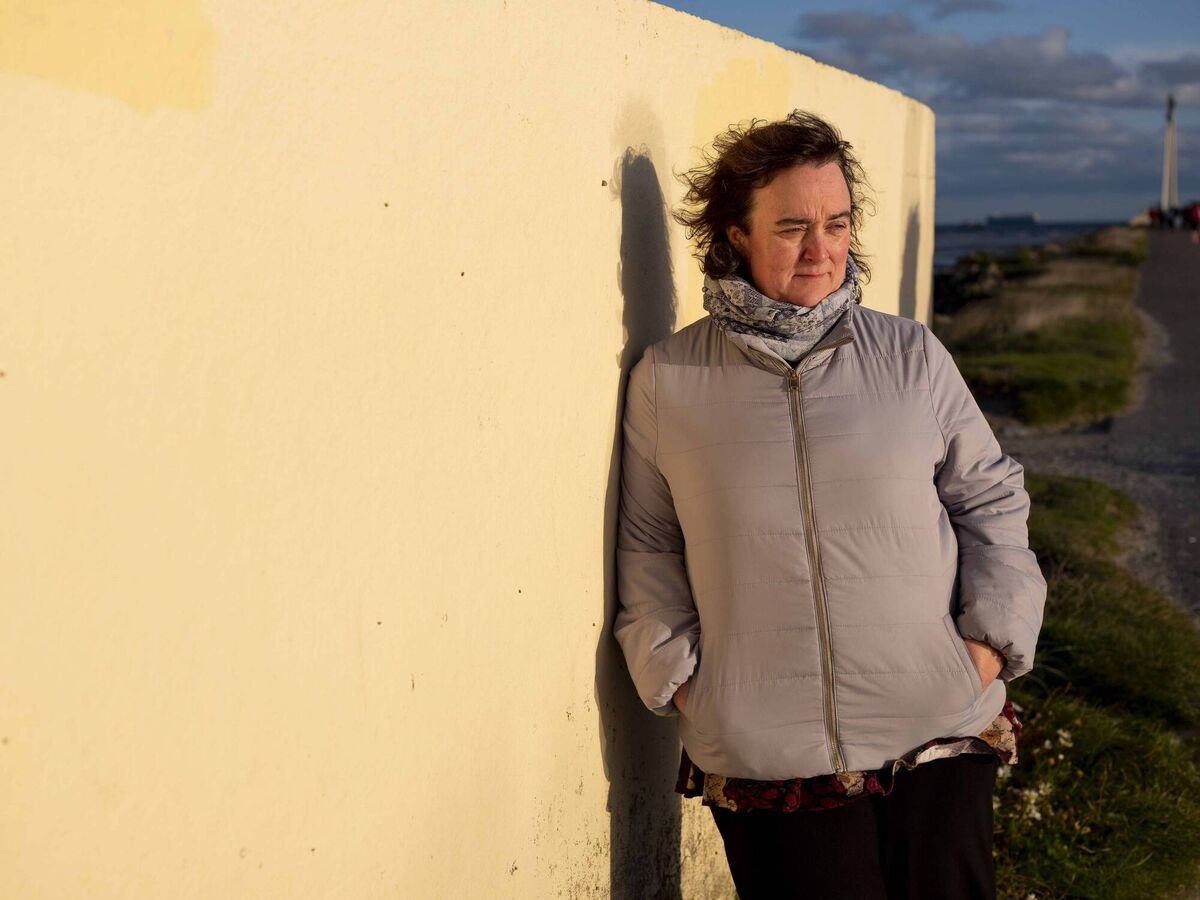
She said surgery overseas works well for patients who have good communication with their GP back home who can provide aftercare. However, many times the knowledge about surgery aftercare is not present among doctors.
"GPs will sometimes say: 'I am not equipped.'
Ms Birney never had any problem with weight gain in her childhood, and was very sporty. However, she lived with avoidant restrictive food intake disorder from an early age and once she reached puberty, her weight started to rise.
"I couldn’t eat vegetables," she said. "I couldn’t eat fruit. So it was always a battle from the start.
"I got to my teens. I fully believed that my food disorder was the only reason that my health started getting worse.
"At 19-20, everything was changing around that time so it was very hard to pinpoint. I had a serious knee injury and I also had mild depression coming into the winter.
"The stigma was always awful. Which wasn't intentional but was awful. Criticism like 'what are you doing about your weight? ' I was swimming four or five days a week but I reached 25 stone."
In one year, she was diagnosed with type 2 diabetes, polycystic ovarian syndrome, and sciatica. Her feelings of depression increased and her quality of life deteriorated completely.
At the age of 35, she started attending the Weight Management Service in Loughlinstown in Dublin and she had also been referred to Beaumont Hospital for her diabetes.
Ms Birney also attended a separate clinic for her polycystic ovarian syndrome.
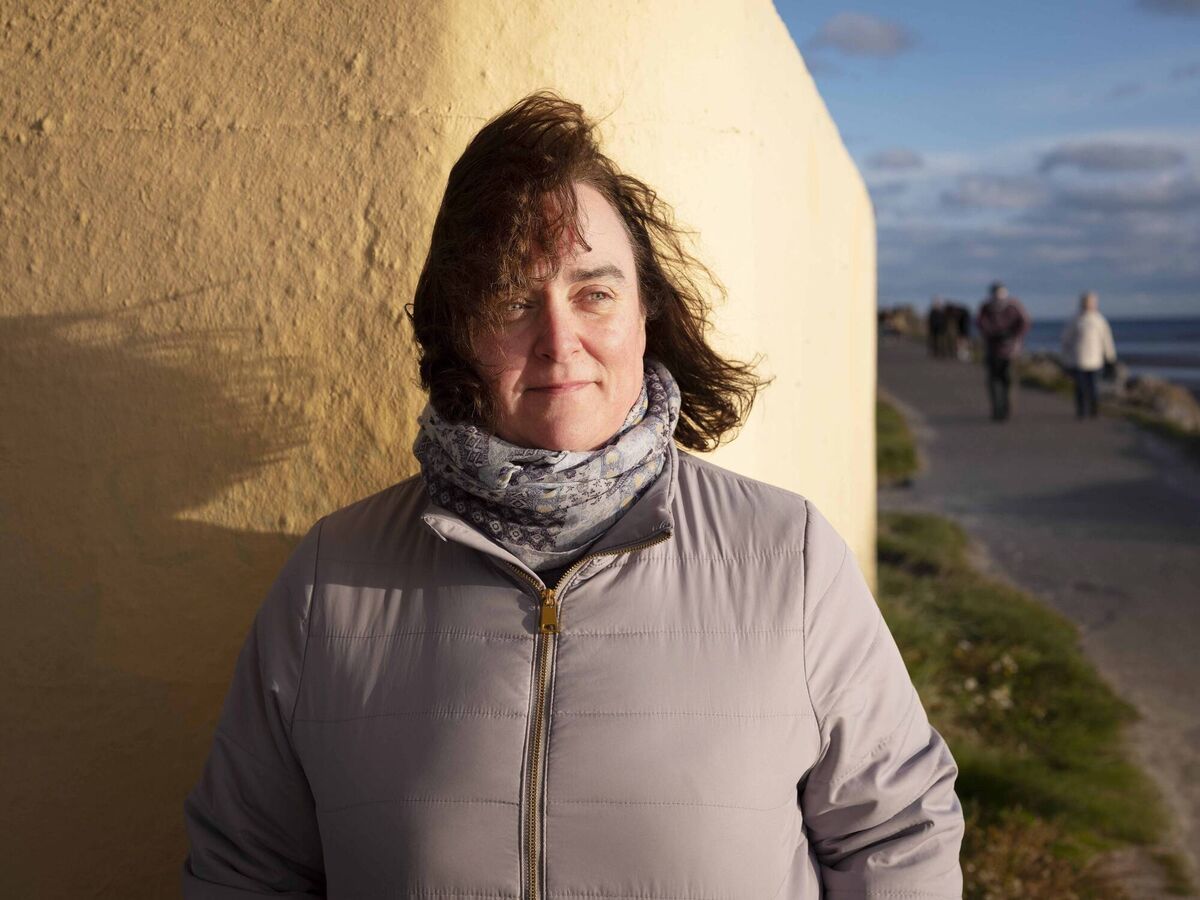
"So completely different directions," she said. "Back then, I would have thought there was no link between them.
"I had my appointments at the Weight Management Service and didn't really understand what it was about. At the time I just felt complete shame about being there.
"How did I land here? How did I need this? I was fully fixated on fixing the food disorder."
Ms Birney joined a patient support group, which was a "defining moment" in her life as she was with people who were experiencing similar issues to her.
"And we started coming up with ideas like family walks, healthy lunches, and so we were doing what most people don't expect people living with obesity to do," she said.
At one point, Ms Birney was about 110th on the list for bariatric surgery with just 30 operations having been completed in Ireland the previous year. She was about three or four years away from surgery when she began to suffer major secondary complications.
"With diabetes, I had been diagnosed with retinopathy, which is in the eyes," she said.
"You go through different stages with that, and you could actually end up blind."
Susie decided to find out what she was entitled to on her private health scheme. Her private health insurers said they would pay for half of her bariatric surgery if she opted to go private.
"I had had two hernia operations at this stage as well," she said.
"I wrote letters. I got the surgeon in Loughlinstown. I got the physiotherapist. I got my GP all to write to my health insurer to say my health was spiralling despite being on medication. I needed treatment."
Her surgery was approved, and Susie had her bariatric operation in 2015.
Susie says the day she had the surgery she went off all of her diabetes medications.
She insists that the surgery pays for itself and she cannot understand why it is so under-resourced.
She said: "Being off all long-term illness medications for the last seven years — how much would that be? That would pay for the surgery in just a couple of years.
Susie warns that it is common for people to regain some weight after they have bariatric surgery, and they still face lifelong issues with weight.
"I still have a team that is so important for anybody's treatment," she said. "I think everybody needs a team approach if you are dealing with obesity.
"The team has helped me. I am on another treatment, so I am back down some of the weight I regained. It is this realisation that this is something that is for life.
"Not all treatments work for life. And when one isn't working, you have to find out what is the next best treatment that you can use."
She says that people think that the reason for obesity is simply overeating.
"But overeating in most cases comes from some other reason," she said.
She feels that people living with obesity often feel immense shame when they cannot overcome immense cravings.
"Science now shows that someone who lives with the genetics of obesity, as soon as you try to restrict yourself, you have intense cravings you can't control," she said.
"People think that weight is under voluntary control. It is not.
"It is not something you can control. Your body will fight against you for many different reasons.
"I think slimming groups work fantastically for those whose weight doesn't impact their health directly. But if you are somebody living with the chronic disease of obesity and are living with probably gaining or losing three, four, or five stone at a time, slimming groups can help, but they aren't the only option. You need treatment."
Susie stresses that the majority of people they speak to in support groups do not want to live this sort of life.
"They have tried and tested so many diets over the years and for a lot of them that lifestyle isn't sustainable," she said.
"Many will say that they have a healthier lifestyle than their partners do, but their partners don't live with obesity. They get so tired of being stigmatised."
She says that obesity is a chronic disease for those who have it.
"If society was to be a bit more understanding and not just look at it as a visual," she said.
"When you visually look at someone with this disease, you assume their lifestyle choices.
"But if somebody has Type 2 diabetes and that is uncontrolled because they weren't taking their medication, you wouldn't judge them. Just because it is so visual, people make huge assumptions that you are lazy and not driven."
She adds that people with obesity often put off living. She has learned over the years she still carries what she perceives as the judgment of others in her head.
"A lot of us would say: 'I will go on a holiday when I lose the weight'," she said.
"We know of three mothers on a maternity ward who were called the "fat club". People who were told at BreastCheck appointments that if they weren't so fat it would be easier (to do the check). The stigma is there. "
CONNECT WITH US TODAY



Be the first to know the latest news and updates