Ex-Ireland soccer star Stephen Carr backs new sepsis charity
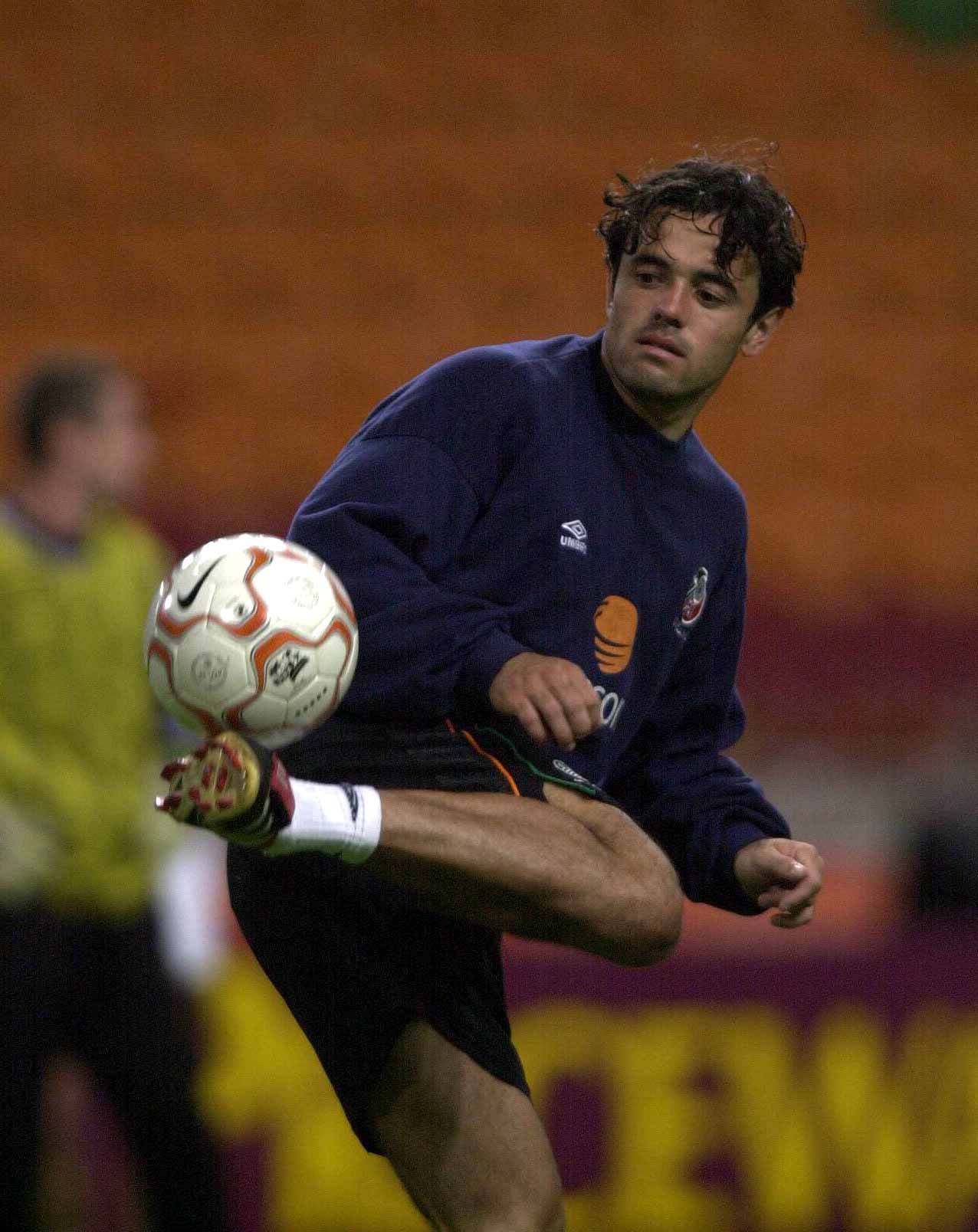
Former Republic of Ireland player Stephen Carr lost his mum Theresa to sepsis. Picture: Matt Browne/Sportsfile
Stephen Carr still remembers the last time he saw his mum, Theresa.
A pre-pandemic Christmas, and she had the flu, "she couldn't shake it off". Within days he was being called to make a desperate flight back to Ireland to see her. He was too late.
Sepsis had killed Stephen's mother, a healthy woman aged just 64 who took regular exercise. The former Ireland, Spurs, and Birmingham full-back was left distraught at what had happened.
"I always come back to family for the new year and she looked alright," Stephen said. "That [the illness] was going on a long time, then on January 4 at 1pm my dad took her to the doctor and she still wasn't well. That is not normal."
It got worse. At 1am the next day Stephen's father had to take Theresa to hospital. "When my dad rang me that morning he said 'you have to get a flight', I said 'why?'. He said 'things are not good with your ma'."
Sadly, Theresa passed away soon afterwards. "
"I didn't even have chance to say goodbye," he said.
That loss, which he describes as "surreal" in its swiftness and brutality, has resulted in his support for a new charity, the Irish Sepsis Foundation, which aims to raise awareness of sepsis and to provide practical assistance wherever possible.
The main driver behind the charity is barrister Doireann O'Mahony, and the foundation will be officially launched in Cork today.
Ms O'Mahony, an expert on medical cases, said there are common misconceptions about sepsis, such as that it is very rare. Both internationally and in Ireland, it is "the number one cause of preventable deaths", she said, referring to figures from the HSE for 2019 which show just shy of 13,000 cases of sepsis or septic shock, and a mortality rate of 19.7%.
Ms O'Mahony said she had the idea for the charity after noticing last September — Sepsis Awareness Month — that none existed.
"We are not looking for a cure, it's not ground-breaking, it's about awareness and making people vigilant, people and medical professionals, and people who have had sepsis and their families, giving them a community," she said.
She said sepsis is a recurring theme in her own work, one that medical professionals are sometimes reluctant to discuss, possibly because of a fear of litigation, but she added: "It's not necessarily always the case that when someone dies of sepsis it is someone's fault, but at the same time we need to highlight it and the time-critical nature of the illness."
That element of vigilance, of having a health system aware of and open to the risks of sepsis and geared towards addressing it as quickly and effectively as possible, is key, as Stephen Carr well knows.
"We want to get the message out there and save lives," he said.
CONNECT WITH US TODAY



Be the first to know the latest news and updates