Increase in special education provision is 'insufficient', say campaigners
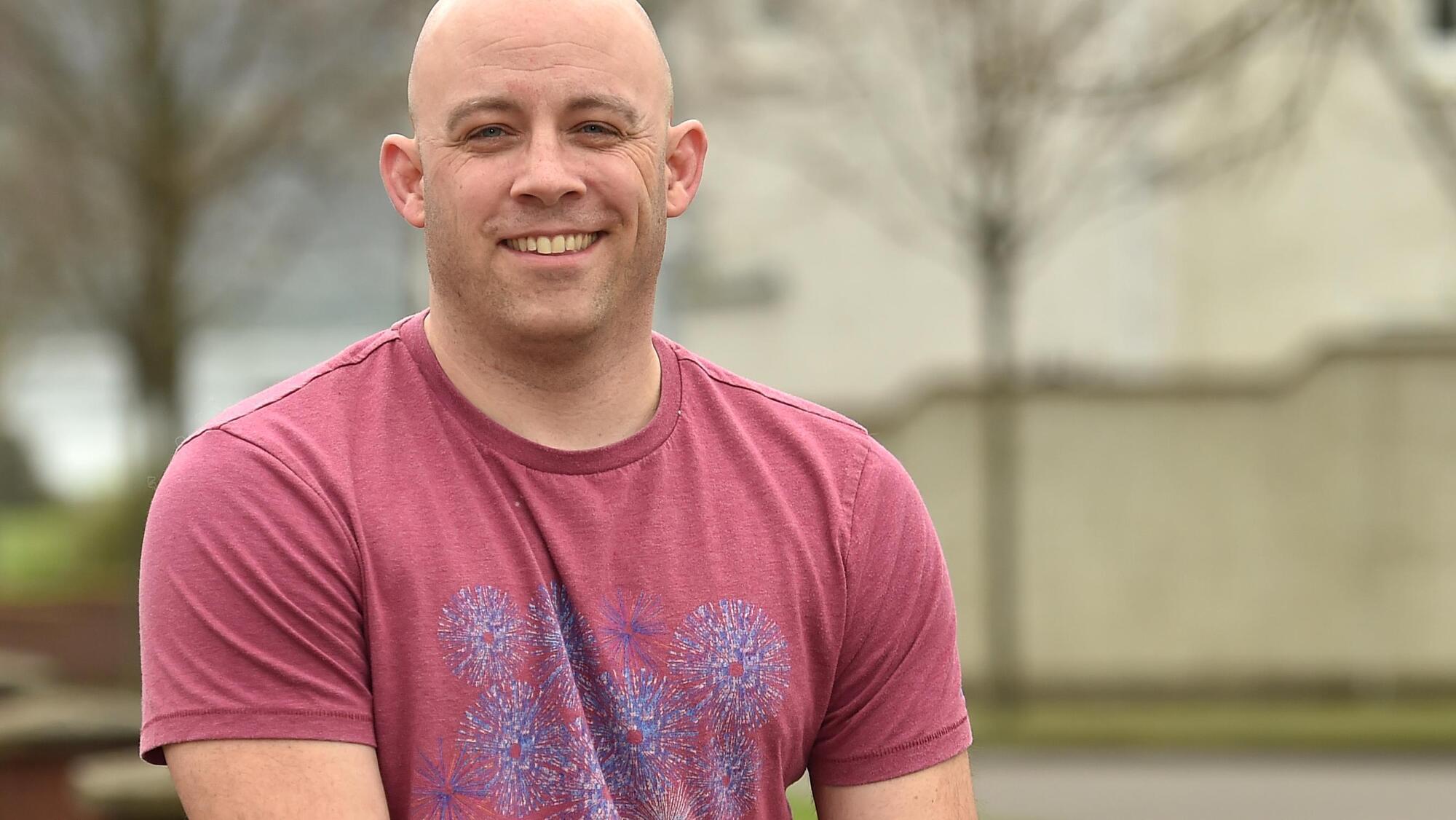
Cork-based secondary Autism class teacher and campaigner Graham Manning said the increases announced by Josepha Madigan were “tinkering around the edges”. File picture: Dan Linehan
The Government has insisted there will be capacity for children who need special school places or classes in the coming academic year, but campaigners have dismissed the increase in places as “insufficient”.
Minister of State with responsibility for Special Education, Josepha Madigan, said a record number of 2,535 special classes will commence when schools return, marking an increase of 383 classes from the previous school year.
This will ensure that approximately 15,759 special class places will be available this year, including 2,312 new special class places.
She said “significant progress” had been made.
“This year, just under 25% of the total education budget or €2bn will be invested in supporting children with special educational needs and I will continue to prioritise supporting children with special educational needs in Budget 2023,” the minister told RTÉ.
"We will have sufficient capacity throughout Dublin and around the country to make sure we can accommodate children in special schools and special classes.
She said Section 37.A powers, which can compel a school to open a special class, had been triggered three times. She acknowledged that her previous naming of schools which had not created classes where there had been a clear need may have caused some upset, saying it was a “difficulty” due to the public nature of the process.
The minister also acknowledged the growing need, and that some children will have to travel outside their local area to access special education provision.
However, Cork-based autism class coordinator and campaigner, Graham Manning, said the increases were “tinkering around the edges”, adding: “The increase is there, that’s a fact. “Does it cover the need? No, it doesn’t.”
He said this was particularly the case at post-primary level, where there was a “bottleneck” with fewer places available than at primary level. He said the new places are “absolutely minimal” and did not take into account children already misplaced in the school system.
Derval McDonagh, CEO of Inclusion Ireland, said: “While we recognise there were measures put in place to provide places for children this year, we need to see an articulated vision and a pathway towards a fully inclusive model of education
We received 458 responses to our survey for our Prebudget Submission 2023.
— Inclusion Ireland (@InclusionIre) August 24, 2022
41% of people cited access to services as their number one issue.
Read our Prebudget Submission 2023 and further info here:https://t.co/y6ICS9KhAm pic.twitter.com/whHj7Ugk8r
“Getting a local school place is only ever the first step for children and should be the very bare minimum expected by us all.”
Ms McDonagh said:
“The true hallmark of inclusion is where the child has access to the supports they need as an individual to thrive and flourish in their education and beyond.
"To achieve this there needs to be more careful, long-term planning and a flexible, rights based approach for all children.”
CONNECT WITH US TODAY



Be the first to know the latest news and updates