A year after IPCC's stark warnings, another month of heatwave and drought awaits
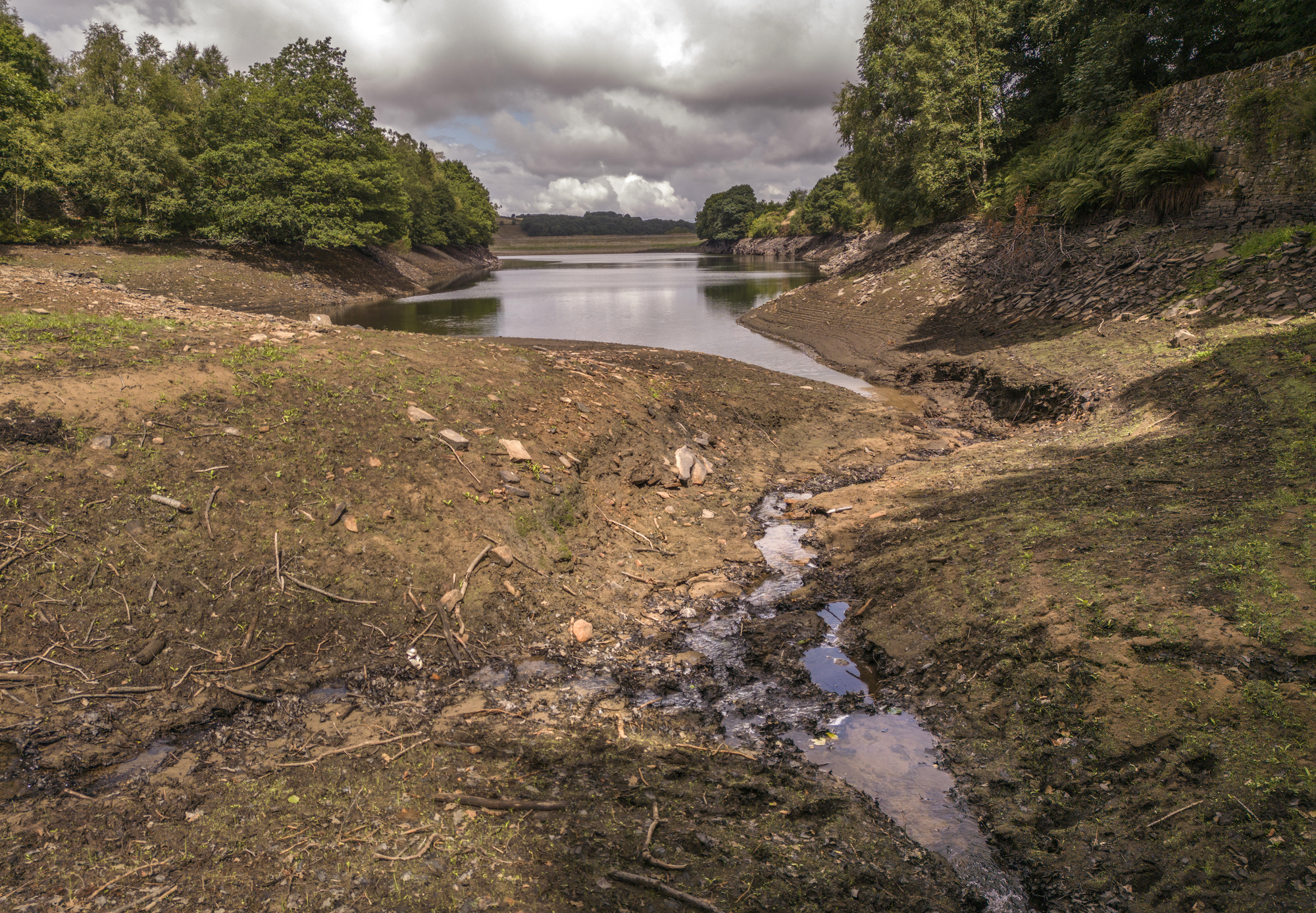
Low water levels at Holme Styes reservoir caused by prolonged dry weather in Holmfirth West Yorkshire, England. Picture: PA
A year after one of the starkest wake-up calls about the impact of global warming, Europe is bracing for another month of heatwaves, wildfires, and drought.
In the first of a three-part report on the latest climate science, the UN-backed Intergovernmental Panel on Climate Change (IPCC) concluded on August 10 last year that it is "unequivocal" that human activity is warming the planet, causing rapid and widespread changes to land, atmosphere, and oceans.
The changes, which are unprecedented for many centuries or even many thousands of years, have pushed up global temperatures by 1.1C, and are driving weather and climate extremes in every region across the world.
It said global warming of between 1.5C and 2C — limits countries have committed to in order to avoid the most dangerous impacts of climate change — will be exceeded in the 21st century unless deep reductions in greenhouse gas emissions occur in the coming decades.
The IPCC referenced more than 14,000 scientific papers, and involved 234 authors from around the world — including Maynooth University's professor in physical geography (climate change) Peter Thorne.

The report was a major influence on world leaders as they made a series of emissions reduction pledges at the UN climate change summit in Glasgow last November, Cop26.
Since then, regions all over the world have been engulfed in extreme weather events, including Europe, which saw devastating heatwaves and wildfires across the continent last month as countries broke their all-time record temperatures.
World Meteorological Organization (WMO) scientists have said Europe is in for another heatwave period in the next four weeks, albeit not as intense as last month.
WMO’s regional climate monitoring centres for Europe, operated by the Deutscher Wetterdienst, said there is likely to be above-normal temperatures in Iberia, the western Mediterranean, Italy, France, southern UK, Central Europe, and the western Black Sea region within the next four weeks.
Heatwaves will occur temporarily with cooler periods in between, it said.
Less-than-normal rainfall is also now expected, the WMO said, which means the likelihood of drought and wildfires.
Western and Central Europe, Italy, the Balkan Peninsula, and western Turkey will, in the next two weeks, see rainfall of less than 10mm in most parts, except for short thunderstorms, it said.
There is an 80-90% chance of this occurring for the first week and above 70-80% for the second week, it warned.
The global pledges at Cop26 have been met with a mixture of hope and scepticism, with political jousting stalling emissions targets as agreements are thrashed out.
In Ireland, so-called "carbon budgets", first announced in October 2020, were only signed off last month after a last-minute deal on agriculture, which is a major driver of emissions through methane.
Similar toing-and-froing took place in the US, before president Joe Biden finally got an emissions-reduction package over the line in recent days following months of resistance from Republicans and even members of his own Democratic Party.
CLIMATE & SUSTAINABILITY HUB