More than €1.3m available for mesh services but no staff hired
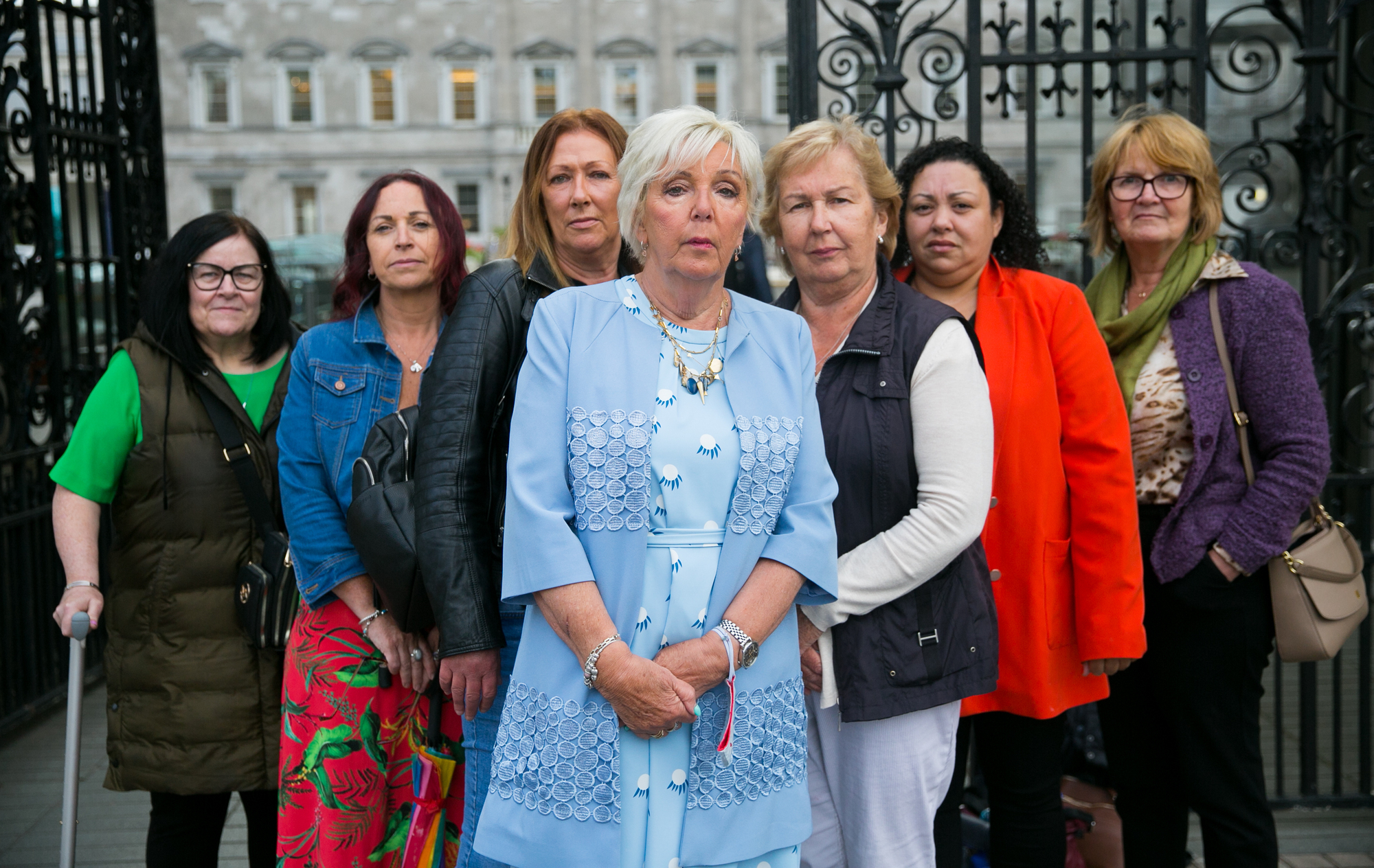
(Left to right) Adrienne Cassidy, Amanda Robinson Kelly, Dee Kavanagh, Margaret Byrne, Frances McDevitt, Louise Keogh and Siobhan Wall at Leinster House for an Oireachtas Health Committee hearing from women who have been affected by the vaginal mesh scandal. Picture: Gareth Chaney/ Collins Photos
More than €1.3m has been allocated to the HSE Mesh Complications Service, but women affected by serious health problems are frustrated with the pace of reforms.
It has been estimated that up to 10,000 women had vaginal mesh inserted to address health problems here, with a complication rate now estimated internationally at 10% to 12%.
The HSE’s National Women and Infant Health Programme (NWHIP) supports two mesh complication centres linked to Cork University Maternity Hospital (CUMH) and the National Maternity Hospital (NMH). New data show two specialist scanners for these centres cost €171,618 each for a total of €343,236.
The previously reported the scanner in Cork was not used after a training day in November 2021 due to recruitment difficulties. The data shows CUMH could receive €500,000 annually for salaries and running costs at the centre.
This includes a full-time clinical nurse specialist, urogynaecologist (€63,452), part-time obstetrician (€117,138) and senior psychologist (€49,464).
An email from NWHIP to Professor John Higgins at CUMH in June 2020, released under Freedom of Information, states: “As and when posts are filled, funding will be transferred by NWHIP on a pro-rata basis as appropriate.”
The NMH could receive €535,988 annually for seven staff and running costs. This includes a part-time anaesthetist (€117,253) and senior clinical psychologist (€49,464), and two specialist physiotherapists (€70,464).
Use of the Dublin scanner was delayed initially due to a missing component. Terri Martin from Mesh Survivors Ireland said these scanners are “a vital tool”.
“Many of the ladies have been told for many years this was in their minds, so to have a visual is crucial,” she said. “Ideally, everyone should have a scan done.”
She was surprised at how much money is dedicated to recruitment and called for a new approach to broaden access to mesh removal.
“This is a colossal sum of money,” she said. “I go to Cork, the mesh centre staff are brilliant. If they brought in one of the experts from America, even six weeks every year you would get through a good few people especially if they had the scan prior to that.”
There are 604 women in this group, with a small number set to have their mesh removed this month, she said. Margaret Byrne, who is also battling ill-effects from a mesh insertion, said scans need to be available for more women.
“My opinion is that it is a disgrace that they have not been fully operational since they were installed almost a year ago,” she said.
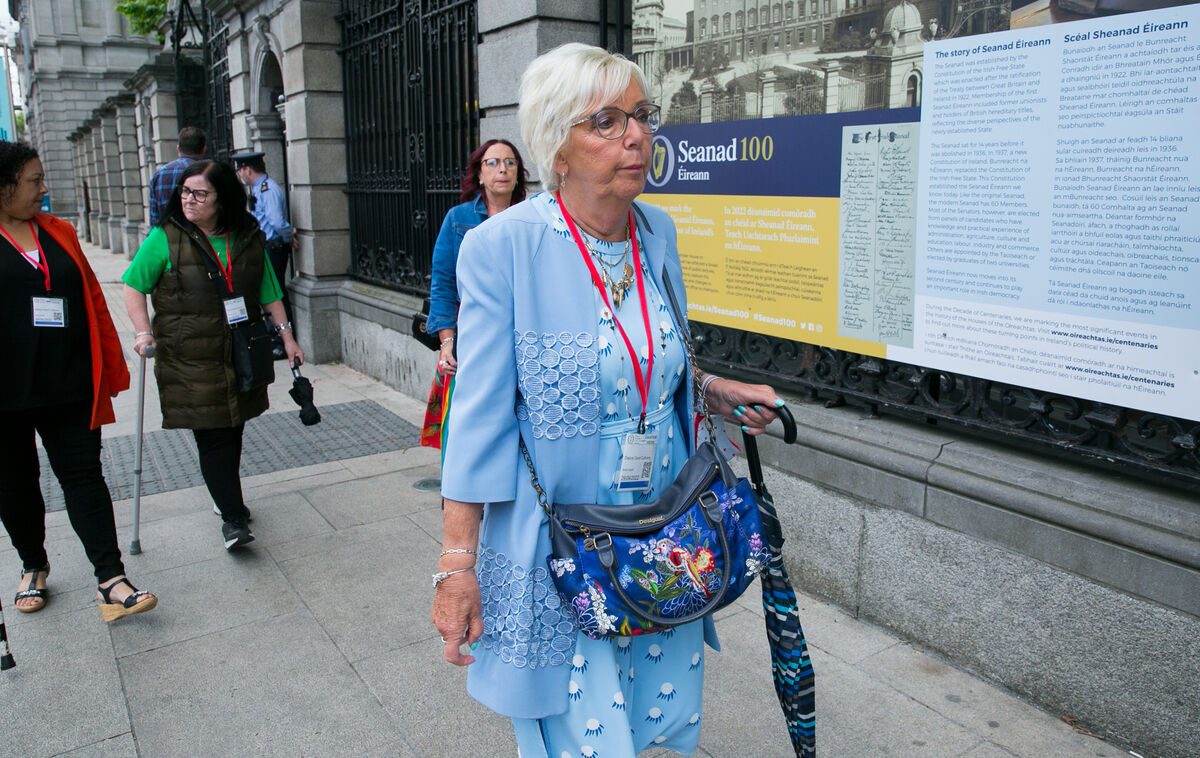
“But more importantly the delays are causing huge upset to the mesh-injured, who need to know where the mesh is in their body and how they can move forward or make decisions with this information. Instead they are languishing in pain, in no-man's land just waiting.”
The use of vaginal mesh for urinary stress incontinence and pelvic organ prolapse surgeries in Irish public hospitals was paused in July 2018.
Speaking to the Health Committee in June, NWIHP clinical director Dr Cliona Murphy said seven mesh removals were done at CUMH and "considerable work" is going on nationally. The HSE pledged to bring a full report in “late autumn”.
CONNECT WITH US TODAY



Be the first to know the latest news and updates