Inflation hitting lowest-income households and over-65s the hardest, CSO data shows
Inflation hitting lowest-income households and over-65s the hardest, CSO data shows

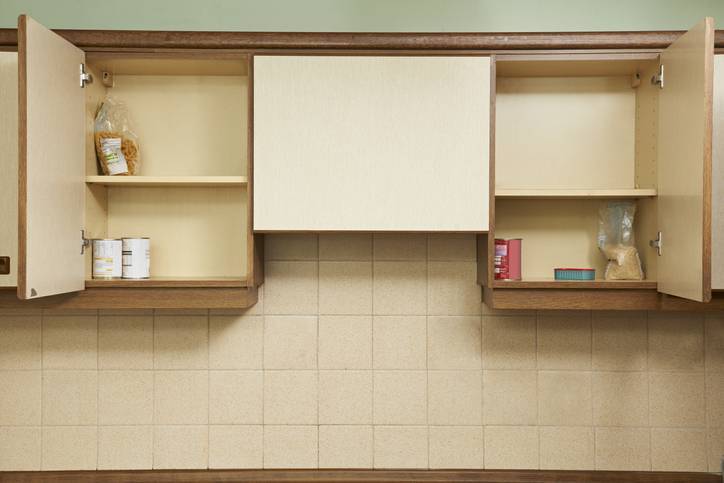
Central Statistics Office data shows the groups which experienced inflation at a higher rate than the official measure of inflation included lower-income households, households that rent their home from a local authority, households renting privately, one-parent households, households where the dwelling is owned outright, and rural households. File photo: iStock

The poorest households in Ireland are experiencing the highest rates of inflation, a new analysis from the Central Statistics Office has found.

The new estimated inflation rates put inflation to June 2022 at 10.3% for lower income households compared to 8.2% for the highest income households. This compares to the consumer price index figure for the same month putting inflation at 9.1%, the highest in nearly 40 years.

The CSO’s analysis suggests that all households in Ireland are experiencing inflation at a level not seen for many decades, but not all are feeling the pinch in the same way.

It comes amid calls from charities and advocacy groups for measures in Budget 2022 to be targeted to support those feeling the worst effects of the cost-of-living crisis.

Coinciding with the CSO’s publication, charity One Family published its pre-budget submission which calls for increasing the Qualified Child Increase (QCI) payment by €12 for children over 12 years and €7 for children under 12 years.

One Family CEO Karen Kiernan said: “For many families, who were already struggling, these increases will push them into a current of poverty that will be very hard to escape from.

In real terms, this means children and families will go hungry and cold this winter as they run out of options. 

"This just isn’t right in Ireland in the 21st century.” 

In its analysis, the CSO said it aimed to reflect how the rising cost of living is affecting households in different situations.

Statistician Joseph Keating said: “However, each household has its own unique consumption pattern of goods and services and therefore its own personal experience of inflation.

“The updated research paper published by the CSO today attempts to take account of those differences between households and provides an estimated breakdown of the CPI results by household characteristics up to June 2022.” 

Most affected

Mr Keating said that groups which experienced inflation at a higher rate than the official measure of inflation included lower-income households, households that rent their home from a local authority, households renting privately, one-parent households, households where the dwelling is owned outright, and rural households.

For the lowest-income households, the cost of energy contributed the most to their rising cost of living adding 3.3% to their 10% inflation rate. For the highest income households, however, the cost of transport was their highest driver of inflation.

There was also an age gap in the results. In households where the “reference person” - usually a parent, spouse, cohabiting partner or first usually resident person in a home – is over the age of 65, they experienced inflation at 9.8% in the past year. This compared to households where the reference person was under the age of 25, where inflation was a percent lower at 8.8%.

The CSO said that many of the results may seem intuitive, such as lower-income households experiencing a higher rate of inflation than higher-income households.

“This is because households with lower incomes spend a higher proportion of their expenditure on Rent and Electricity, Gas & Other Fuels, and these items had high inflation over the period,” it said.

“But households with higher incomes spend a higher proportion of their income on Transport and on Restaurants & Hotels, and price increases in these sectors may, at certain times, drive their estimated inflation higher than households with lower incomes.” 

But there were some aspects that may have seemed counter intuitive, such as a home with two adults and two children having a lower inflation than households with just two adults.

The CSO said: “Households with children have higher proportions of spending on food and clothing. These had relatively low inflation over this period, so the inflation for households of two adults with children is lower.” 

The stats body said it will continue to refine its analysis in this area in future, and said there was no international standard practice in relation to methodology on how inflation affects different kinds of households.

x

More in this section

Lunchtime News

Newsletter

Keep up with stories of the day with our lunchtime news wrap and important breaking news alerts.

Cookie Policy Privacy Policy Brand Safety FAQ Help Contact Us Terms and Conditions

© Examiner Echo Group Limited