More than 120 young people referred to psychiatric services from Oberstown
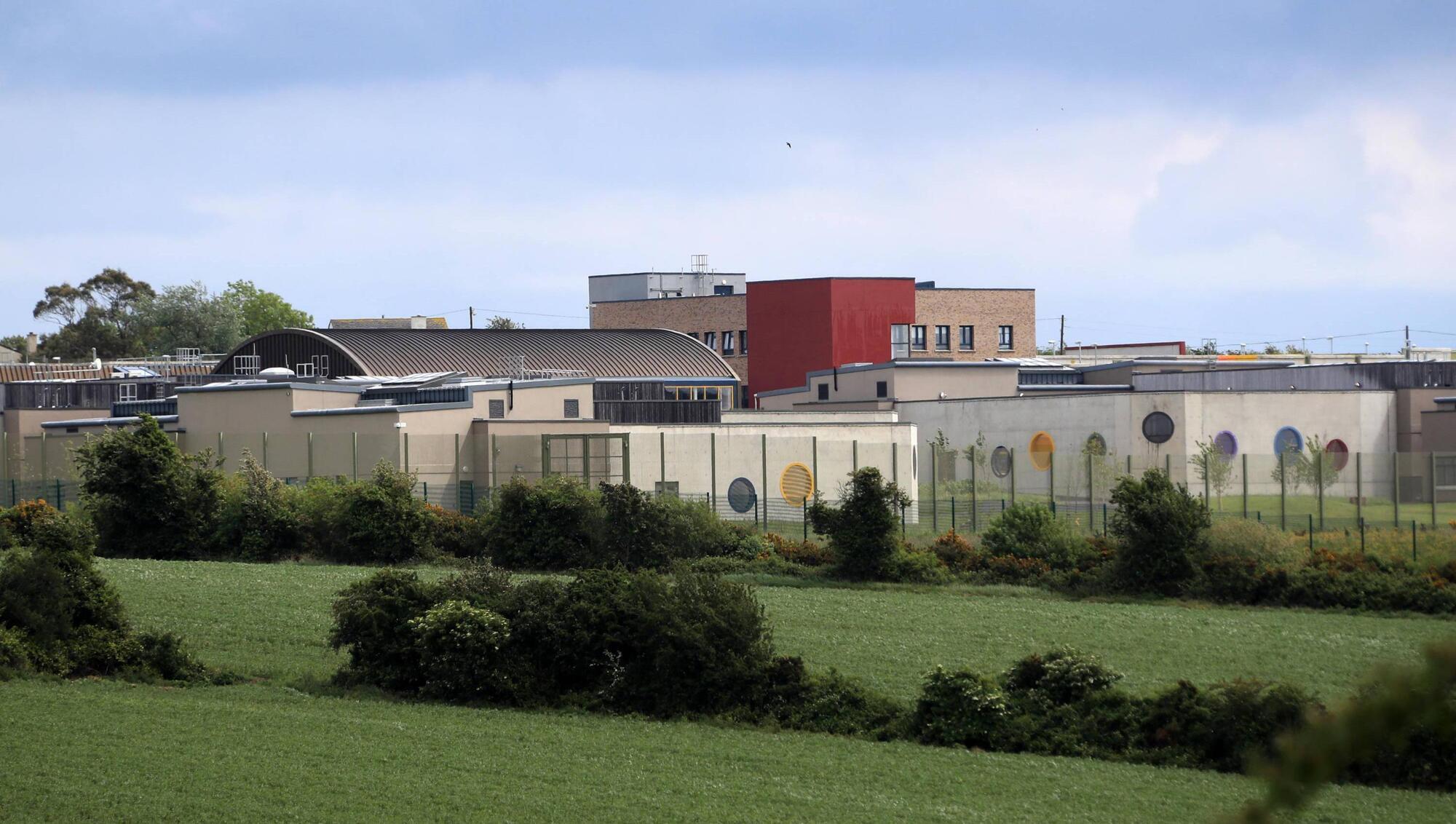
Management at Oberstown has previously outlined the often difficult backgrounds of many of those detained there and according to the report, 122 referrals were made to HSE Forensic Child and Adolescent Mental Health Service (FCAMHS) and the ACTS (Assessment Consultation Therapy Service), which provide psychiatric services to young people. File picture Colin Keegan
Mental health is still a major issue for young people detained at the Oberstown Campus, with the latest annual report showing more than 120 referrals to psychiatric services last year.
Oberstown is the country's main detention facility for young offenders. It had a daily average of 31 young people detained in 2021, with an average age of 16. Of those, an average of 19 were in detention with 12 on remand. A total of 102 people were detained in the north county Dublin facility last year.

A breakdown of the overall number detained shows 37 were from Dublin, five were born outside Ireland and 30 were from the Traveller community.
Management at Oberstown has previously outlined the often difficult backgrounds of many of those detained there and according to the report, 122 referrals were made to HSE Forensic Child and Adolescent Mental Health Service (FCAMHS) and the ACTS (Assessment Consultation Therapy Service), which provide psychiatric services to young people.
According to the report: "In 2021, more than 140 matters relating to the welfare and protection of young people were referred to the Designated Liaison Person (DLP) in line with Children First legislation.Â
"Of these concerns, 14 met the referral threshold set down by Children First and these were forwarded as Mandated Reports to Tusla, the Child and Family Agency; 10 of these concerns related to the period of time when the young person was in Oberstown."
The report also outlines how there was one protected disclosure made with regard to Oberstown last year, and 23 injuries reported to the HSA. There was also a rise last year in the number of hours young people spent in single separation - up to 5,679 from 3,200 in 2020, but still way below the level of 2016, when it was more than 25,000, or even as recently as 2018, when it was more than 8,000.Â
The report said the reducing trend in the number of hours spent in single separation "illustrates the collective efforts of staff and young people to improve behaviour management on Campus".
Writing in the report foreword, Prof. Ursula Kilkelly, Chair of the Board of Management of Oberstown, said two significant developments took place in 2021
- the appointment of Damien Hernon as the new Director
- and the bringing into effect of the Children’s Rights Policy Framework, which "provides a comprehensive and holistic policy base for all aspects of campus operations, setting down 12 rules and associated policies in relation to the care of young people and the various roles of staff and management on the Campus".
Mr Hernon said: "Above all, we remain grounded by our core focus: providing a safe and secure environment that offers the young people in our care every support to maximise their potential and build positive outcomes for themselves and society."
There were 85 onward placements from Oberstown, mostly to home, with 12 transitioning to the Irish Prison Service. One undertook the Leaving Certificate, six the Junior Certificate, and young people won a string of awards, including Gaisce Awards.Â
The report also outlines the efforts to minimise the impact of Covid-19, which were largely successful despite 70 staff being unavailable at the campus in March last year due to the virus.