Health experts raise fears about impact of Australian 'super cold' on hospitals
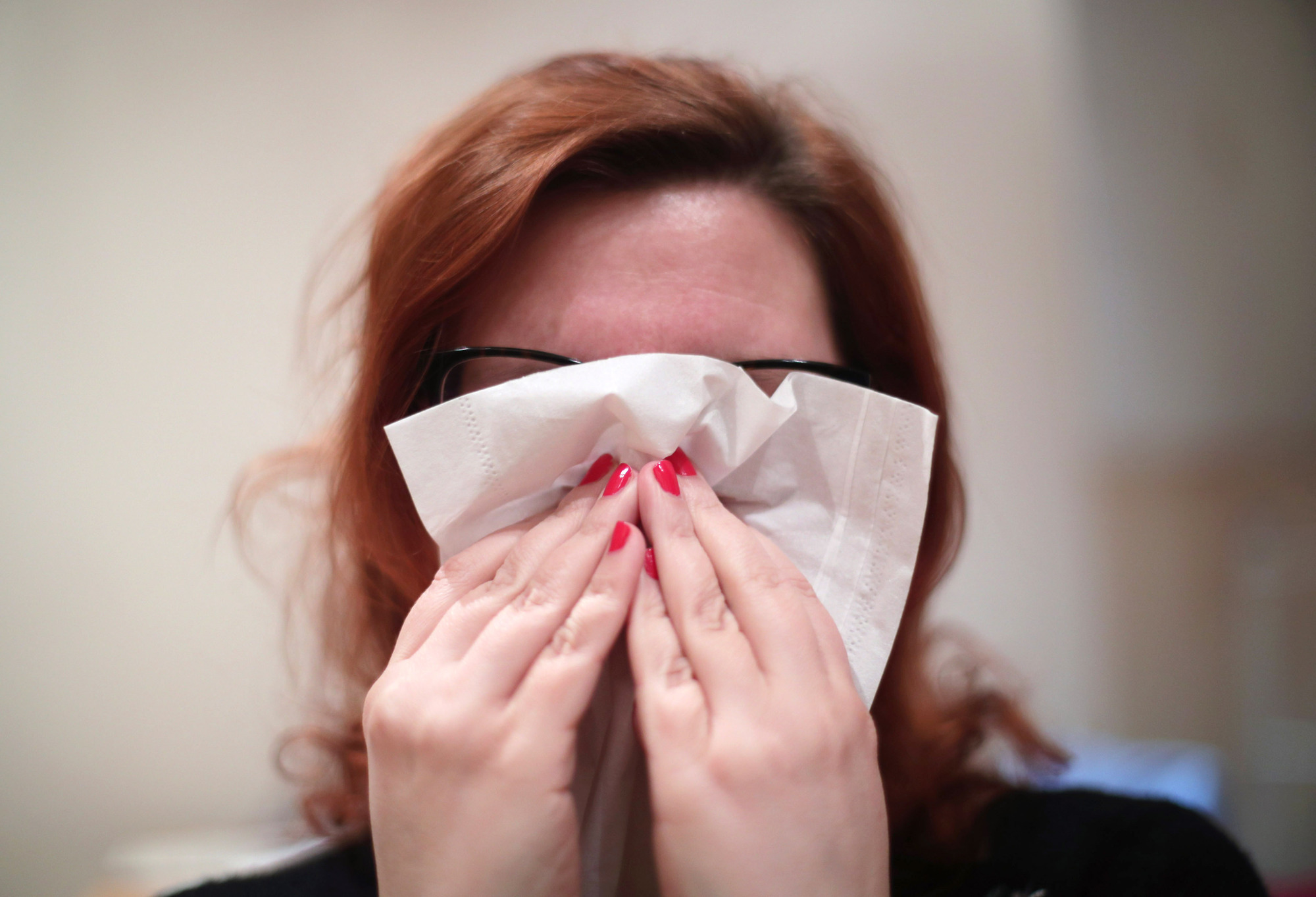
The reported symptoms of this new cold see the same head and body aches, general fatigue, scratchy throat, raspy cough and runny nose that is experienced with Covid.
The HSE’s chief clinical officer has said that health care systems across Europe are concerned at the higher than expected levels of influenza in Australia at present as traditionally such conditions are replicated the following winter in the northern hemisphere.
Dr Colm Henry said the hospital system in Ireland was already under pressure because of rising Covid cases with conditions similar to a difficult winter.
The “super cold”, as it’s being referred to in Australia, has been spreading at a rapid pace among Aussies, knocking them down with the same flu-like symptoms as Covid-19.
The reported symptoms of this new cold see the same head and body aches, general fatigue, scratchy throat, raspy cough and runny nose that is experienced with Covid.
Australia warned it could be hit with its worst Covid-19 outbreak over the next few weeks fuelled by Omicron variants. Authorities said "millions" of new infections could be expected, but ruled out any tough restrictions to contain the spread.
"We've moved beyond that ... we're not in the era of lockdowns and those sorts of things," Federal Health Minister Mark Butler told radio station 2GB on Thursday, even as he urged Australians to consider working from home again.
Australian hospital admissions are already hovering near levels seen in the last major Omicron outbreak earlier this year with its health system also under pressure from high Covid and influenza numbers.
At present 24 of 27 European countries are experiencing a surge in cases, he added.
Dr Henry said that Covid “keeps coming up with surprises” and echoed a warning from the World Health Organisation that Covid was not gone and continued to have an impact.
He told it was “very worrying” that the Irish hospital system was under pressure from the current wave of the virus. While there had been high levels of vaccination initially (96%), only 58% of those eligible for the second booster had received it and warned if enough people in the community contracted the virus and got sick then more would need hospitalisation.
Of the people in hospital with Covid at present, half were sick with Covid, while half had tested positive for Covid while being treated for another ailment.
Dr Henry pointed out that of the older people in hospital with Covid, half had not been boosted. One-third had never been vaccinated.
Dr Henry said this was disproportionate and “that’s where the virus can do harm”.
The booster “does what it says on the box, it boosts”, he added.
The European Centre for Disease Control (ECDC) had recommended that the focus should be on older and vulnerable people and those with compromised immune systems. That was also the priority for Niac.
Dr Henry urged the public to continue to wear masks on public transport, as this would help stop spread of the virus.
CONNECT WITH US TODAY



Be the first to know the latest news and updates