Ireland needs second undersea cable to France to cut 'glaring mistake' of Russian gas reliance
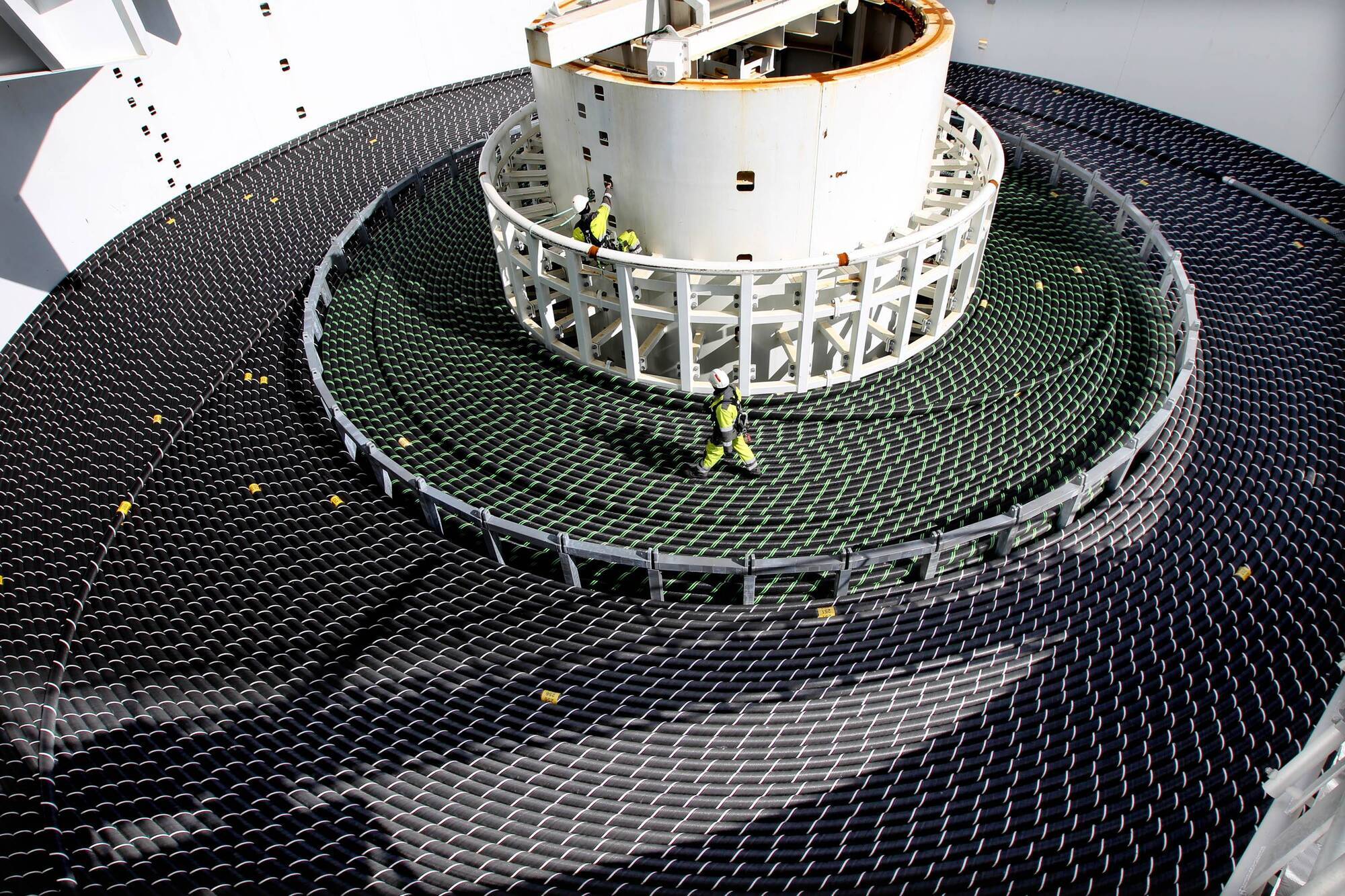
The first subsea link facilitating the exchange of electricity between the two countries, called the Celtic Interconnector, was granted planning permission from An Bord Pleanála in May and is expected to be operational by 2026. File picture
EirGrid should develop a second electricity cable between Ireland and France as EU reliance on Russian energy is labelled a “glaring policy mistake”, a new report argues.
A second cable would provide “greater security of supply” and “create opportunities for the Irish wind energy sector to sell directly to mainland Europe” as the industry grows in the coming years, the report said.
Since Brexit, Ireland has been “isolated from the continental European electricity market”, the paper said. The first subsea link facilitating the exchange of electricity between the two countries, called the Celtic Interconnector, was granted planning permission from An Bord Pleanála in May and is expected to be operational by 2026.
The paper, called , examines policy responses to Europe’s energy price volatility, which it argues has been ongoing since the beginning of the pandemic and pre-dates Russia’s invasion of Ukraine.
“A second interconnector will be necessary to manage security of supply and to help keep consumer prices down,” said Luke O’Callaghan-White, a senior researcher at the Institute of International and European Affairs (IIEA) and co-author of the paper.
A second interconnector would “enable Ireland to export wind energy as the Irish wind economy grows across the next decade. Yet at present there are no plans to develop another electricity interconnector between Ireland and France”.
The paper argues that “urgent reform of EU energy markets is needed to curb rising costs and secure supply” with a “long-term approach”.
Although the energy crisis is “not solely a consequence of the war in Europe”, the EU’s reliance on Russian energy imports is a “glaring policy mistake” amid “extreme market volatility” and a “surge in consumer prices for energy”, said Daire Lawler, an economics researcher at the IIEA and co-author of the paper.
As rising energy prices plague consumers worn down by the cost-of-living crisis, a “more durable response to inflation is urgently needed from Irish and EU policymakers, which must address structural factors in the energy system”, the paper said.
The researchers also warned that the EU should purchase gas as “one buyer” to secure supply and avoid winter blackouts.
As EU governments ramp up their decarbonisation efforts, the researchers said natural gas will “continue to be a necessary element of the European energy mix over the next decade”, and as such would need to reduce its dependency on Russian gas.
CONNECT WITH US TODAY



Be the first to know the latest news and updates