Lowering excise duty on petrol and diesel by 20% for six months would cost exchequer €249m
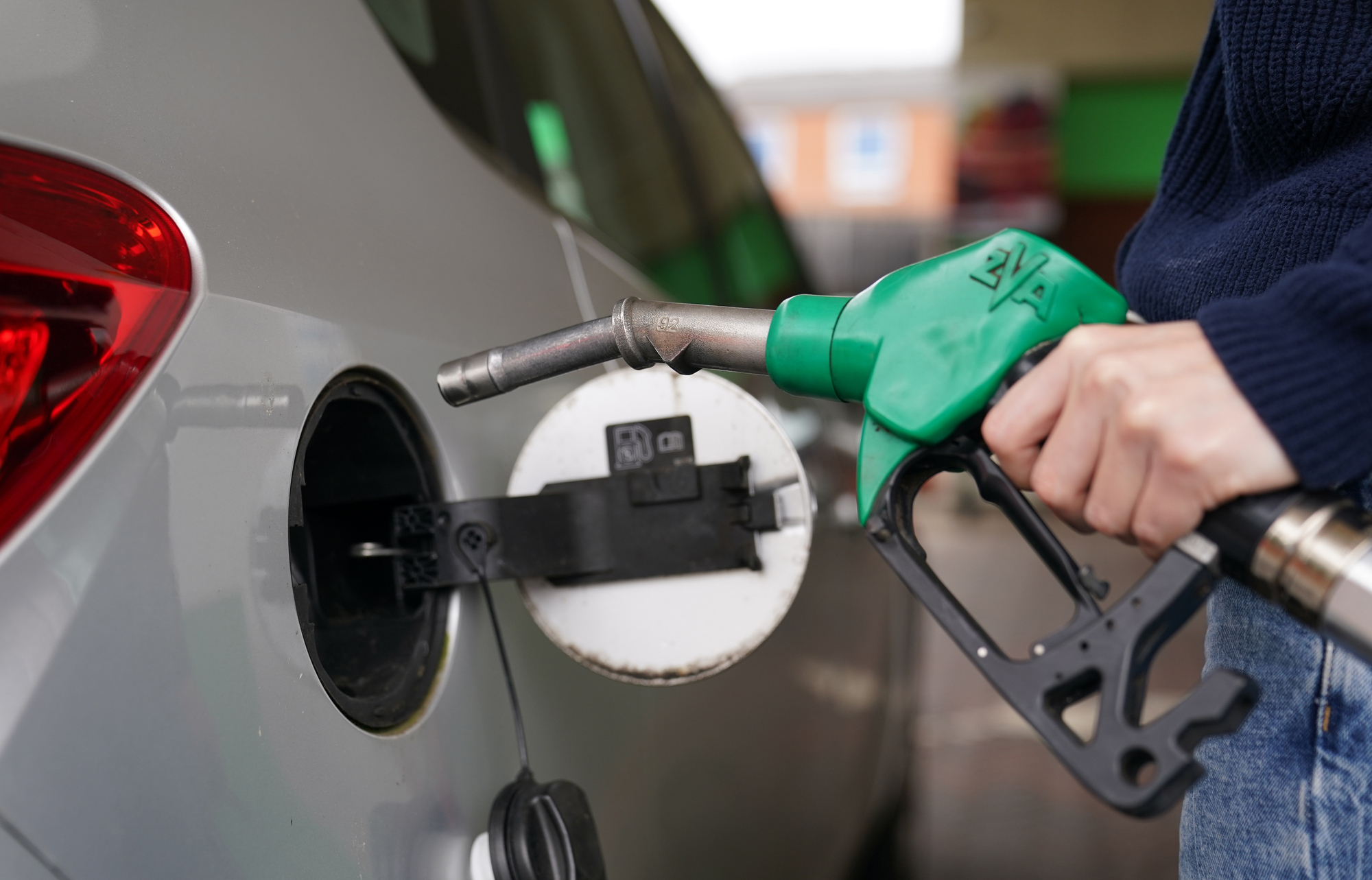
The reduction in excise duty in May had faced a deal of criticism given much of its benefit was swallowed up by rapidly increasing prices at forecourts across the country.
Reducing excise duty on petrol and diesel by 20% for six months would cost the exchequer €249m, according to new figures.
The new numbers, presented by the Department of Finance to the Public Accounts Committee, suggest that even a 10% lowering of excise duty and taxes on fuel for the six months up until December 1 of this year would cost the State €124m in lost taxes.
About 50% of the prices charged at Irish pumps at present stem from differing taxes, the largest of which being excise, followed by VAT at 23%.
With motorists increasingly stretched by various aspects of the cost-of-living crisis, skyrocketing fuel prices are firmly to the forefront of people’s minds, particularly those dependent on a fossil-fuel based car for their work.
A reduction in motoring excise of 20% would see the tax take from diesel sales drop by €187m over that six-month period, with the take from petrol falling by €62m.
The department said it merely monitors fuel prices in the “context of tax policy and energy products”, through sources such as the Central Statistics Office, with overall energy policy the responsibility of the Department of the Environment.
At the department’s appearance before the Public Accounts Committee on May 5, its officials were quizzed about the possibility of dropping excise further in order to alleviate the cost-of-living crisis, with secretary general John Hogan stating that diesel in particular is already being charged “at the minimum rate”.
Mr Hogan mentioned the Government had already cut excise on unleaded petrol by 20c per litre, and diesel by 15c, in response to the outbreak of war in Ukraine, saying that reduction “did have an impact on the cost of fuel”.
That reduction had faced a deal of criticism given much of its benefit was swallowed up by rapidly increasing prices at forecourts across the country.
At the time of the introduction of the excise cut, petrol prices in Ireland hovered around the €1.90 mark per litre — that figure is now closer to €2.20.
Head of communications with the AA Paddy Comyn said “any change would be very welcome” regarding the pricing of fuel, but added his belief that there is little appetite for same in Government.
“We’re talking about petrol and diesel a lot at the moment, because the Government is pulling in an extra €25m per month as a result of the increase in costs,” he said.
Mr Comyn said at present fuel could reach as high as €2.50 per litre in the not-too-distant future.
He acknowledged there was a need to move the country towards “greener products” which makes State intransigence regarding the cost of fossil fuels more understandable, but said the cost of an electric vehicle here is still problematic.
Mr Comyn said reducing or abolishing VAT on petrol may be a better approach towards easing the burden on motorists than cutting excise.
“Excise duty isn’t a perfect one to reduce as it can be often quickly absorbed by cost increases. A VAT reduction you’d see the impact straight away, and it’s cleaner. But whether or not there’s an appetite to do that I don’t know,” he said.

CONNECT WITH US TODAY



Be the first to know the latest news and updates