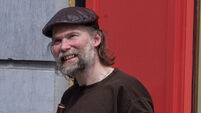
Meet Cork's bone collector working on the 'very, very rare' Nancy Spain’s dig
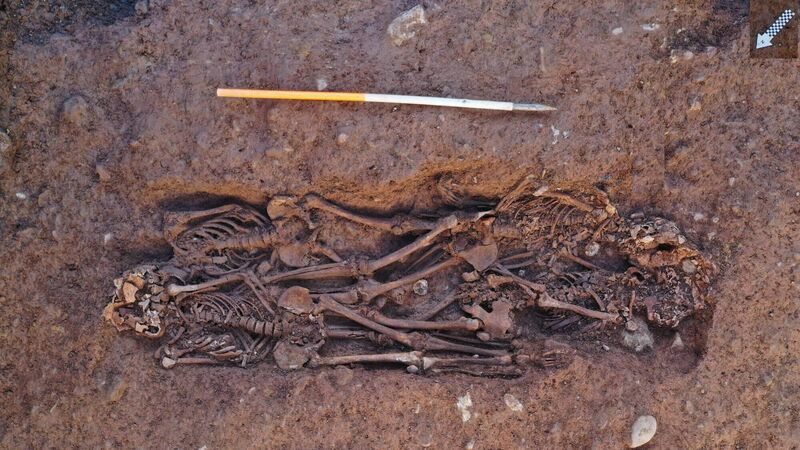
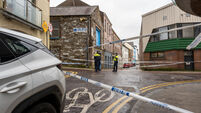
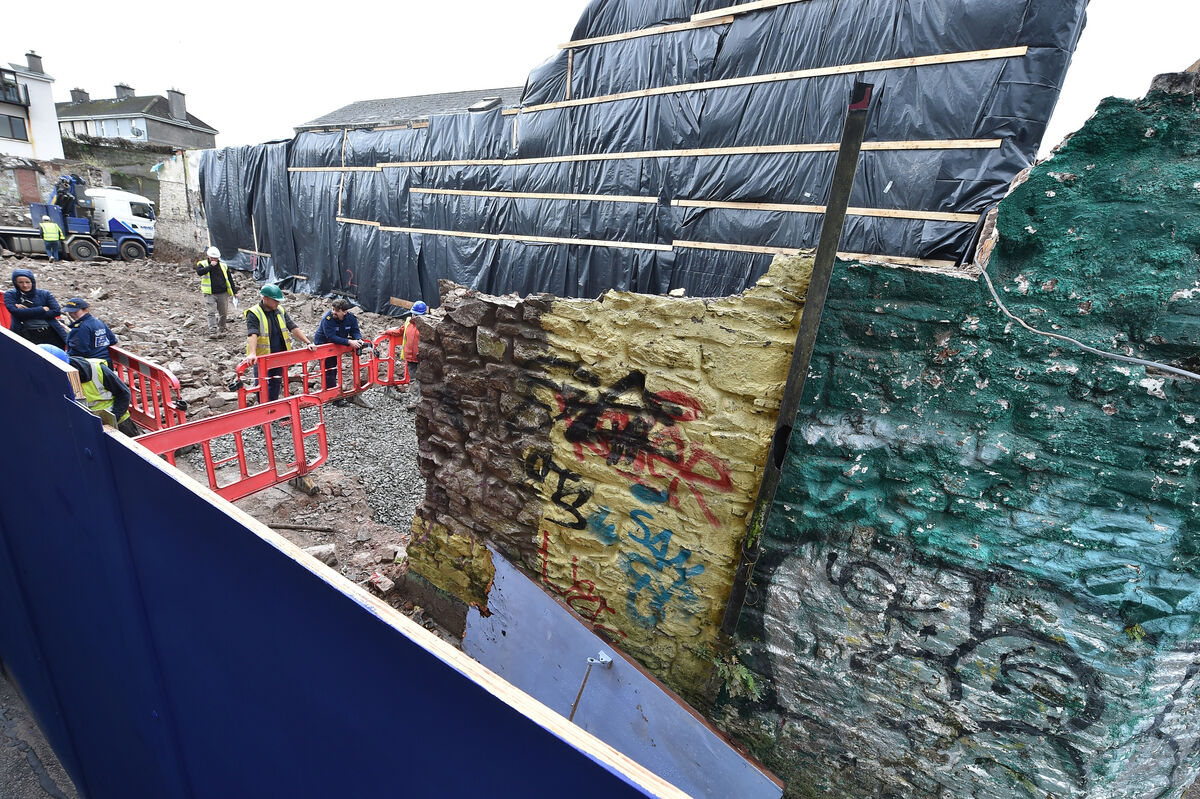
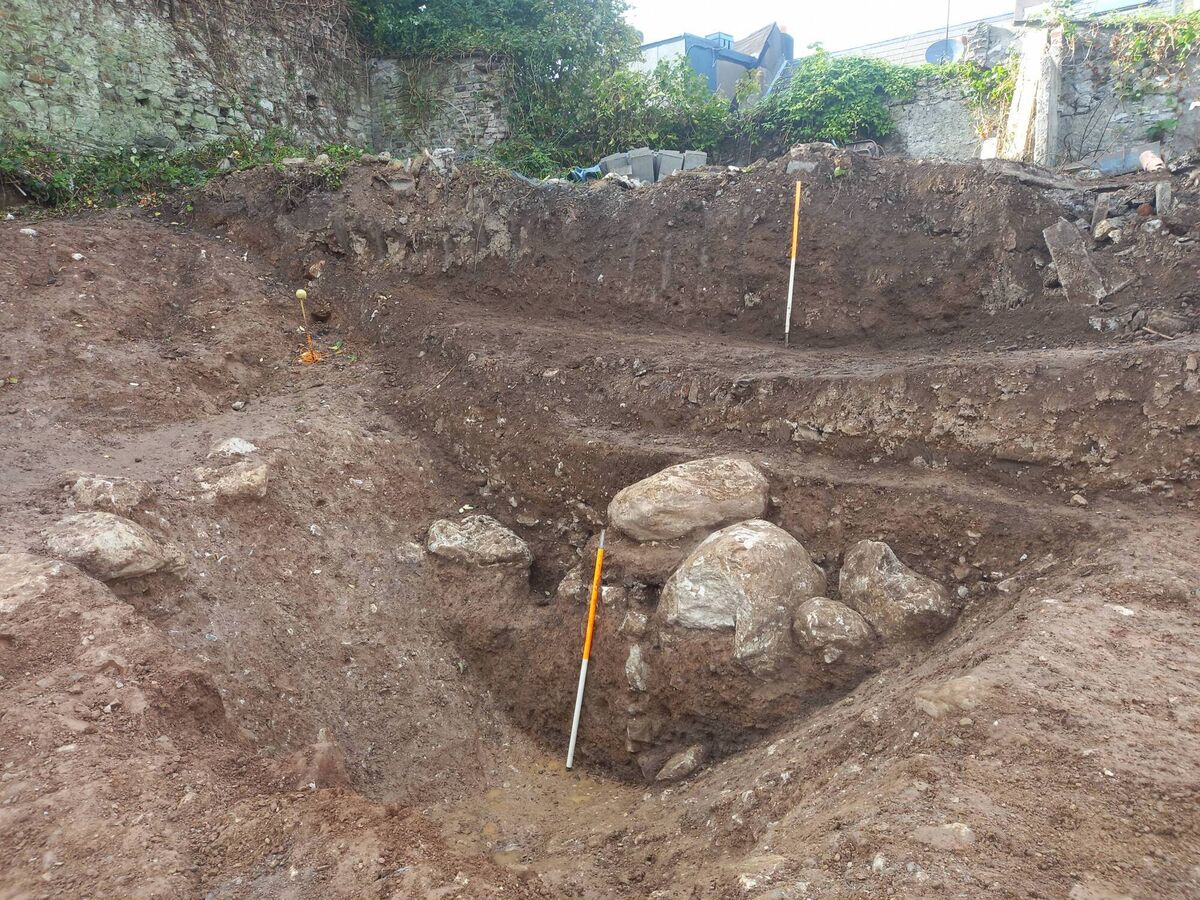
Archaeological investigations at, and adjoining, the site of the former Nancy Spain’s Public House, Barrack Street, Cork, have revealed unprecedented insights into the turbulent history and evolution of the country’s southern capital. The discoveries relate to two separate and distinct periods of Cork’s history. Picture: Claire O'Sullivan
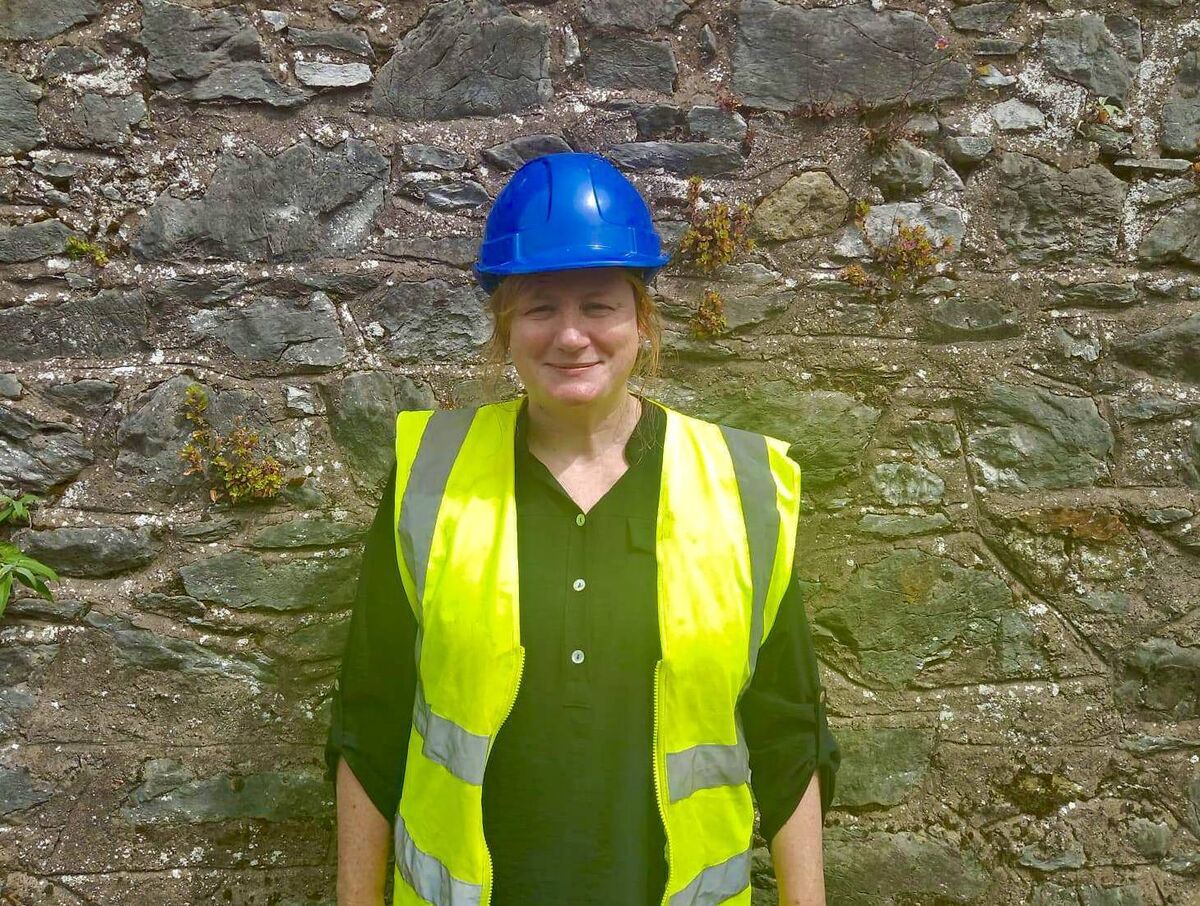
Collecting old bones is all in a day's work for historical crime scene investigator Niamh Daly, who unearths skeletons — and the mysteries locked within them — buried beneath our roads, pubs and homes.
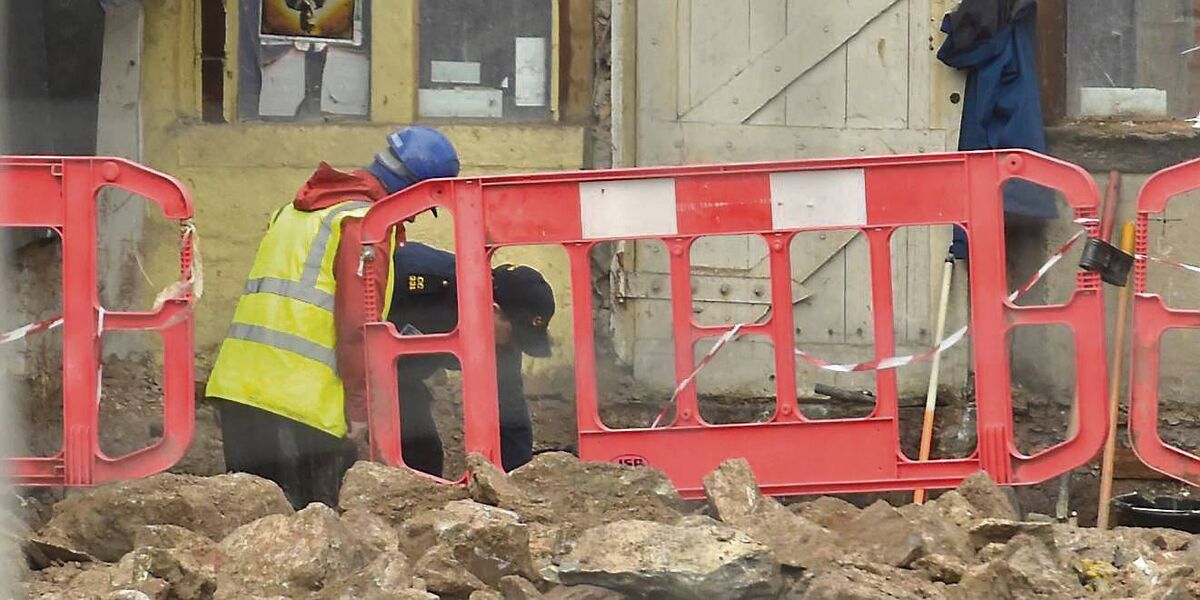
The osteoarchaeologist is currently working on the six skeletons found beneath the former Cork music venue and pub, Nancy Spain’s, located on Barrack Street in the heart of medieval Cork.
Despite having excavated and analysed many hundreds of skeletons, dating from prehistoric times, through medieval to the last 100 years, the Nancy Spain’s dig was “very, very rare”.
“In my career, I had never seen anything like it. I had read about it in international journals, people finding mass graves like that, but not in an Irish context. So it was very exciting. It still is very exciting.
“It's quite unusual in Ireland to have this kind of find, particularly in the position they were buried in with the arms and the feet apparently bound.”
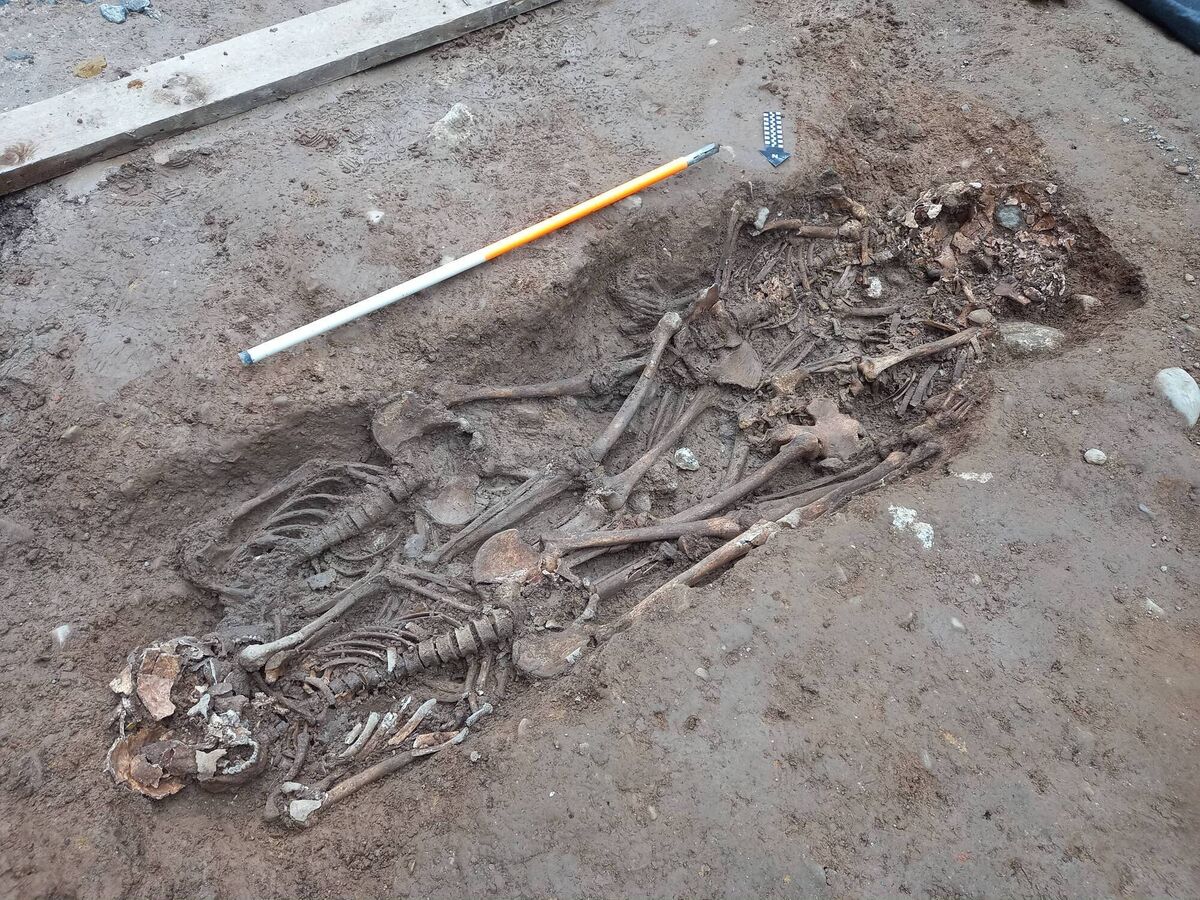
The first two skeletons found beneath the pub – labelled skeletons 1 and 6, were heavily fragmented.
A shallow mass grave containing the fully intact and articulated skeletal remains of four more individuals – labelled skeletons 2, 3, 4 and 5 – were then found.
It looked like they died violently - hands and feet bound before they were dumped in the grave.
Radiocarbon dating from two of the skeletons found that they would have lived between 1447 and 1636 – a turbulent time in Cork with the Desmond Rebellions, the Nine Years War and a revolt against English rule in Cork City.
Ms Daly said the Nancy Spain’s dig was initially “just a typical kind of a job that started with an interesting phone call.”
“But every callout is exciting. You just don't know what you're going to uncover,” she said.
“When I arrived at the site we had only uncovered Skeleton 1 at that time, which was really badly preserved.
“But as it went on, we found the larger mass graves."
Theories about the bodies and what may have happened to them may emerge in the autumn when a talk on the Nancy Spain’s find will be given following thorough analysis.
“We'll be able to recreate a bit of biography of their life – their age, their sex, their stature, and any pathological changes that we've noted on the bones.
“Was there any trauma? Was there any evidence of healed fractures or fresh fractures? And was there any infectious disease? For instance, scurvy, rickets, diet-related illnesses.”
These pathologies in the bone can be uncovered by analysing the bone and looking for any changes in it, she said.
The teeth can also reveal the person’s lifestyle and habits. Plaque and periodontal disease can be found, while grooves in the teeth can indicate growing up through times of famine or hardship.
Marks of a person’s occupation can also be left on the bone. Ms Daly found some skeletal remains who were likely once weavers, as little grooves were found on the teeth consistent with frequently pulling threads through your mouth.
“Bones can tell us about a person’s life and how they died,” she said.
“Sometimes, the evidence of the killing can be left in the bone. If someone was killed with an arrow, pieces of flint can remain buried in the bone.
“Then we can say, with some high degree of probability, the individual may have died from that injury.”
She has excavated and studied the bodies of all demographics, from babies to pregnant women to older people.
“It resonates with you if you see somebody had a broken leg or something quite deformed, you do wonder what happened to them.
“And they did not enjoy the medical advancements we have today so you wonder how much pain they were in.
“It could be a young boy with a broken leg and you wonder how in life he dealt with his physical disability.
“So you do get into their mindset.
“If you found a lot of trauma on a skeleton, you'd resonate with their pain.
“If we came across a pregnant woman who died in possible childbirth, as a woman that hits you hard.
“You have complete respect for what you're doing. You know, that you're dealing with human remains and that these were once living breathing people. So, that's always on your mind.
“A lot of people, even back a couple of 100 years ago, would have died of infectious diseases, like, like pneumonia, flu, that type of thing.
“But there’s no evidence of that left on the bone for you unless it was something chronic like TB.
“There are always different contexts of human remains that we find. We can find articulated remains which are in the anatomically correct positioning in the grave.
“Then we find disarticulated remains, which would be a jumble of bones.
“And then you'd have contexts where the bone has been burnt or cremated.
“So you never really know from day to day what you're going to find or what's beneath the soil."
She said that her career choice is unusual but very rewarding.
“Removing someone from a grave is an odd thing to be doing as a career.
“But by the same token, you've got to remember you're kind of rescuing them as well.
“One of the things that we always discuss first when we get to a site is: Can we preserve them in situ? Can we leave them alone? Can we record them as they are? Because, you know, who wants to be removed from their grave?
“We use our knowledge of the human skeleton and we use methodologies to analyze the remains and make an accurate interpretation of the individual from the evidence we have.
“It's trying to recreate the life history of the individual based on what survives in evidence.” Human remains are often dated by their burial methods, Ms Daly said.
“Our first evidence of humans in Ireland goes back to the Mesolithic, 9,000 years ago.
“As different cultures started arriving into Ireland, different rituals to do with Burial Rites and concepts of death and dying came too.
“So we would have started off with a lot of cremated or burnt bone leading up to and into the middle of the Bronze Age.
“In Neolithic times, we start to see those gigantic monuments like Newgrange being built and more smaller, megalithic tombs. So there was a concentration of cremation plus articulated bone being buried in these kinds of situations.
“When Christianity arrived, people started being buried as we often are today, aligning east-west, in anatomical order in the grave, hands placed over the pelvis.”
The condition of human remains is very dependent on soil acidity, burial environment and how well that can preserve them, Ms Daly said.
Finding objects – like jewellery or weapons – in the grave is unusual, she said, but if they do exist they can help tighten the timeframe in which the person once lived.
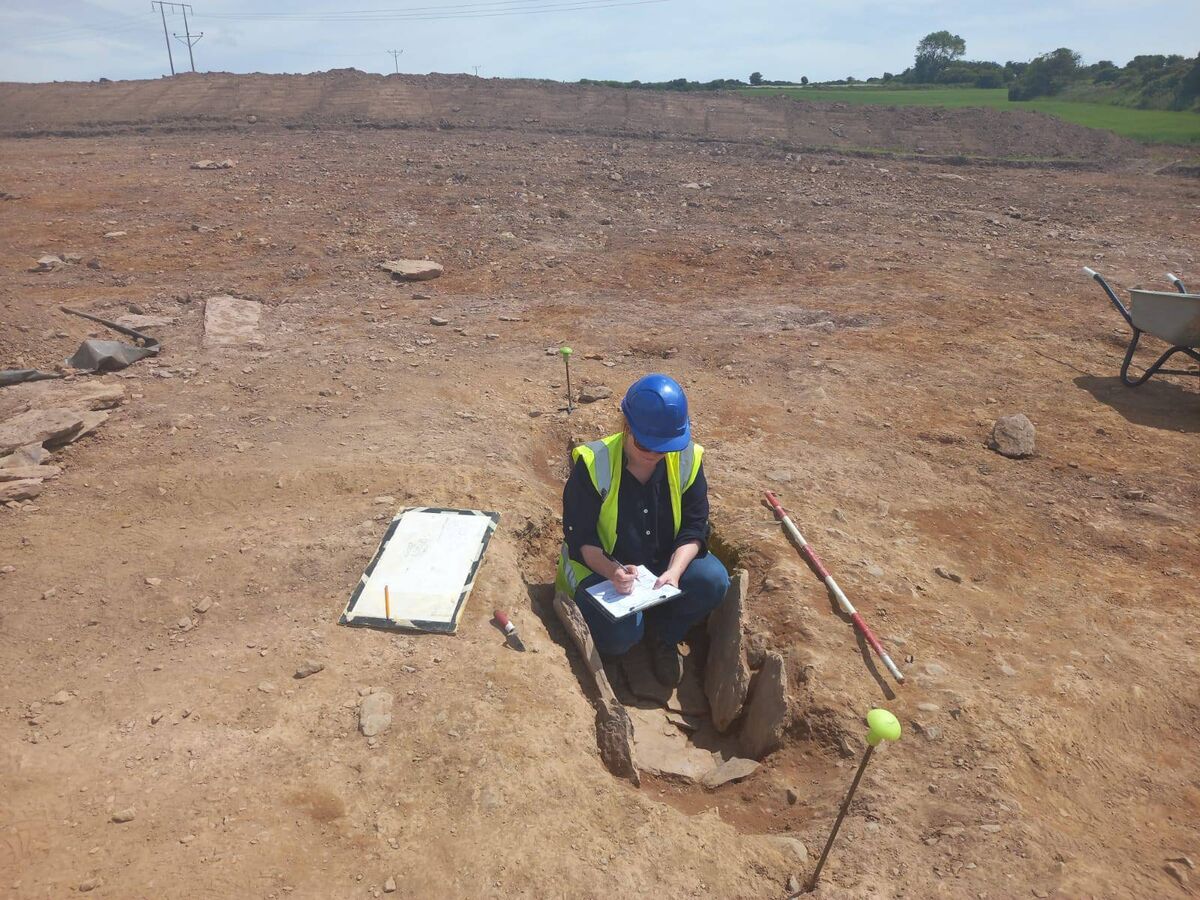
“It's very, very unusual to find associated grave goods with skeletal remains. You might get the odd belt buckle or something like that, or pottery.
“But bits and pieces of pottery could just be infill from when they dug the grave, so it may not be associated with that person’s culture at all.
“Sometimes you get a mix of things that could throw you off when you're trying to establish a date.
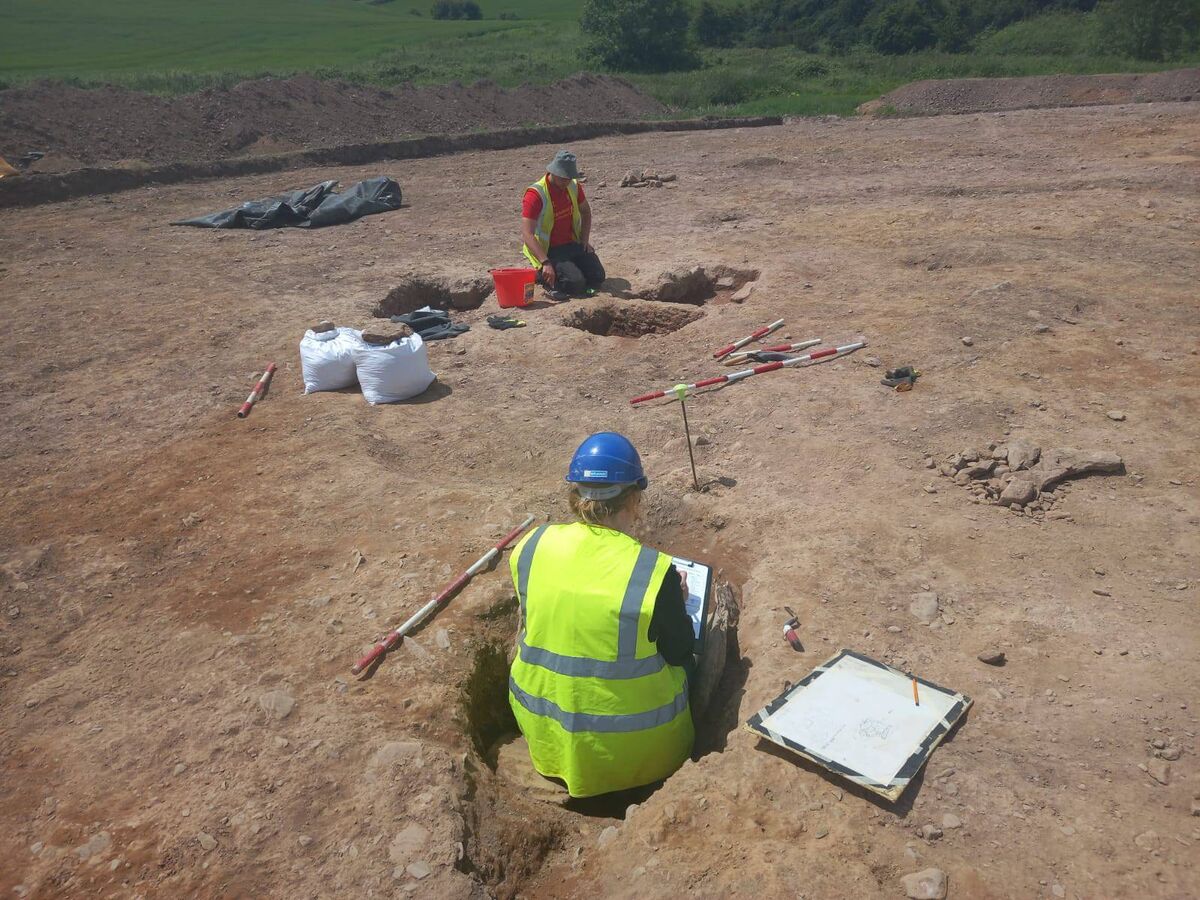
“When you’re called to a site, you try to estimate the time periods based on the archaeological context of the site.
“We can pinpoint more accurate dating if there were any grave goods or associated contexts in the site, and artefacts found that we can relate to the burial.”
Road projects during the Celtic Tiger uncovered many historic burial sites which brought new knowledge about burial practices of that period.
Building work in Cork City is now unearthing many more urban archaeological sites.
Archaeological sites were recently excavated at North Main St and the North Mall.
Ms Daly is just one of approximately 12 osteoarchaeologists working in Ireland, she said.
Her journey into this rarefied world began when she was a child, visiting archaeological sites with her family, stoking her interest in history.
She studied archaeology and geography at University College Cork. Travel in her 20s further deepened her love of archaeology and unravelling people’s stories of the past.
“I thought that was the most interesting aspect to really get to our past," she said.
She began her career working for commercial archaeological companies but has in recent years branched out into her own freelance work.
She now takes on freelance commercial jobs – like the Nancy Spain's site – where she monitors the site for a developer. But she also works in research.
She has almost finished her PhD and is currently working on a research project with Birdwatch Ireland to develop an isotope map which can then be used to better analyse historic human remains.
The project uses wood mice skulls – excreted by barn owls – to measure strontium (found in bedrock) and oxygen (found in water) levels to create this isotope map.


CONNECT WITH US TODAY



Be the first to know the latest news and updates