More than 400 Ukrainian schoolchildren to take part in new GAA initiative
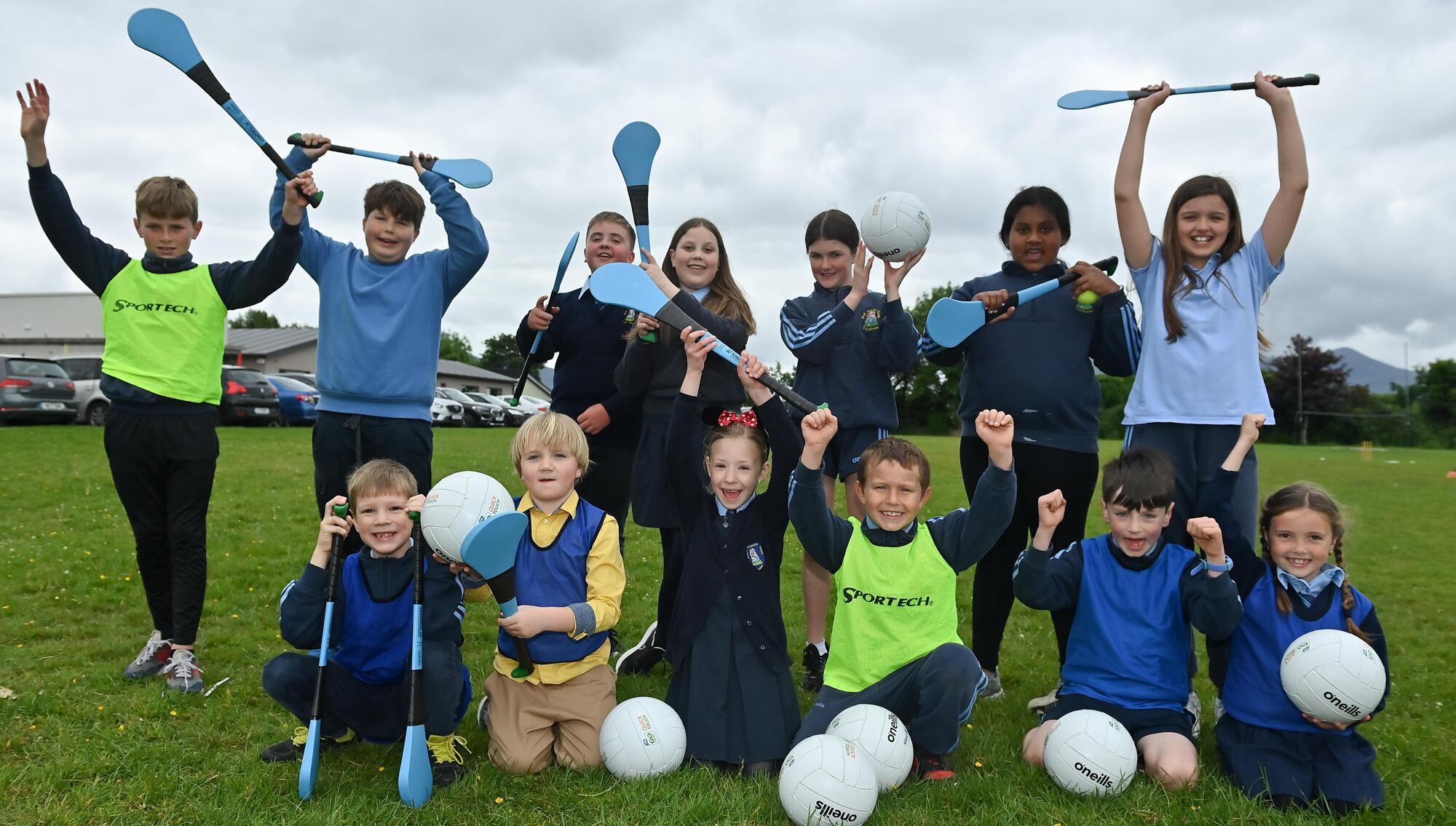
An initiative organised between Allianz and Cumann na mBunscol will support Ukrainian schoolchildren participate in local Gaelic game activities through their schools. Pictured are local and Ukranian students from St Oliver's National School, in Killarney, Co Kerry. Picture: Brendan Moran/Sportsfile
Twenty-six schools, which between them have enrolled almost 400 Ukrainian children, are taking part in a GAA initiative aimed at supporting their new students to take up our national game.
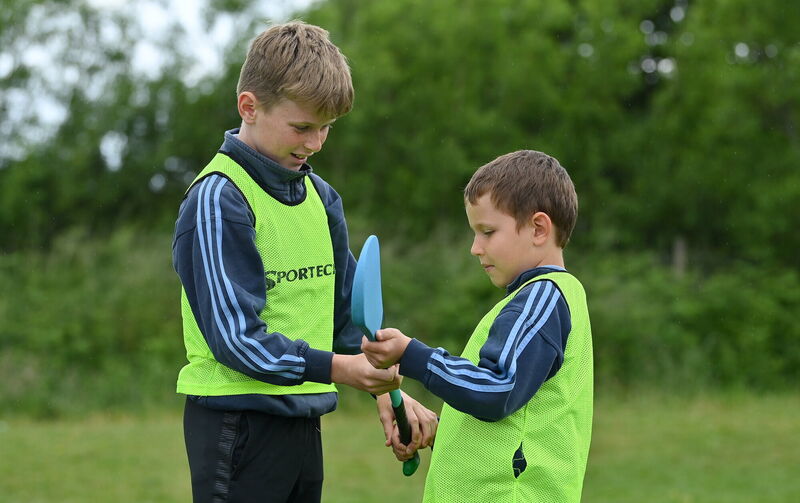
Organised between Allianz and Cumann na mBunscol, the schools from 15 different counties received 500 footballs, and 200 hurleys and sliothars to help Ukrainian students to connect with their local communities through playing GAA.
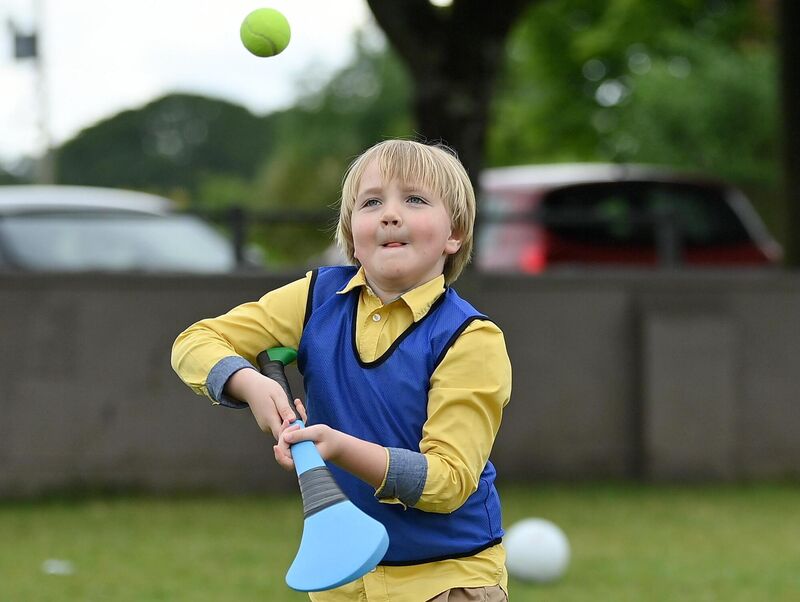
The equipment was delivered this week in advance of Cumann na mBunscol Week, which started in June 2020 to support Gaelic games in schools when it was not possible for teams to take to the field at the time.
Schools are playing such an important role in welcoming Ukrainian schoolchildren into our communities, said Joe Lyons, chairman of Cumann na mBunscol.
“By joining these local GAA activities, we hope the Ukrainian children feel welcome in our communities and learn the skills they need to enjoy our national games," he said.
"We look forward to working with all of the schools involved and seeing these children flourish.”
Alan Black of Allianz said: "Sport has always been such an important vehicle for integration, and GAA activities are often at the forefront of inclusion across our local communities."
By the start of June, almost 6,800 Ukrainian pupils had been enrolled in schools across Ireland.
Dublin has accommodated by far the most refugees in primary and secondary schools, with 819 and 373 respectively. This is followed closely by Cork and Kerry, which together have enrolled almost 1,300 pupils in total.
Statistics from the Central Statistics Office (CSO) show more than 33,000 Ukrainians arrived in Ireland since the war began, with the highest percentage of arrivals being children accompanied by one parent. Children accounted for 38% of those who arrived.
CONNECT WITH US TODAY



Be the first to know the latest news and updates