'Ireland must reverse a lost decade of biodiversity damage'
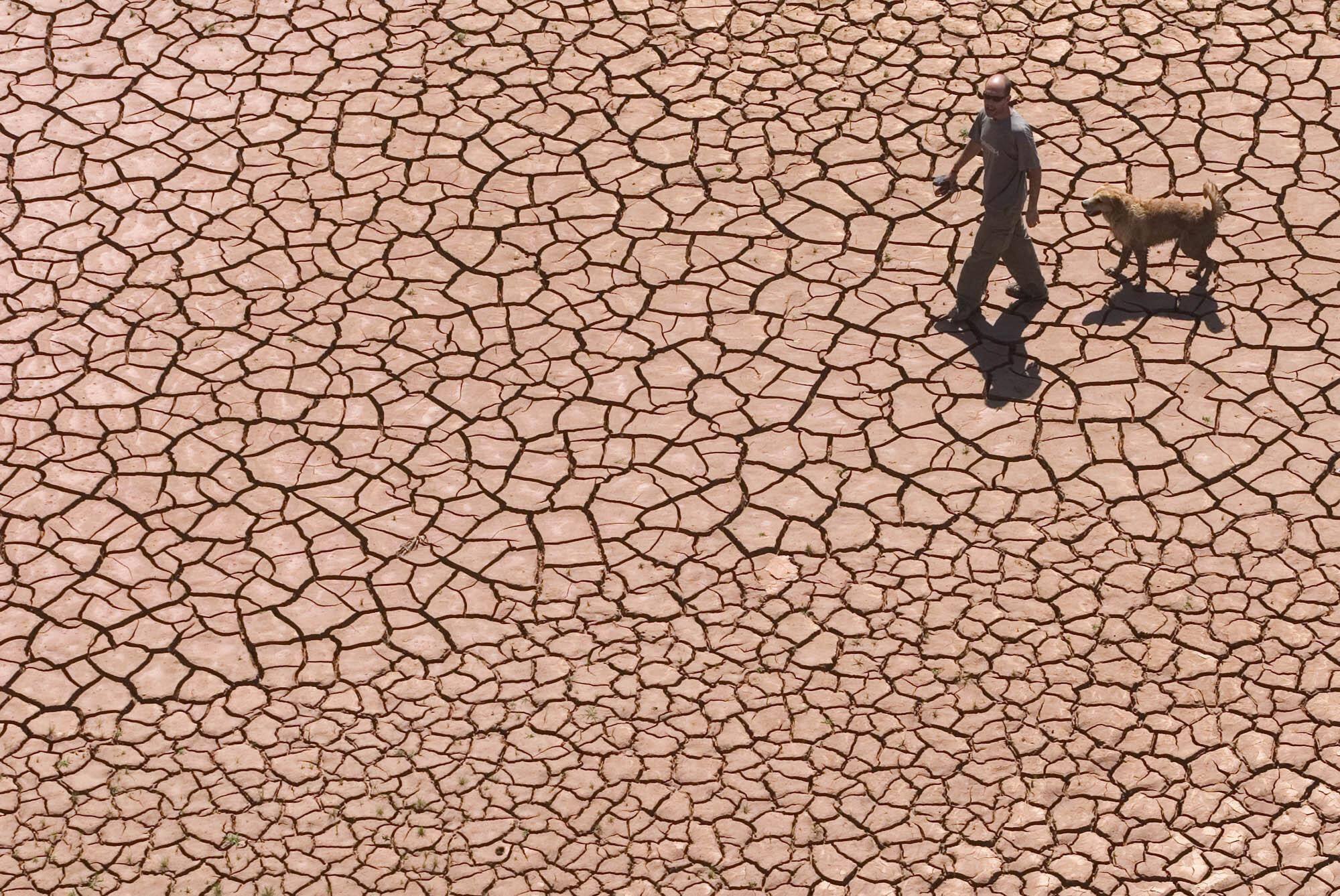
This image of a desiccated reservoir in Alcora, Spain, sums up our worst fears of the ravages of climate change — but the challenge posed by Ireland's barren hills and shrinking biodiversity is equally pressing, the National Biodiversity Conference heard. Picture: Fernando Bustamante/AP
Speaking after his address at the second National Biodiversity Conference which started in Dublin on Wednesday, minister of state for heritage Malcolm Noonan said the biodiversity crisis is directly comparable to the Covid crisis in terms of its severity and urgency.
“There’s been underinvestment particularly in my own department, in the National Parks and Wildlife Service [NPWS], so we have a huge amount to catching up to do even in just meeting our basic requirements under EU policy and directives,” he said.
“But we are doing that and we’re doing that at pace.”
The two-day conference, due to be addressed on Thursday by the Taoiseach, will go towards informing Ireland’s fourth National Biodiversity Action Plan which is due to be published next year.
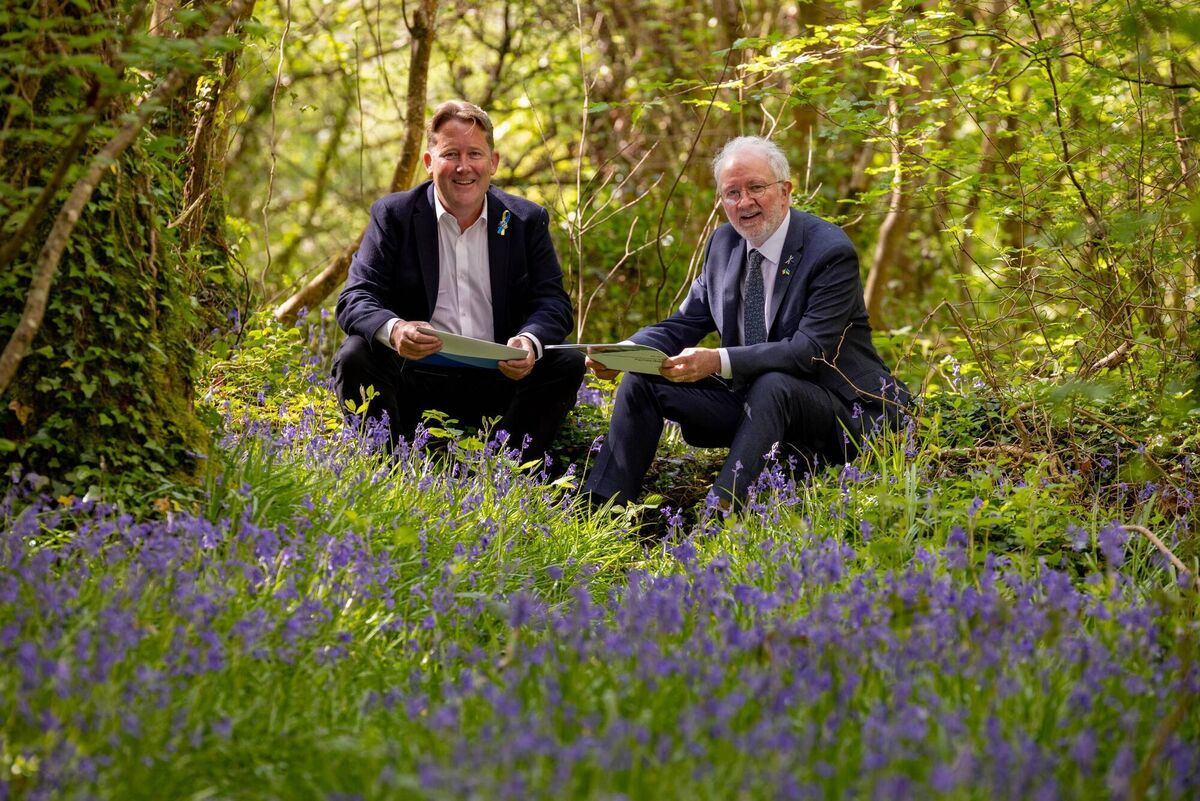
A draft of that plan was completed late last year and has been distributed to stakeholders. A public consultation is due to take place this summer.
Housing Minister Darragh O’Brien opened the conference, saying: “We know what we’ve got to do, it’s time to get on and do it.
The conference heard of significant investment in the National Parks and Wildlife Service and a restructuring to ensure it can play its part in Ireland’s response to the biodiversity emergency.
However, an increase in funding of 64% since 2020 has only seen staffing at the NPWS return to pre-economic crash levels, the conference heard.
The conference also heard of the creation of a new business for biodiversity platform, as well as six new biodiversity officers for local authorities.
Under a commitment made in the programme for government, all 31 local authorities would have a “sufficient number of biodiversity officers” among their staff. Figures recently released show just five local authorities have a dedicated biosecurity officer.
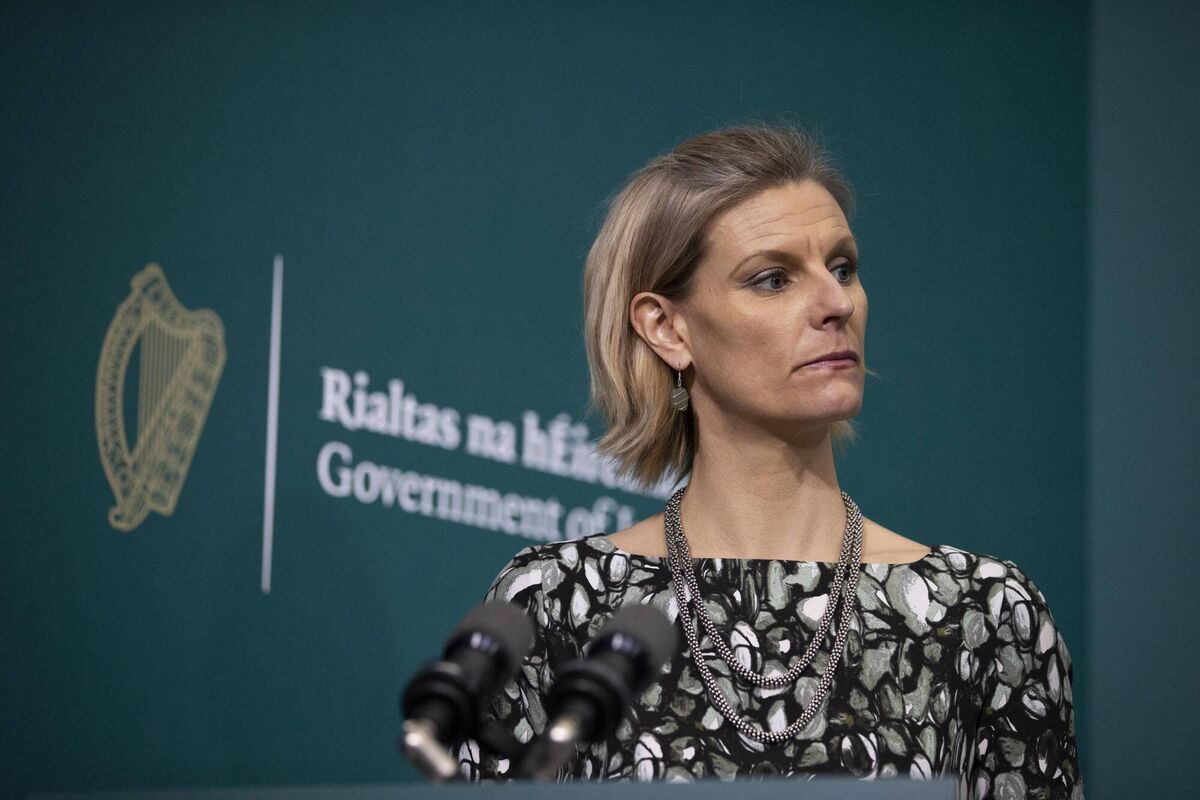
Stefan Leiner, head of the biodiversity unit at the European Commission, said that data over recent years paints a “very bleak picture of what’s happening with biodiversity” globally and that “fundamental and big change” is needed to reverse these trends.
He said it is up to individual states to designate more protected conservation areas.
“It can’t just be a conservation area on paper,” Mr Leiner said. “They have to be effectively managed ... for the very reasons they were designated as protected.”
Pippa Hackett, minister of state for land use and biodiversity, told the conference that farming practices “that damage biodiversity, damage life for us all”.
“If we are to tackle the biodiversity crisis, we will have to bring all farmers with us — from the most intensive to the most extensive, and every farmer in between — as we make that shift to an agricultural sector that works for biodiversity, instead of against it.” she said.
She added: “Our farmers are the ones we’re turning to in our hour of need”.
• The second National Biodiversity Conference continues today and can be streamed live online.

CLIMATE & SUSTAINABILITY HUB
CONNECT WITH US TODAY



Be the first to know the latest news and updates