Almost 70,000 children miss out on State dental appointments
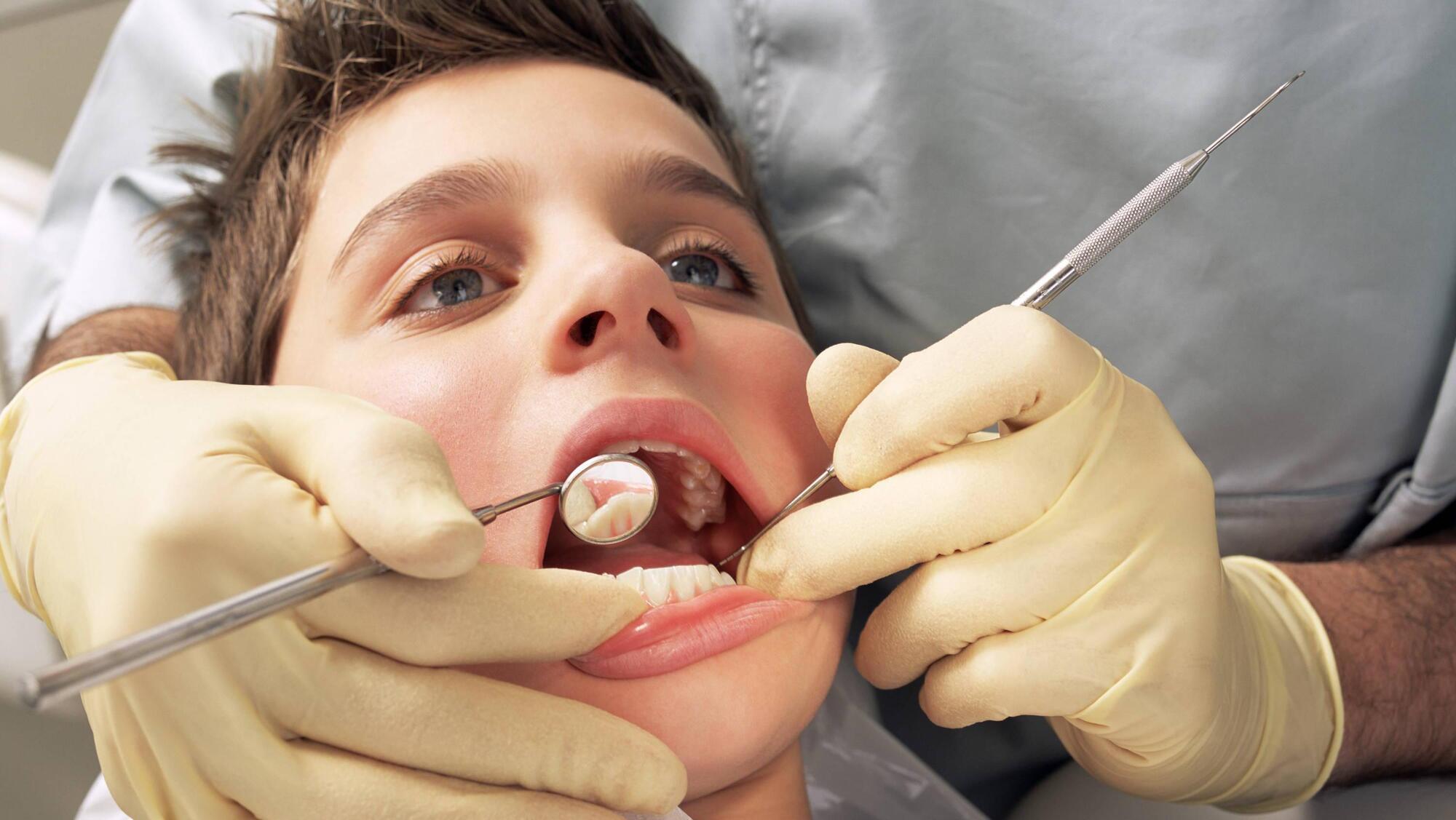
The department said the number of tooth fillings delivered to the population had declined by 40% in 2020 leading to “little or no prevention” of dental maladies. File picture
Nearly 70,000 children and adults with special needs failed to receive a first dental appointment from the Government last year, as the country reeled from the Covid-19 pandemic.
Just under 165,000 such dental appointments were never offered to the HSE’s target groups due to the impact of Covid across 2020 and 2021, the Department of Health said – a failure rate of 54%.
Such targeted assessments of young children and vulnerable adults are carried out each year to identify "preventive interventions and the need for restorative care" while monitoring the dental development of the target cohorts.
While a large shortfall had been noted in 2021 as compared to 2019, the department said that improvements had been made in the second half of the year.
It said the HSE’s dental services had been hit hard by the pandemic’s requirement for the redeployment of health care workers to Covid-specific roles, such as testing, contact tracing and vaccination, together with the implementation of infection control guidance.
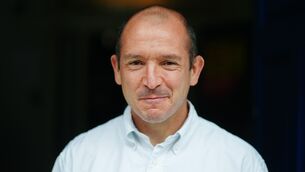
In an update for the Public Accounts Committee on the state of the nation’s dental services, the Department’s secretary-general Robert Watt said the HSE’s dental division had seen extensive redeployment predominantly for the purpose of testing and tracing, leading to a 23% reduction in available staff.
He said that, in certain areas, access to dental facilities had also been reduced due to their repurposing for pandemic-related activities, adding that the catastrophic cyber attack suffered by the HSE in May of 2021 had also had a “significant impact” on dental services.
The department said the number of tooth fillings delivered to the population had declined by 40% in 2020 leading to “little or no prevention” of dental maladies, while just 33 of 208 HSE dental facilities were still in use for that purpose at the end of 2020.
Likewise, for the facilities which remained open, Covid-related protocols such as cleaning between patients had reduced the number of patients being seen each day once services resumed.
Access to general anaesthetic dental treatment for patients remains limited at present, the department said, with all patients undergoing such a procedure still requiring Covid tests prior to attendance.
While most HSE oral health staff have now returned to their primary duties, the briefing note said, the capacity of the service remains reduced due to “strict adherence to physical distancing and enhanced infection prevention and control measures”, leading to a necessary need to “optimise the resources available”.
Actions being taken to regain the ground lost to the pandemic in terms of targeted dental care include children, who are yet to receive an initial dental assessment and adults with special care needs, being given the “highest priority”, followed by children of sixth class age.
Mr Watt said that the Dental Treatment Services Scheme, which provides free dental care to medical card holders aged 16 and over, had seen the number of contractors actively providing care decrease “substantially” since the beginning of the pandemic.
In response, Minister for Health Stephen Donnelly approved increased fees for contractors in April of this year.