Special education centres 'won't fly' with the public, says Harris
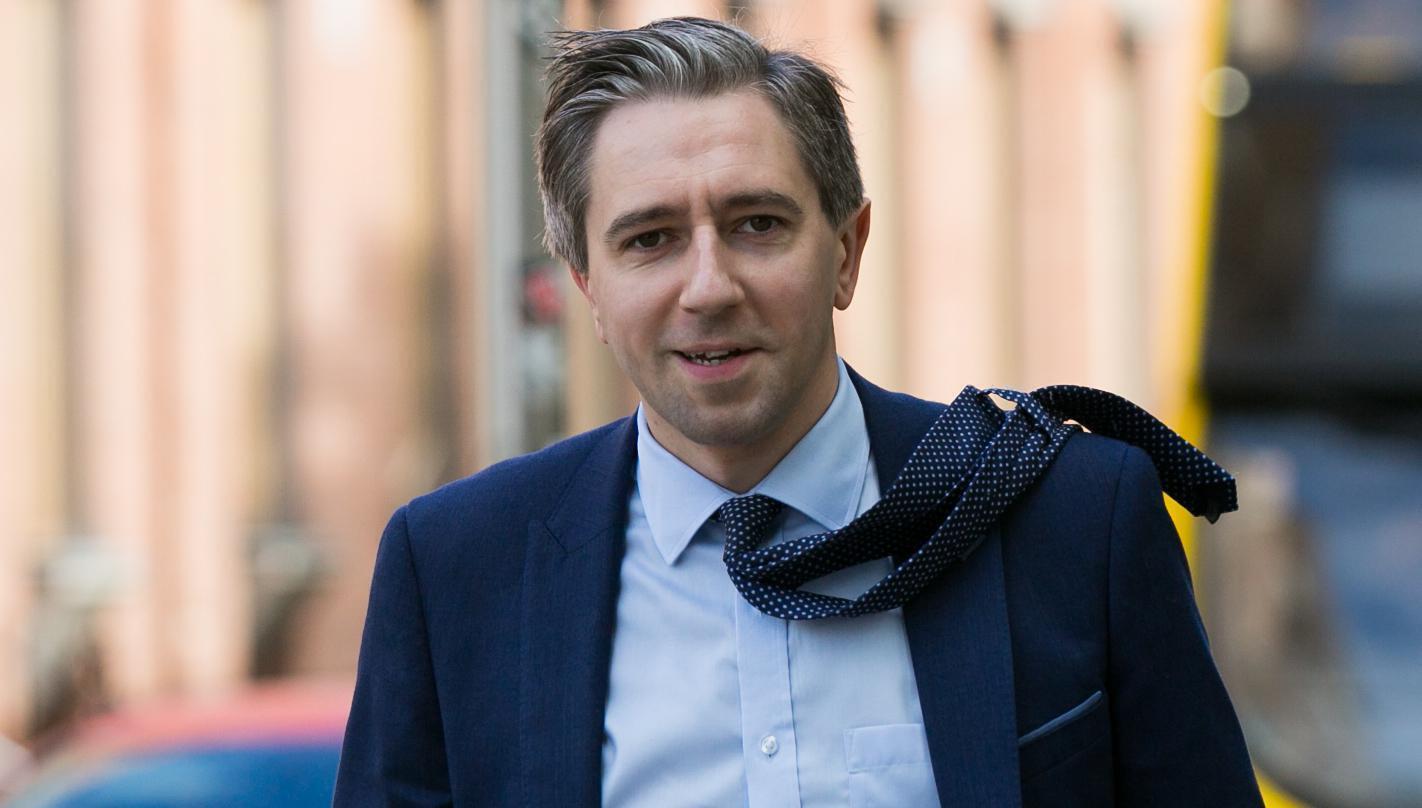
Special education centres 'won't fly' with the public, says Harris

 Simon Harris: 'We have made a lot of progress as a country in relation to special needs education and inclusion in general. We just need to be very careful we don't go backwards.'

Building special education centres for children with autism instead of guaranteeing them school places is not "where we want to be and it is not where we need to be," according to Minister for Further Education Simon Harris.

The Irish Human Rights and Equality Commission (IHREC) was amongst those who had criticised proposals by the Government to build special education centres. They cited the move as fundamentally at odds with the word and spirit of the UN Convention on the rights of people with disabilities.


Speaking to RTÉ's Today with Claire Byrne, Minister Harris said that the proposal was not a good one.

"It is not a good one. It is not going to fly. I base that not only on my own view but on the views of people I know.

"We have made a lot of progress as a country in relation to special needs education and inclusion in general. We just need to be very careful we don't go backwards."

'A lot of hurt'

"Minister (Josepha) Madigan is doing an incredible job in really trying to increase classrooms, working with schools, using new powers she has under the law. This was an idea that landed in a way that it was never meant to.

"It possibly got into the public domain in a way it was never meant to. It was meant to be consulted, discussed. That is not what happened. It caused a lot of hurt last week.” 

He described Minister Madigan as a "progressive" person who will listen to advocacy groups and will come up with a way forward.

Last week Sinead Gibney, Chief Commissioner of the IHREC, told RTÉ Radio that Ireland has worked very hard to shift from a very outdated medical and patriarchal model of disability towards a rights-placed one where people have rights to education and work. "Those people who have disabilities have rights alongside everybody else. And that is really kind of problematic when we look at this. Because when we talk about education, what that right looks like is a right to an inclusive education.

"It is a very segregated model of education where children are othered and removed from mainstream schooling.” 

Compliance

Ms Gibney said even if such centres are temporary measures they have to fit with the guidelines and obligations of the Conventions of the Rights of People with Disabilities.

“I would have concerns that the energy and efforts and resources of this temporary fix should instead be going to address the mechanisms which are currently preventing the Government from doing that.

"We know and we heard discussion around the Section 37 A mechanism which can allow the minister to compel schools to open these classes. Why not put your efforts there into making that legislation a better fit for purpose and something that can be activated within the time frame?” 

Ms Gibney added that the Department of Education should be focusing efforts on introducing emergency legislation to compel schools to open classes.

“And whatever the emergency or stop-gap proposals are they should still be compliant with our vision for an inclusive education for all children."

More in this section

Lunchtime News

Newsletter

Keep up with stories of the day with our lunchtime news wrap and important breaking news alerts.

Cookie Policy Privacy Policy Brand Safety FAQ Help Contact Us Terms and Conditions

© Examiner Echo Group Limited