Food shopping drops as grocery inflation reaches nine-year peak
Food shopping drops as grocery inflation reaches nine-year peak

Kantar also predicted that the trend in grocery inflation may continue and the effects will be seen “for months to come”. File picture

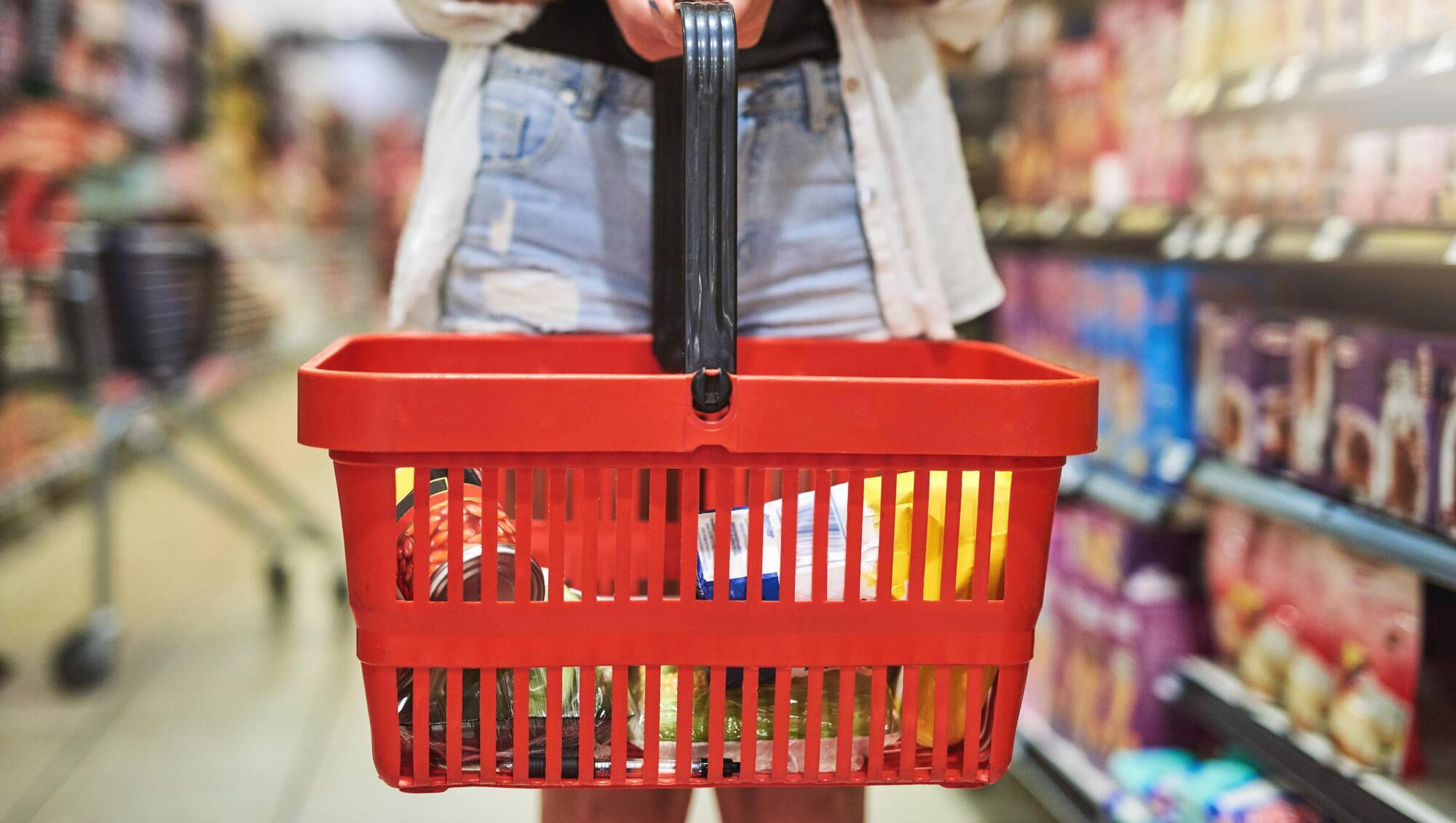
Households are planning to cut back on the amount of food they buy, as the latest figures show that grocery inflation is at its highest level in almost nine years.

The latest research from Kantar shows that prices in supermarkets rose 5.5% in the last 12 months, the highest annual rise since August 2013. Coinciding with that is a fall in take-home grocery sales of 6.5% in the last 12 weeks to May 15, 2022, as customers spend less on trips to the shops.

These figures reflect data from the Central Statistics Office, which shows that staples like milk, bread and cheese have all risen in the last year. 

Kantar said that people are shifting their behaviour to manage rising costs, as consumers also deal with huge energy bill hikes and rising fuel costs.

David Berry, managing director for Kantar Worldpanel Ireland, said that with food and drink prices continuing to climb, the impact on grocery budgets is “unavoidable for many people”. “People are now making four fewer trips to the supermarket on average per month than they were this time last year,” he said.

“Similarly, branded items – a firm favourite when we were treating ourselves more during the Covid-19 lockdowns – previously made up more than 50% of grocery sales in 2020 and 2021. We’re now seeing clear signs that people are turning to retailers’ own-label items instead, which are usually less expensive.” 

Mr Berry said this switch to cheaper alternatives has seen brands’ share of grocery spending drop 49% in the last 12 weeks, which is equivalent to a €29 million fall.

Despite these cost-of-living pressures, however, sales of some items have received a boost heading into the summer period. Sales of BBQ meats such as burgers and sausages have increased by 2% in the last 12 weeks while prepared salads have had sales rise by 8%.

An extra €5 million has gone through the tills with a 5% rise in soft drinks sales also.

“It’s likely that sales of these items will keep rising as we make the shift to more summery foods and leave the soups and stews behind, but prices are going up too,” Mr Berry said. 

“A trip to the supermarket to buy BBQ meat, salad, and soft drinks will now cost you €1 more on average in total than it would have last year.”  Kantar also predicted that the trend in grocery inflation may continue and the effects will be seen “for months to come”.

When it comes to the market share for different supermarkets, it remains tight at the top as Dunnes Stores retained its position as Ireland’s top retailer for the sixth consecutive period this year on 22.3%.

Tesco is slightly ahead of Supervalu in second place, with a market share of 21.9% compared to 21.7%. Lidl, meanwhile, has a market share of 13.1% while Aldi has 12.2%.

Mr Berry added that sales remain down on last year, at a time when Covid restrictions were still widespread and “people were far more reliant on supermarkets to stock up their cupboards”. However, across the board, spending in supermarkets is far higher now than it was in the same period in 2019.

On average, across all major supermarkets, sales are up 11.9% on the same period in 2019. Lidl is benefiting from the largest increase in spending, up 24.3% on 2019 levels.

More in this section

Lunchtime News

Newsletter

Keep up with stories of the day with our lunchtime news wrap and important breaking news alerts.

Cookie Policy Privacy Policy Brand Safety FAQ Help Contact Us Terms and Conditions

© Examiner Echo Group Limited