Simple tools can boost people's savings habits, new research finds
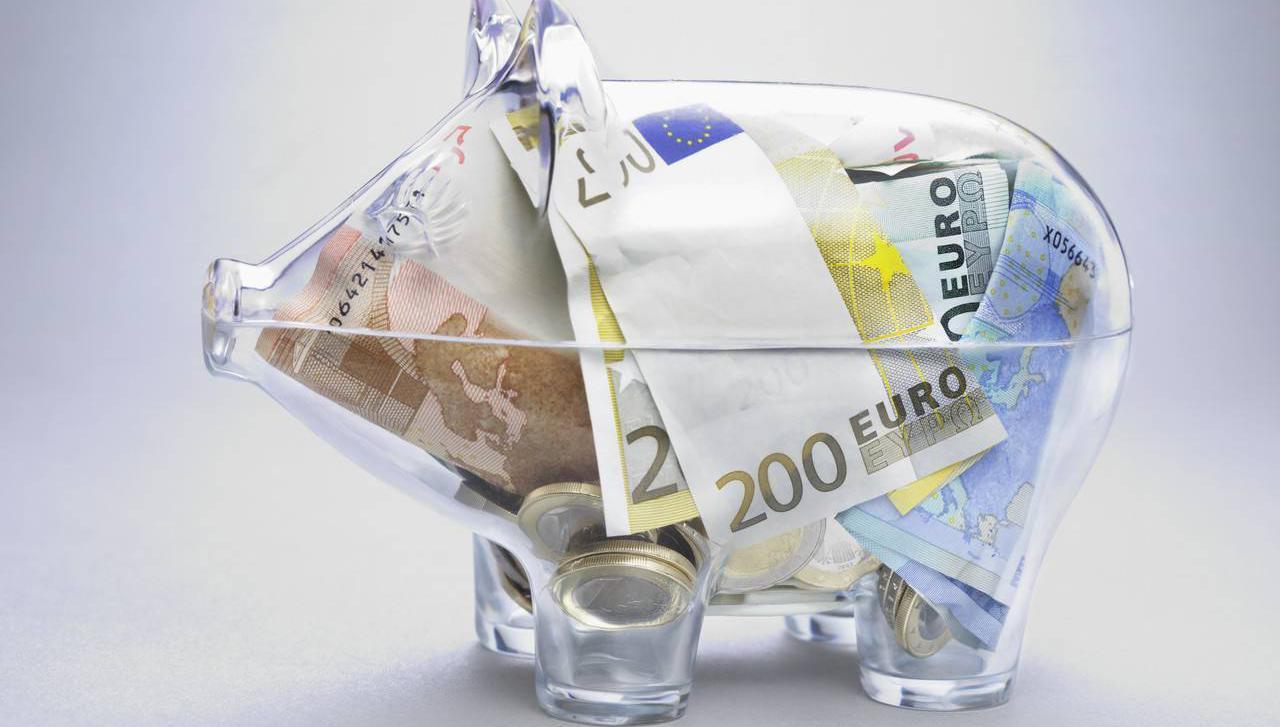
'Building up savings as a buffer against the unexpected is important for financial wellbeing but many people who could save for the unexpected don’t do so.' Picture: Roy Botterell
Small interventions like altering application forms, using interactive calculators and using infographics can influence people to develop savings habits and to put money away for a rainy day, new research has suggested.
The “first of its kind” research from the Economic and Social Research Institute (ESRI), and funded by the Competition and Consumer Protection Commission (CCPC), shows that putting information in front of consumers about the likelihood of future “financial shocks” can be a key motivator in helping them save money.
The research trial involved real consumers in a large-scale randomised controlled trial which looked at the impacts of behavioural science interventions on whether people open a savings account and engage in precautionary saving. The data was facilitated by Bank of Ireland.
One such intervention involved changing an application form.
The study said: “A savings account application form with a combination of evidence-based nudges and boosts — such as changing the order of questions and adding a calculator tool — led to an increase of 27%-40% in account openings among customers, relative to a form already in the market (and that was in many ways ‘behaviourally-aligned’).”
Furthermore, an email campaign to customers advising them of the risks of financial shocks led to a 20% increase in savings accounts relative to the bank’s marketing campaign, which centred on financial wellbeing.
Introducing flexible commitments to an account to only withdraw for specific reasons, such as a car breakdown, was also effective.
“There is likely a net benefit to consumers having a small financial buffer,” the research added
On foot of this research, the CCPC has published guidance for banks on how to encourage their customers to get into good savings habits using these behavioural insights.
CCPC chairperson Jeremy Godfrey said: “Every year, most people face at least one unexpected financial shock — such as the need to spend money on repairing their car or their boiler.
“Building up savings as a buffer against the unexpected is important for financial wellbeing but many people who could save for the unexpected don’t do so.”

CONNECT WITH US TODAY



Be the first to know the latest news and updates