Vets and veterinary nurses suffering from high stress levels
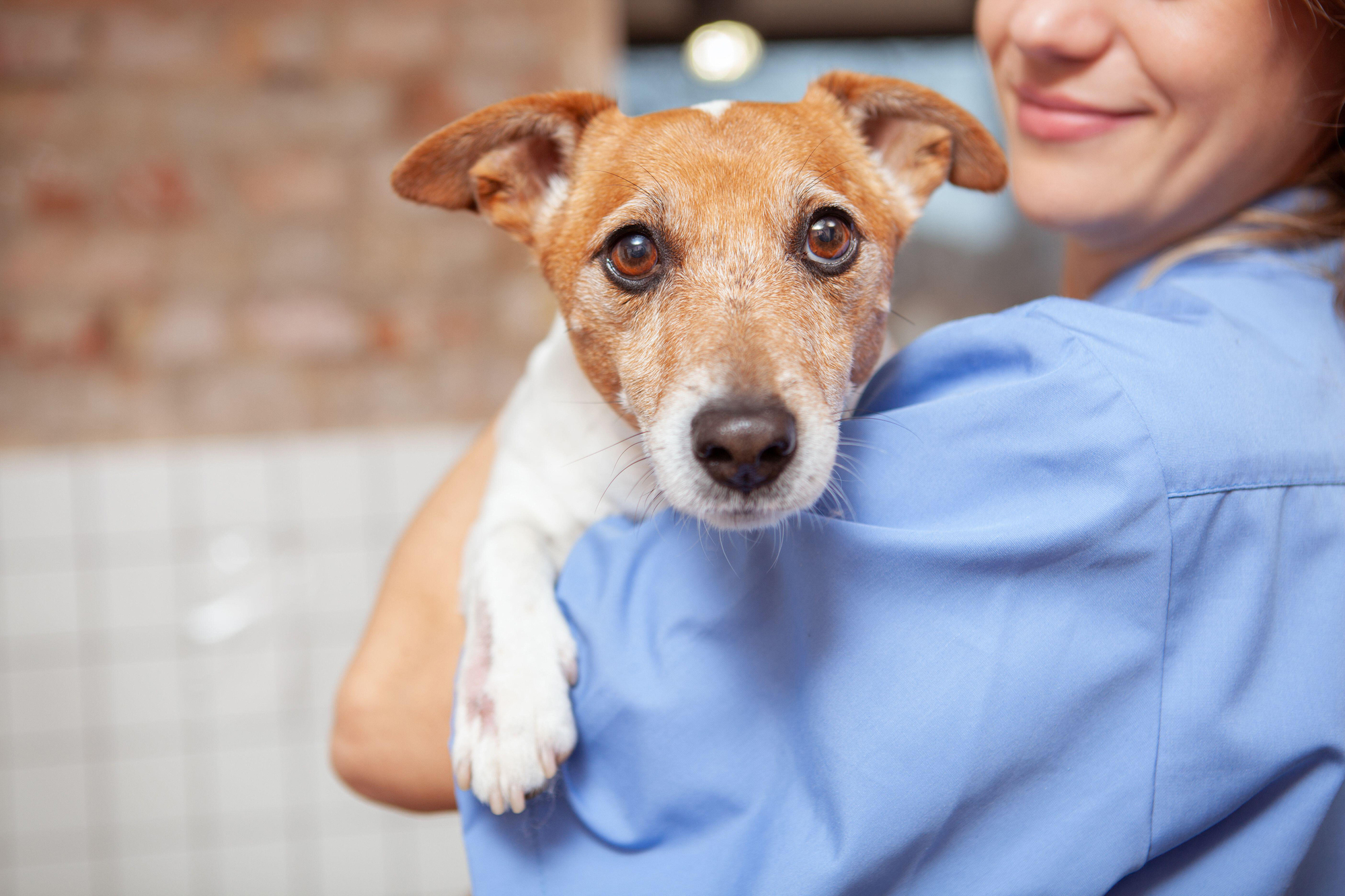
The Veterinary Council of Ireland carried out research to gain deeper insight into the factors affecting the mental health of Ireland’s veterinary professionals.
More than 40% of Irish veterinary professionals are suffering from abnormal levels of stress, according to research from the Veterinary Council of Ireland (VCI).
The research was conducted in collaboration with the HSE National Office for Suicide Prevention (NOSP) and the National Suicide Research Foundation (NSRF) in April 2021.
It touched on topics such as depression, anxiety, stress, burnout, deliberate self-harm, and suicide.
The anonymised research looked at 747 registered veterinary practitioners and veterinary nurses in both employee and managerial roles, a figure which represents 18% of all registered vets and vet nurses in Ireland at the time of the survey.
High anxiety was reported across all roles, with 34.7% reporting normal levels of anxiety, 22.9% in the borderline abnormal range, and 42.5% in the abnormal range.
However, the study shows that Irish veterinary professionals are at no greater risk of suicide than the general population in Ireland, based on a comparative study carried out by Maynooth University in 2020.
President of the Veterinary Council of Ireland Vivienne Duggan said that mental health in the veterinary profession is an often overlooked topic.
“By conducting this research, the VCI hopes to gain deeper insight into the factors affecting the mental health of Ireland’s veterinary professionals,” Ms Duggan added.
Participants were presented with a list of stress factors and asked to indicate which they are exposed to.
The most commonly selected stress factors included struggling with work-life balance (74.5%); long working hours (66.4%), and out of hours care (38.1%).
Salary (33.8%), recruitment (31.8%) and retention (24.6%) were also common stress factors.

CONNECT WITH US TODAY



Be the first to know the latest news and updates