Taoiseach condemns Russian train station attack as 'genocide'
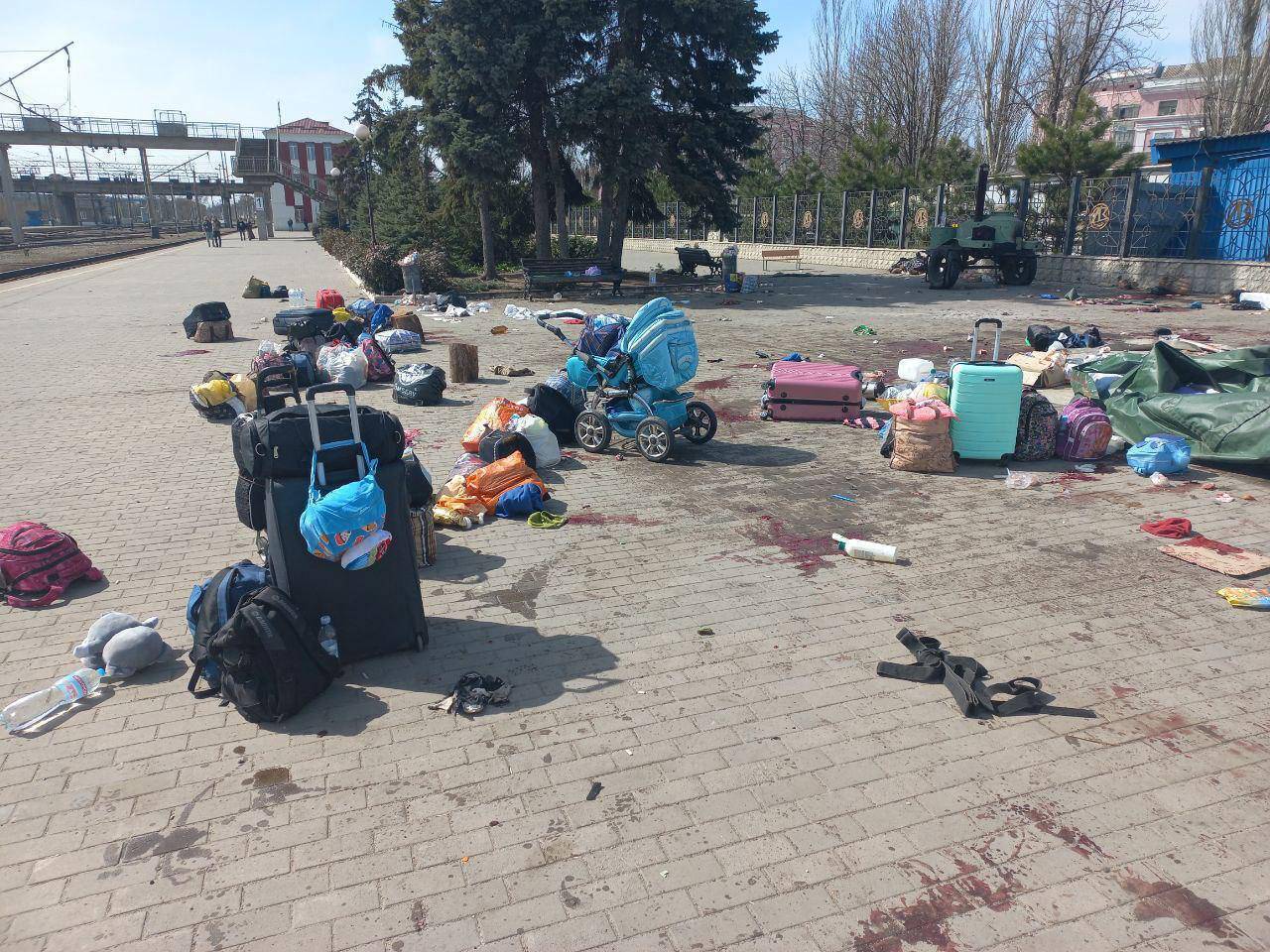
Belongings of civilians are seen after the attack at Kramatorsk railway station in Ukraine. Picture: Ukranian Presidency/Anadolu Agency via Getty Images
Taoiseach Micheál Martin has declared that the Russian missile attack on a Ukrainian train station — which killed at least 52 civilians — has reached the threshold of “genocide”.
The Taoiseach made the comment in a tweet he issued following an official trip to Finland where war crimes by the Russian military in Ukraine and the security policy of Ireland and Finland dominated.
We utterly condemn the slaughter of innocent civilians at Kramatorsk train station today.
— Micheál Martin (@MichealMartinTD) April 8, 2022
The horrific attack is further evidence of the barbaric nature of Russia’s war on #Ukraine.
This is genocide. And those responsible must be held to account.
Up until now, the Irish Government has referred to "war crimes" and "crimes against humanity" in its condemnation of Russian military atrocities affecting civilians in Ukraine.
The UN Genocide Convention places an obligation on signatories to act to “prevent” genocides, in addition to prosecuting those responsible afterwards.
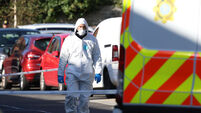
At least 52 civilians are estimated to have been killed when a Russian missile hit outside the train station in eastern Ukraine, where thousands were captured on video the previous day waiting to evacuate the area, which is under threat of Russian attack.
Commenting on the Taoiseach’s remarks, Professor Ben Tonra of UCD School of Politics and International Relations said: “If you take that attack and others alongside statements from Russian President that Ukraine as a nation does not exist - and his stated ambition that Ukrainian state be disassembled - then the concept of ‘genocide’ – i.e. elimination of a national group - does come into play.
“I’d be cautious on the use of the term only to ensure that it is not devalued. At the same time, it does establish the demand that responsibility and accountability for war crimes and/or genocidal actions is assigned. The Taoiseach is properly flagging that this must be judged.”
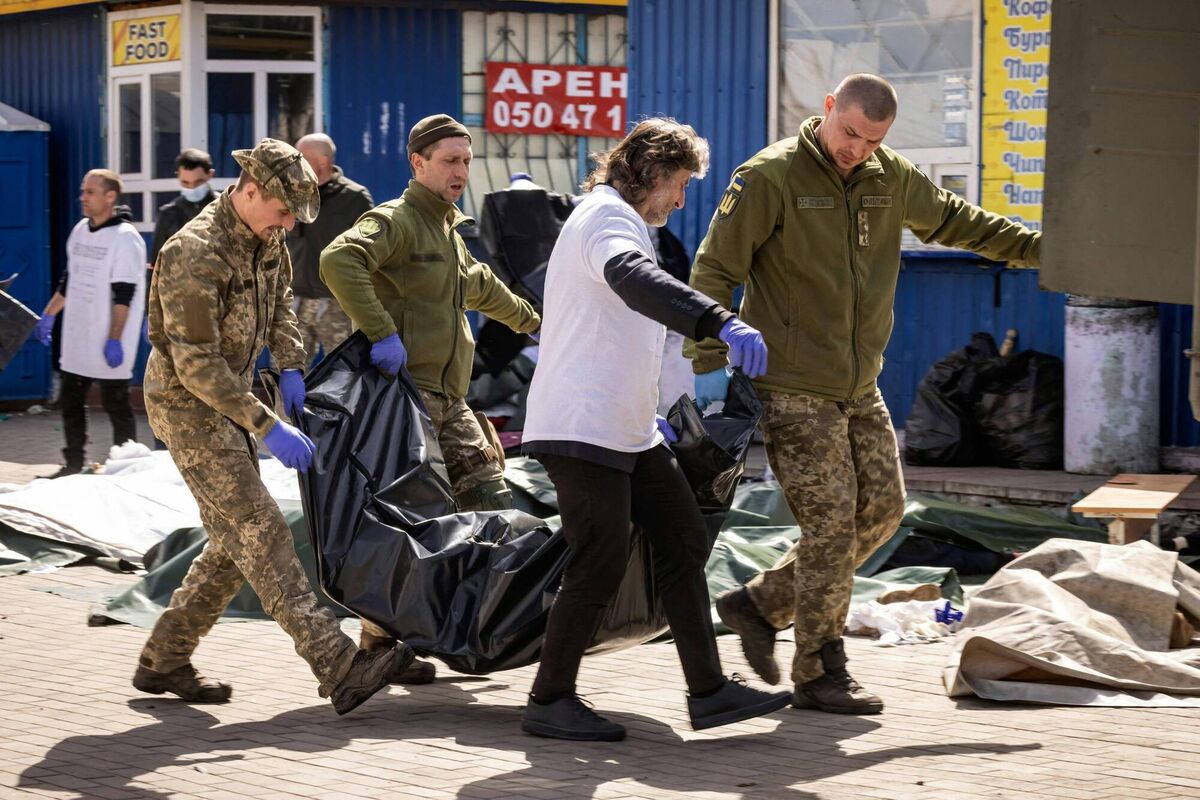
Speaking at a joint press conference in Helsinki with his Finnish counterpart, Sanna Marin, Mr Martin said Russia’s war on Ukraine had “turned upside down” the rules-based international order.
“We have to reflect on the security implications,” he said and cited the impact of the cyberattack on the HSE systems last year in the threat posed by cyber and hybrid attacks.
“The situation has changed,” he said. “It’s not just about conventional warfare.
“In Ireland, the invasion of Ukraine has initiated a discussion on our own approach. This is something we will reflect on in the time ahead.”
But he said this would be happening later. When questioned would the revelations of massacres in Ukraine force Ireland to change its policy of neutrality, he said: “Nothing in Ireland’s military neutrality in any way impedes the EU response. We are not a strong military country. By definition, our capacities are not strong. We want to play to our strengths where we can be most effective in terms of our contribution.”
He said Ireland was supplying non-lethal military aid, in the way of fuel, body armour, and ready-meals.
Sanna Marin said Finland, which is also militarily neutral, was delivering “both humanitarian aid and military aid” to Ukraine.
She said they will be contributing further with the revelations of atrocities: “We will give more military help and humanitarian.
She said they were already conducting an analysis of Finland’s security and defence situation caused by the war. She said the report will be submitted to the Finnish parliament next week and discussed extensively over the upcoming weeks with a decision by summer.
She confirmed this includes whether or not Finland, which has a 1,340km border with Russia, will look to join Nato. She said it will be a careful discussion but said it would not take any longer than it needs to, saying the “situation is very severe”.

CONNECT WITH US TODAY



Be the first to know the latest news and updates