Two-thirds of us relying on 'Dr Google' to diagnose illness
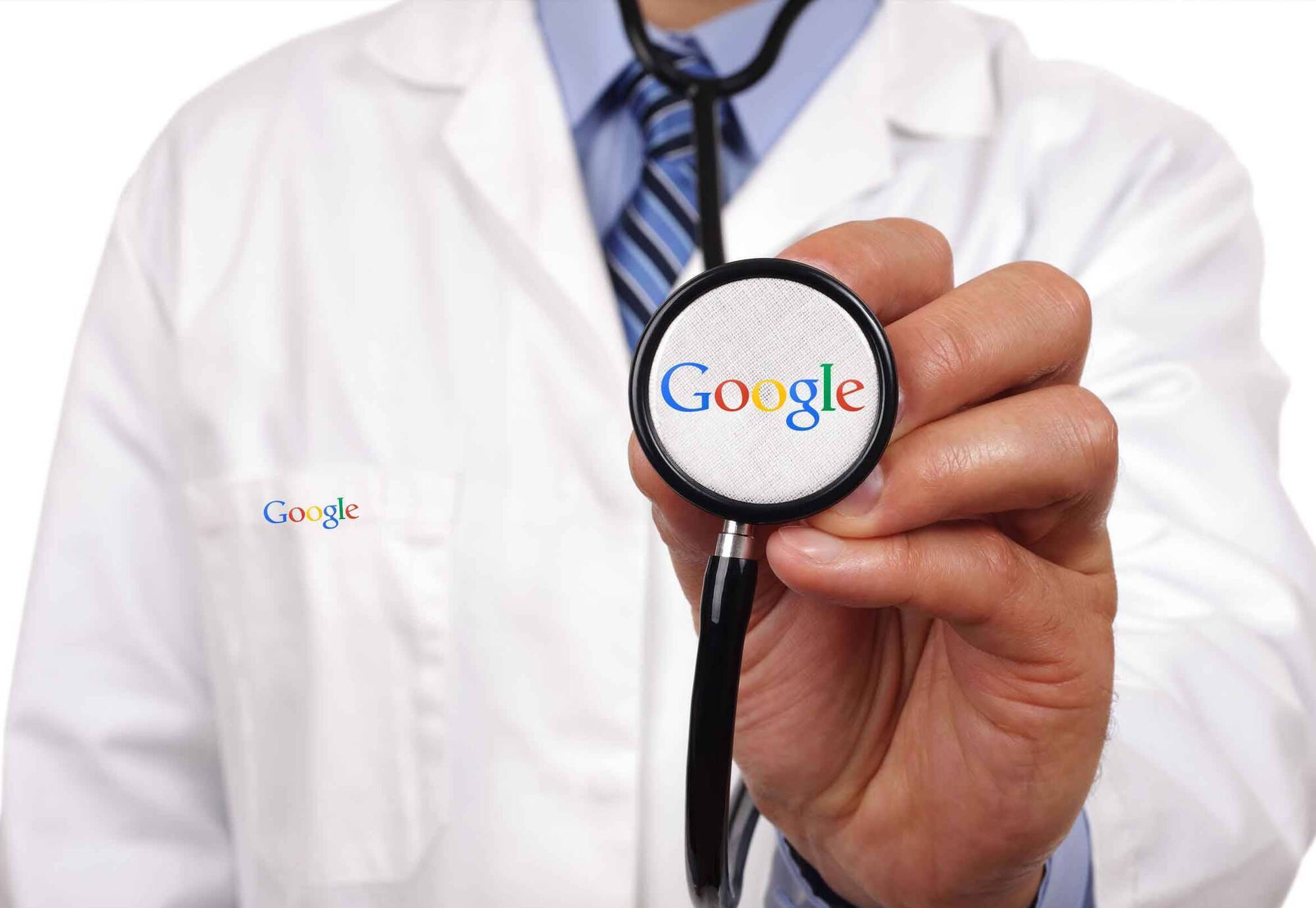
A study from Harvard in 2021 found that "using the internet to search for health information was associated with small increases in diagnostic accuracy", and that patient anxiety did not increase on the whole. File photo
Doctor Google is working harder than ever doing house calls as around two-thirds of Irish people have searched online in recent months for information on health, injuries, and disease.
In recent years, it has become the bane of medically-trained professionals all over the world when neurotic patients self-diagnose after looking up symptoms online, with doctors and nurses having to assuage worries about serious conditions.
Findings from the European Commission's data analysis wing, Eurostat, show that in 2021, more than half of EU citizens aged between 16 and 74 reported that they had sought online health information related to injury, disease, nutrition, improving health, or similar.
EU-wide, an average of 55% of 16- to 74-year-olds self-diagnose online, but in Ireland, that figure jumps to 68%. We aren't the worst offenders, though: four-out-of-every-five Finns rely on online information about their health.
👩⚕️🖥️In the 3 months prior to the 2021 survey, 55% in the EU sought online information related to injury, disease, nutrition, improving health or similar.
— EU_Eurostat (@EU_Eurostat) April 6, 2022
Highest in:
🇫🇮Finland (80% of people aged 16-74)
Lowest in:
🇧🇬Bulgaria (36%)#WorldHealthDay
👉https://t.co/8UVGegwBr8 pic.twitter.com/og8MVRC414
People in the Netherlands, Denmark, and Cyprus are not too far behind their Finnish counterparts. In contrast, Bulgarians, Romanians, Germans, and Polish are not as inclined to use the internet for health information, with just over a third of Bulgaria's citizens doing so in 2021.
The past 10 years have seen a huge spike in searches.
"Over the last decade, the share of individuals seeking health information online has risen in almost all EU Member States with an increase of 17 percentage points in the EU from 2011 (38%). The highest increases in the number of people looking for health information online were recorded in Cyprus (+46), followed by Czechia (+33), Malta (+32) and Spain (+31)," Eurostat said.
In academic research, the results are mixed when it comes to the value of people researching symptoms online, or what is known as the Doctor Google or so-called "cyberchondria" phenomenon. Cyberchondria is a portmanteau of the words cyber and hypochondria, which is defined as being excessively anxious about one's health.
For example, research in 2020 from Edith Cowan University (ECU) published in the found that online symptom-checkers are only accurate about a third of the time.
However, a study from Harvard in 2021 found that "using the internet to search for health information was associated with small increases in diagnostic accuracy", and that patient anxiety did not increase on the whole.
This year, findings published in the Journal of Psychiatric Research concluded that people showing signs of cyberchondria, including participants from Ireland, experienced negative emotions after online health searches, as well as showing increasing distrust of their doctors.
Despite this trend, people in the EU are overall feeling good about their own health. In 2020, Eurostat data show that around nine in 10 people in the 27 member states aged 16 to 44 felt healthy. In Ireland, more than 90% of both men and women aged between 16 and 44 classed their health as good or very good.
Unsurprisingly, this percentage decreased as people got older, but around 80% of men and women in Ireland aged between 45 and 64 still felt healthy, the second-highest percentage in the 27 member states.

CONNECT WITH US TODAY



Be the first to know the latest news and updates