'Pain now and more pain to come' as household bills soar
'Pain now and more pain to come' as household bills soar

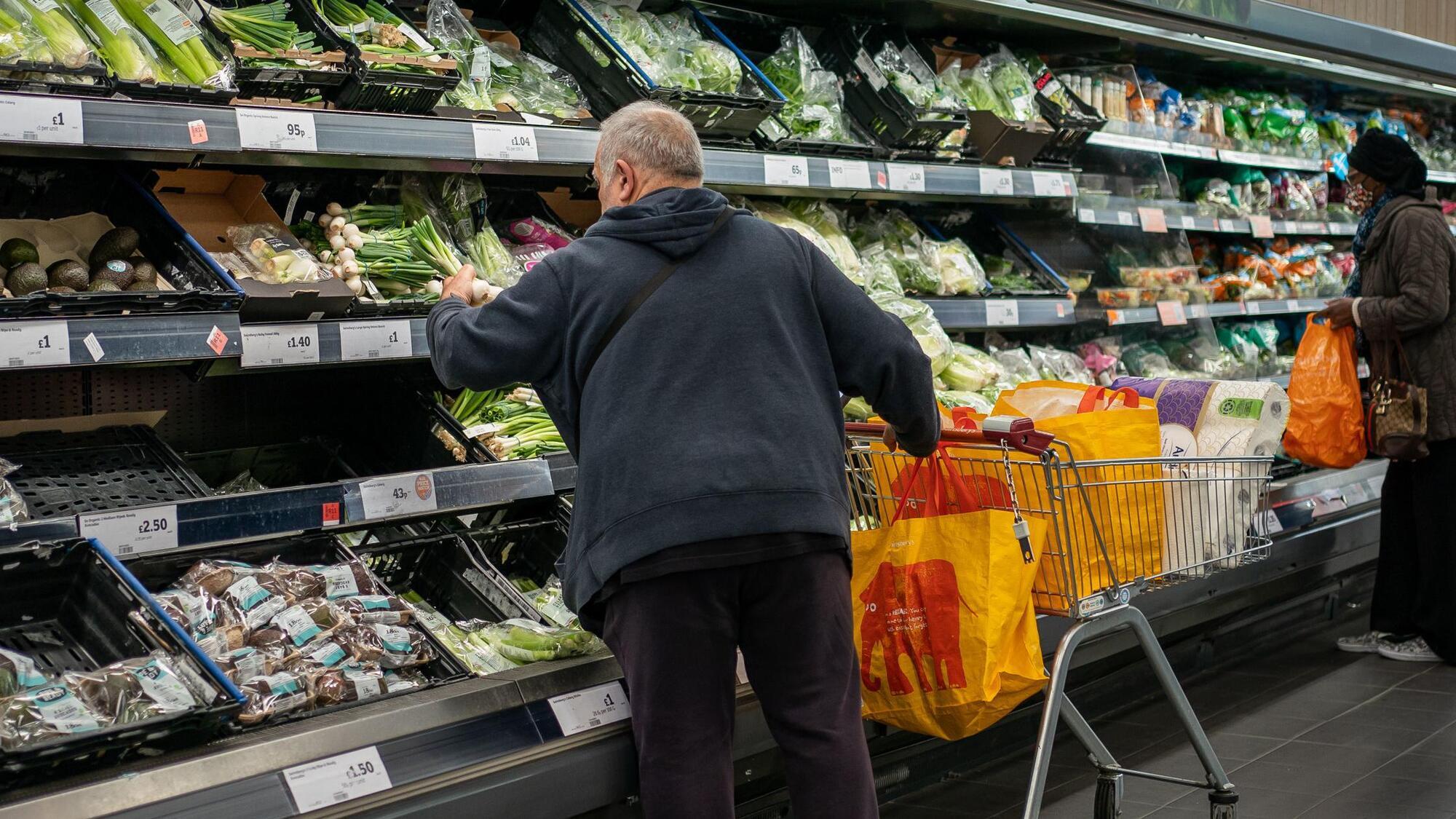
The surge in the price of food is particularly challenging for households that were already pinched, and economists warn that further price rises are to be expected. File picture: Aaron Chown/PA

Households have been warned of “pain now and more pain to come” as food and energy prices last month surged at the highest rate since records began.

As well as record energy price hikes, consumers face sharp rises in staples such as milk, bread, pasta, and sugar. And, experts warn, these rising prices could soon “seep in” to other parts of the economy.

The Central Statistics Office’s latest consumer price index puts annual inflation at 6.7%. Between February and March, prices rose 1.9%, the highest monthly increase since the CSO started compiling these statistics in 1997.

The last time annual inflation was this high was the 7% recorded in November 2000.

“In the early 2000s, there was an element of a party with the Celtic Tiger and the boom,” said KBC’s chief economist Austin Hughes. 

Prices were rising but wages were rising, and there was a sense you could outrun inflation. There’s nowhere to run on this one. 

"The current bout of price pressures is entirely an environment of pain,” he said.

Surge in prices

• According to the CSO, the price of energy for our homes has risen sharply, with electricity up on average 22.4% and gas up 27.9% in the past year. This is before customers are hit by recently-announced price hikes to their energy bills that will kick in in the coming weeks.

• Home heating oil costs have more than doubled in the past year, up 126.6%. In the space of just one month between February and March, it rose by almost 60%.

• The cost of food overall is up 3% but there are steep increases in some staples.

Flour is up 10%, bread is up 8.3% and pasta products are up 9.5%. Milk is up 8.6%, margarine and other vegetable fats are up 10%, sugar is up 4.7% and baby food is up 4.9%.

• Beyond the staples, staying in hotels has risen over 10%, alcohol is up 7% and airfares have jumped 69% on last year’s pandemic-influenced prices.

Mr Hughes said inflation may hit 8% by the summer. This echoes the view of the Economic and Social Research Institute which recently forecast inflation to peak at 8.5% this year.

“We think inflation goes higher and then will be slow to come down,” he said. "That seepage then into other areas will be where people feel it even more, but it’s important to emphasise this pain differs in intensity dramatically across the economy."

Inflation in Ireland could hit 8% by this summer according to KBC Bank Ireland chief economist Austin Hughes. Picture: Iain White Photography

St Vincent de Paul said people at risk of poverty are cutting back on essential energy in fear of the next bill or having to choose between food and heating.

“The inflation figures announced today show that this situation is continuing to get worse, and we have to remember that inflation is actually higher for people on the lowest incomes, who spend more of their budget on essentials like energy, food, housing and transport, all of which are getting more expensive,” a spokesperson said.

Sean Moynihan, CEO of older persons’ charity Alone, said people can not “absorb these big hits” after what has already been a tough time.

“They’ve already pruned what they can. We’re not sure people can hold out for the next Budget,” he said, and called for “pandemic-style” solutions: 

During the pandemic, we put a floor under our economy to protect it. Now, we want to see a floor put under our people.

One piece of good news is that the Government, which saw tax receipts jumping over 30% in the last quarter, should have some space to provide targeted measures to those who need it during this crisis, said Mr Hughes.

“There is a sort of a requirement, a social contract, that would imply more supportive measures from Government that could offset some of the pain,” he said.

“There is a sort of a requirement — a social contract — that would imply more supportive measures from Government that could offset some of the pain,” he said, but added that measures would likely need to be tailored to those who need it most.

More in this section

Lunchtime News

Newsletter

Get a lunch briefing straight to your inbox at noon daily. Also be the first to know with our occasional Breaking News emails.

Cookie Policy Privacy Policy Brand Safety FAQ Help Contact Us Terms and Conditions

© Examiner Echo Group Limited