Report brands carbon taxes as 'regressive' and calls for climate policies to be 'poverty-proofed'
Report brands carbon taxes as 'regressive' and calls for climate policies to be 'poverty-proofed'

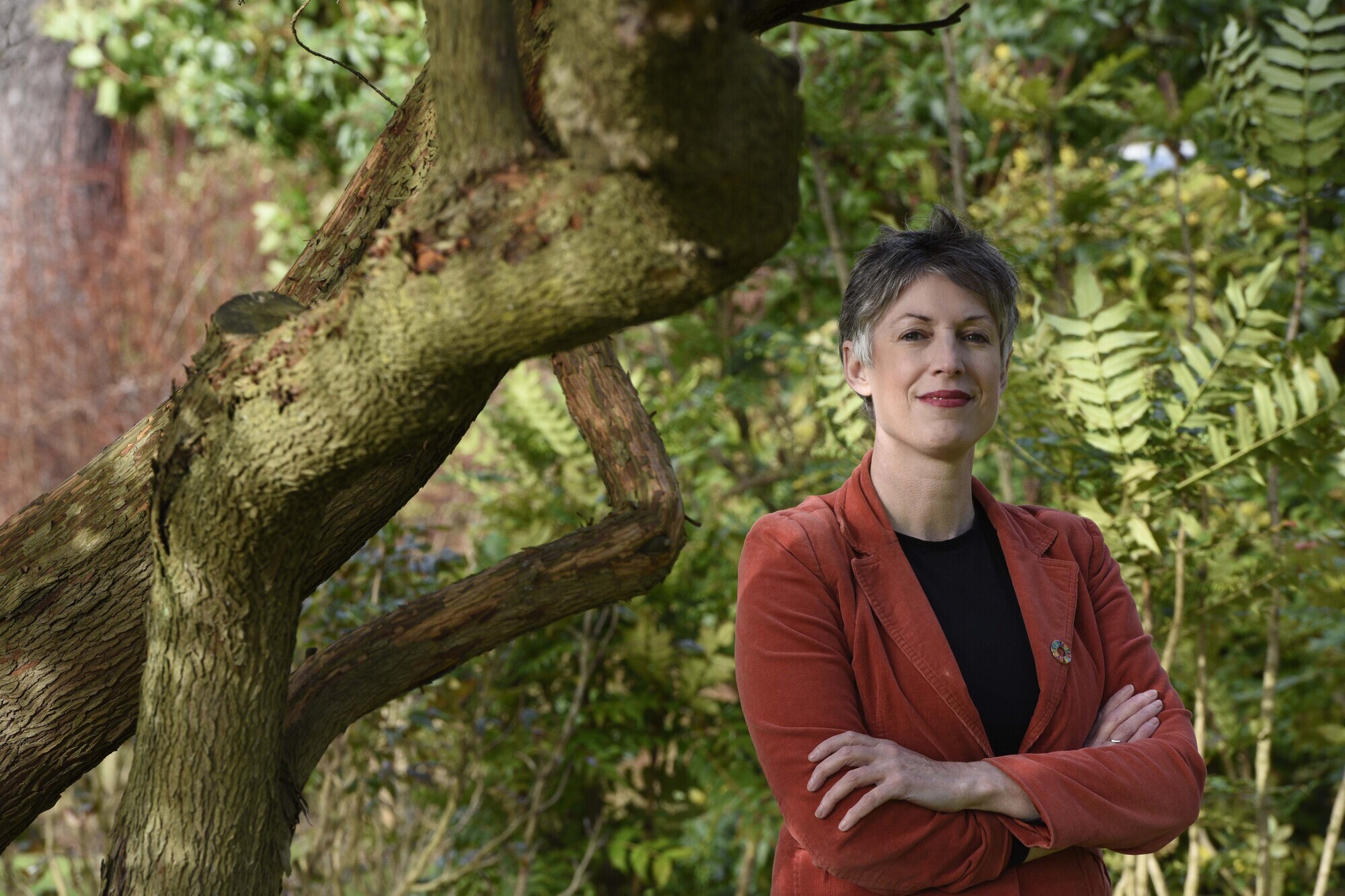
Sadhbh O'Neill, environmental activist, researcher and lecturer in Environmental Law said "socio-economic disadvantage makes some communities and households more vulnerable to the effects of both environmental pollution and the policies that are intended to address it". Photo: Moya Nolan

All climate and energy policy decisions should be "fully poverty-proofed", with marginalised groups such as Travellers, low-income, and migrant communities not having their voices heard despite being largely in the firing line.

Those are some of the conclusions of a major new report from Dublin City University (DCU) climate experts, which also found that "legal costs and the lack of civil legal aid are significant barriers to public participation in environmental decision-making".

Lead author of the study, assistant professor Sadhbh O'Neill, and her colleagues said in the executive summary that "socio-economic disadvantage makes some communities and households more vulnerable to the effects of both environmental pollution and the policies that are intended to address it".

Despite being more impacted than most as the climate crisis intensifies, these voices are being sidelined, the report found.

"As part of this project, the research team held a workshop with representatives of vulnerable and marginalised communities to hear their experiences of environmental degradation and social injustice. 

"The participants in our workshop perceived their communities to be largely excluded from environmental and planning decisions. They expressed frustration with consultation processes, where the final decisions sidelined their concerns altogether," it said.

Low-income, migrant, and Traveller communities have difficulties in getting their voices heard, especially in an era where many decisions end up in the courts, where legal costs are prohibitively expensive, the report added.

"Public participation in environmental decision-making, which is a right of every citizen under the Aarhus Convention, is greatly constrained by the imposition of fees for making submissions, very high legal costs, as well as the need to engage with online platforms," the authors said.

The exclusions can be seen in geographical areas most affected by pollution, where people seen as having little political or policy sway bear the brunt of inaction on the climate crisis, according to the report.

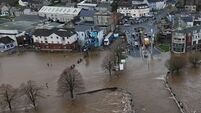
The likes of poor air quality, illegal waste dumping, and polluted water hit the most vulnerable the hardest, it said, while flooding was a clear example of the disproportionate effects of climate change.

"Flood damage disproportionally hurts low-income households, particularly families with dependent children and households with a head at retirement age," it said. Energy poverty, now being exacerbated by soaring costs of living in recent months, must be tackled, the analysis found.

"Carbon taxes add to the cost of fossil fuel heating and are regressive. For this reason, energy poverty must be tackled in ways that support low-income households whether in the rented, privately owned, or social housing sectors with income supports along with retrofitting measures."

CLIMATE & SUSTAINABILITY HUB

More in this section

Lunchtime News

Newsletter

Keep up with stories of the day with our lunchtime news wrap and important breaking news alerts.

Cookie Policy Privacy Policy Brand Safety FAQ Help Contact Us Terms and Conditions

© Examiner Echo Group Limited