Ireland needs a national tuberculosis controller, expert warns
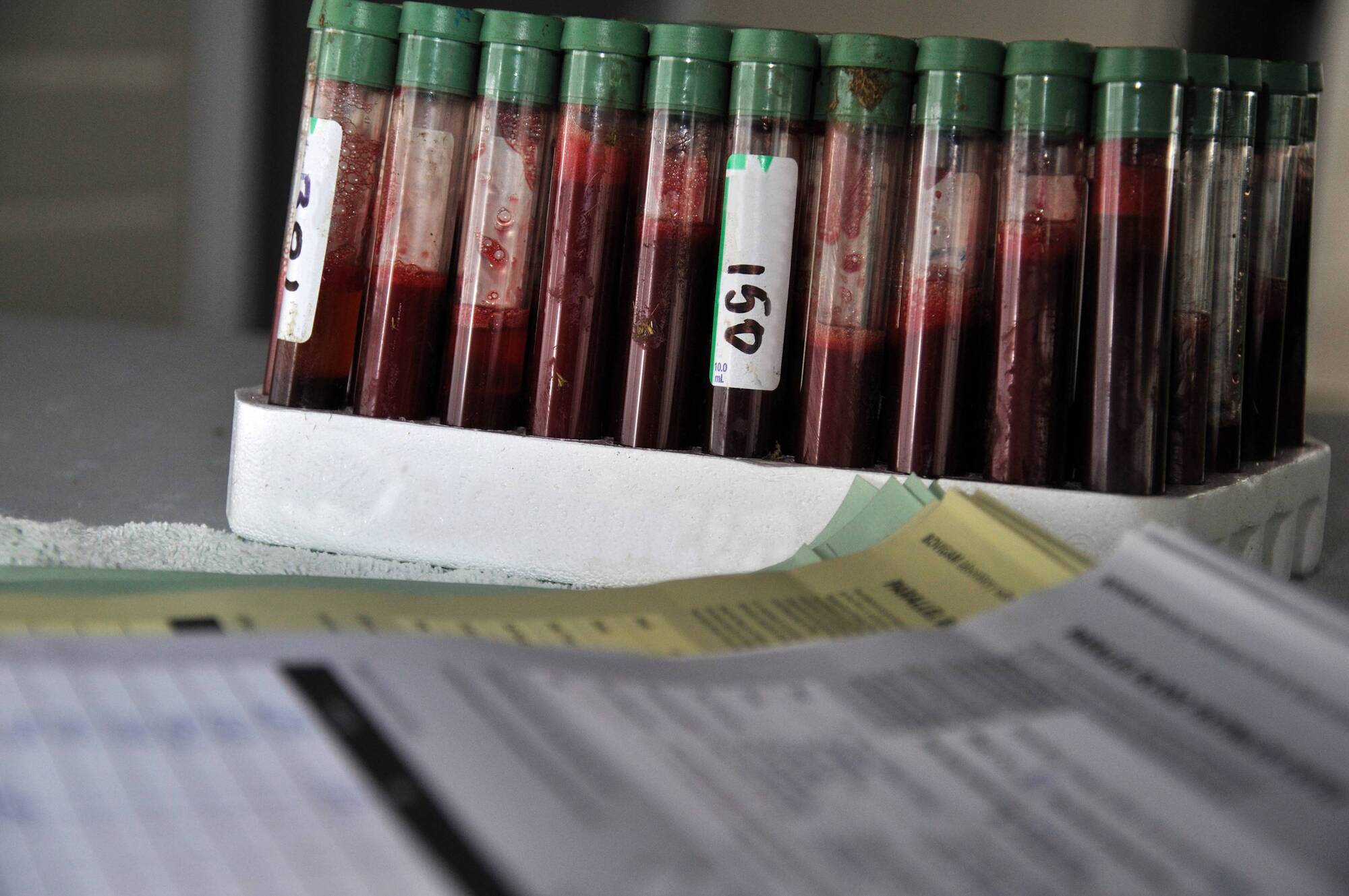
The World Health Organization says tuberculosis (TB) is the second biggest infectious diseases killer after Covid-19.
Ireland needs to appoint a national tuberculosis controller as figures rise worldwide with the Russia-Ukraine war likely to further increase these figures, a leading respiratory expert has warned.
This week the World Health Organisation said tuberculosis (TB) is the second biggest infectious diseases killer after Covid-19 — claiming over 4,100 lives every day around the world. Rates of infection increased during the pandemic for the first time in over a decade.
Professor Joseph Keane, respiratory physician at St James's Hospital and professor of medicine at Trinity College Dublin, said it is not accurate to view TB as over in Ireland.
Treatment, including using a drug called rifampicin, usually takes six months but there are now more cases of multiple-drug resistant TB here, requiring 18 months of extremely expensive treatment.
“This notion that TB is not a problem is pure rubbish,” he said.
Treatment for these types of TB comes to “in excess of €200,000 per person” he said.
There were 219 cases of TB overall last year with 1,333 since 2017. The highest number was 2018 at 307.
“We find it very difficult to be personally responsible for these cases without the assistance of a national TB control programme, which is lacking, and a national TB controller,” he said.
“They are the two things the Irish Thoracic Society is looking for. Our TB service is a lot of groups, working well together but to be honest the care is not uniform up and down the country. If Covid taught us nothing, it taught us that airborne diseases can run amuck in settings such as prisons and wherever you have poverty or over-crowding.”
The Irish Prison Service is currently working with St James on ways to combat TB following an outbreak before the pandemic.
He warned mass movement of people caused by the invasion of Ukraine by Russia is likely to increase TB rates across the region.
A control programme would mean testing for TB on arrival and immediate referral for treatment, he said.
The WHO has said the TB programme in Ukraine is now stalled, and that 29% of the world’s reported cases in 2018 were in the now war-torn country.
CONNECT WITH US TODAY



Be the first to know the latest news and updates