Further 'significant' hikes in fuel costs likely in the coming weeks, Cabinet told
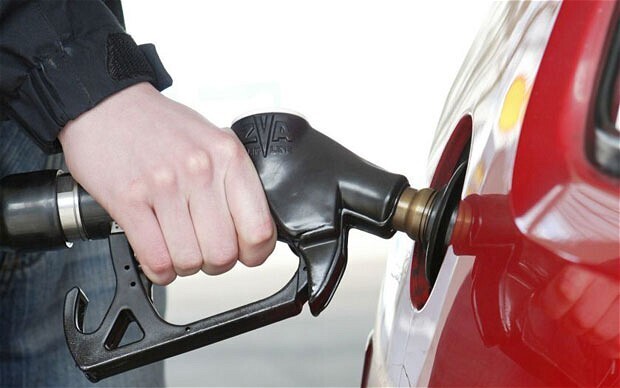
A new research study has found 60% of Irish road users will only re-fuel their car when their fuel gauge is in the red.
Homeowners, motorists and business owners are facing further "significant" rises in fuel costs in the coming weeks and months, a confidential Cabinet memorandum on Ukraine has warned.
The memorandum, seen by the , outlines that the increase in prices by Bord Gáis last week is likely to be replicated by other suppliers in the market in the coming days and weeks.
However, the starkest warning in the document is that inflation in prices is set to last well into 2023 meaning serious further pain for homeowners, motorists and businesses this autumn and winter.
“One major energy supplier announced a very significant increase in prices last week and this is very likely to be reflected by other suppliers in the market,” the memorandum warns in relation to Bord Gáis’ price rise of 27% on electricity bills and 39% on gas bills on average.
The company is ending its 'winter price pledge' and the changes will take effect from April 15.
“This is as a result of sustained and significant rises in international wholesale prices for gas and the current market expectations are that elevated wholesale gas prices will continue into 2023. Also, gas prices also set the wholesale price for electricity,” ministers were warned in the memorandum.
“As suppliers' current hedging contracts expire, the sustained high price of wholesale gas will impact in the retail market more markedly.
"The consumer impact of these price increases will initially be mitigated somewhat as domestic and certain SME usage will decline during the coming months. However, they will impact significantly in the next heating season later this year,” the memorandum states.
The Cabinet also discussed the expansion of sanctions on Russia and, according to sources, a range of options were considered.
“They included a ban on coal, gas and oil, stopping Russian flagged vessels and sanctioning more people,” said one source.
A growing number of unaccompanied minors are arriving into Ireland from Ukraine and Tusla is currently providing assistance and accommodation to 22 minors who came by themselves, ministers were informed.
More than 20,000 pledges of accommodation have been made via the Irish Red Cross portal with about 4,000 of those related to vacant properties.
Ireland can expect to take in at least 68,000 people from Ukraine but that number could hit 200,000, Government ministers have said.
Speaking after the Cabinet meeting, at which the humanitarian response to the Ukraine crisis dominated, ministers said a nationwide search for suitable properties is underway.
This encompasses hotels, B&Bs, guest houses, vacant homes, offers for spare rooms from families, community centres, vacant state properties, old convents and monasteries.
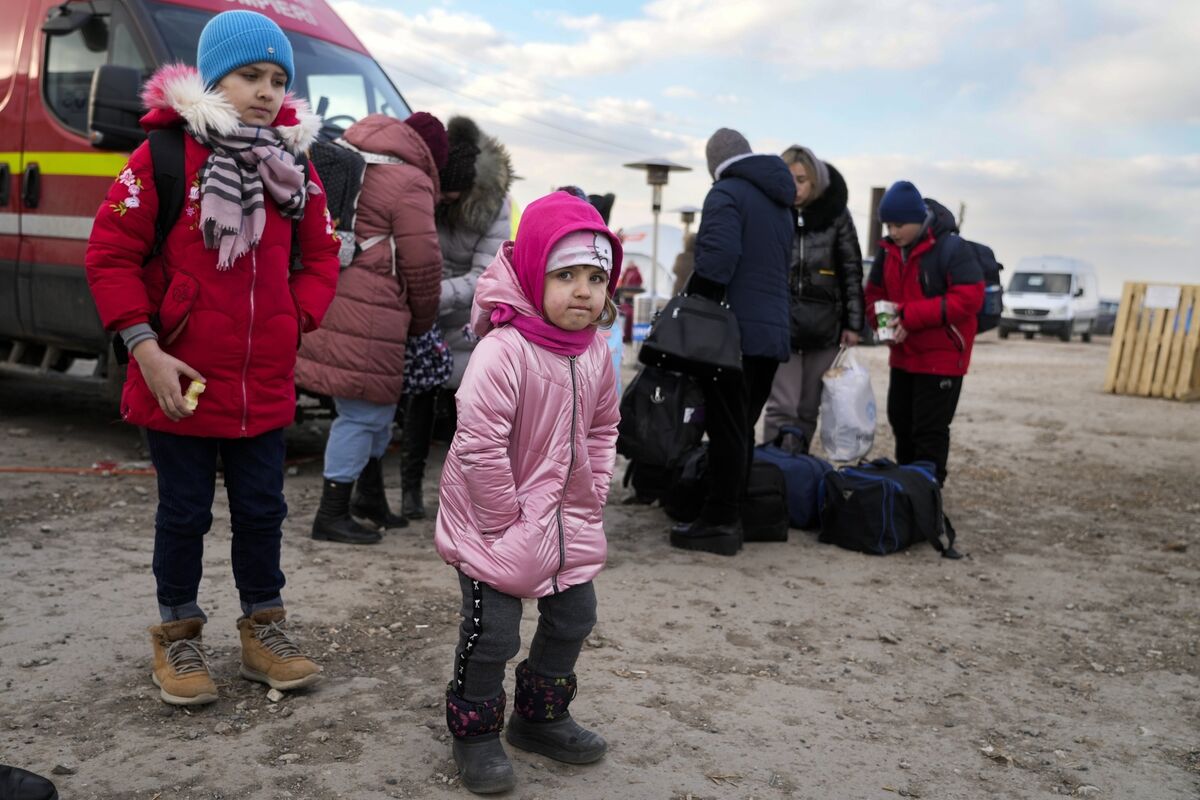
About 500 buildings could be used to house some of the tens of thousands of Ukrainian refugees expected to come here, Children’s Minister Roderic O’Gorman said.
Major venues such as Citywest, Millstreet Arena, the National Show Centre which previously operated at Covid testing and treatments centres will now be repurposed as emergency accommodation centres.
Minister for Social Protection Heather Humphreys confirmed that people hosting refugees would not have their social welfare payments affected.
As of last night, 10,147 Ukrainians had arrived in Ireland and of those roughly 4,100 of those have sought accommodation from the State.
Meanwhile, Taoiseach Micheál Martin has emerged from his five-day period of isolation in Washington DC.
He will decide tomorrow as to whether he will be able to attend the summit in Brussels, which will see US President Joe Biden in attendance to discuss the response to the Ukraine war.
In addition to attending cabinet, Mr Martin held a virtual meeting with EU Commission President Ursula von der Leyen during which the energy crisis was discussed.

CONNECT WITH US TODAY



Be the first to know the latest news and updates