Global electric vehicle sales double in just one year
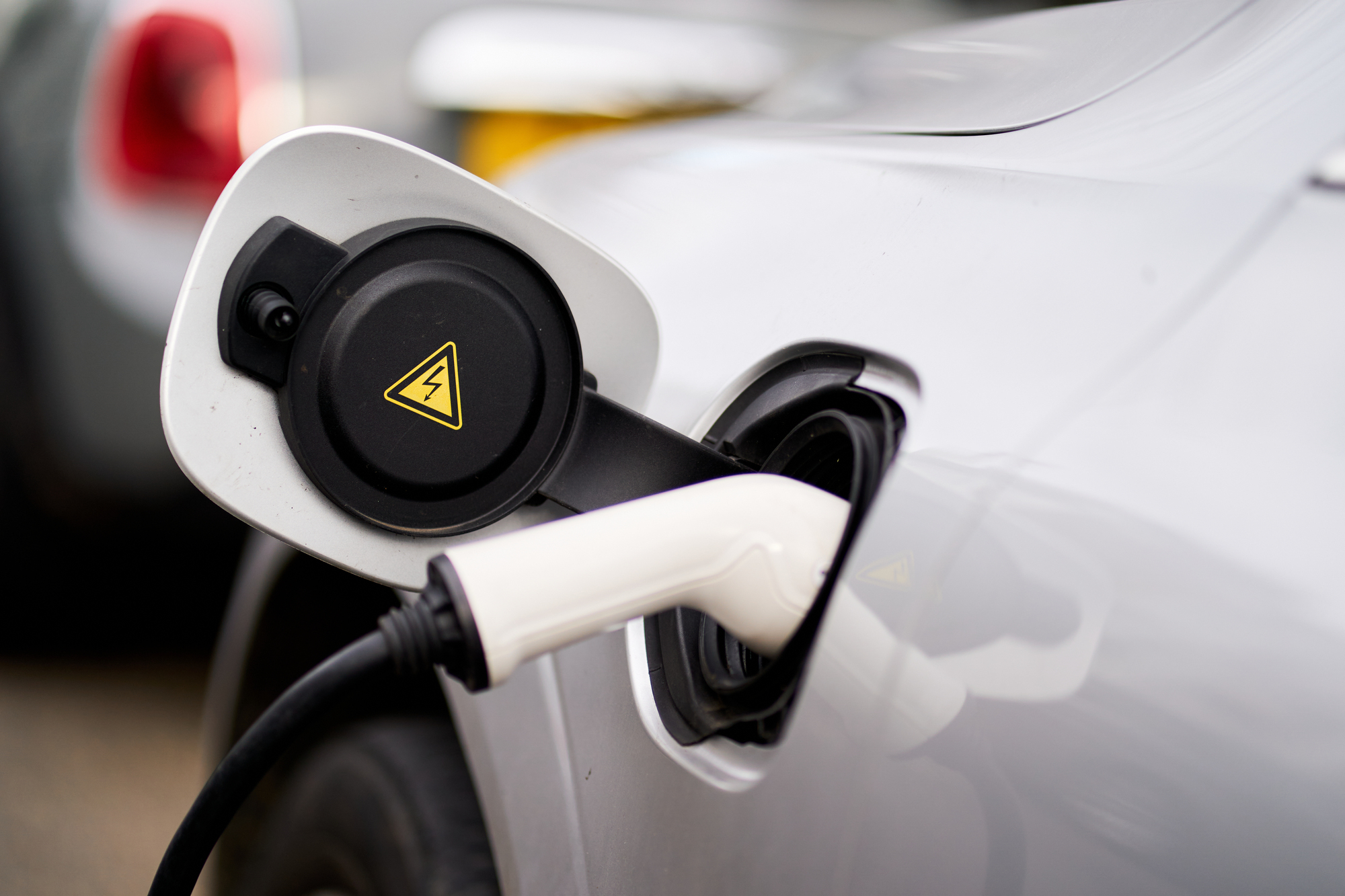
New offerings from EV market leaders, 'combined with growing awareness of the environmental benefits, meant that consumers came to view these vehicles as serious alternatives to the traditional petrol and diesel favourites', researchers found
Sales of electric vehicles (EVs) globally doubled last year, with European and Chinese customers leading the way, according to new data.
Those are just some of the findings from London-based motoring business intelligence firm Jato Dynamics, which said battery-operated EVs went from 3.1% to 6% across the world market for cars between 2020 and 2021.
In Europe, growth was driven by firms with an existing foothold in the region, such as Volkswagen Group and Stellantis, as well as new players like Tesla, Jato said.
BEVs are purely battery operated, as opposed to hybrids, which combine electric and fossil-fuel powered driving.
"In 2021, the popularity of BEVs soared among consumers in Europe and China, and began to gain traction in North America, however, other markets around the world continued to lag behind," Jato said.
Government incentives continued to play a crucial role in supporting the uptake of BEVs, according to Jato.
It said new offerings from EV market leaders, "combined with growing awareness of the environmental benefits, meant that consumers came to view these vehicles as serious alternatives to the traditional petrol and diesel favourites".
The BEV market in North America has also made progress, but a number of factors have slowed significant adoption, Jato said.
Elon Musk's Tesla remains the BEV king, according to the data.
"Thanks to the arrival of the Model 3 in North America in 2018, and China and Europe in 2019, Tesla has been able to hold its positions as the world’s leading BEV manufacturer.
"While the Model Y has also been a success, Tesla has been able to maintain the attention of consumers and continue its gradual expansion with a relatively limited offering to consumers," Jato said.
Part of the Government's plan to reduce emissions is to have 1m EVs on the road by 2030.
However, critics have questioned how that number will be achieved, with a lack of current infrastructure and barriers to affordable used EVs and imports of the same from the UK.