'Gentle giants': Basking sharks granted protected wild animal status
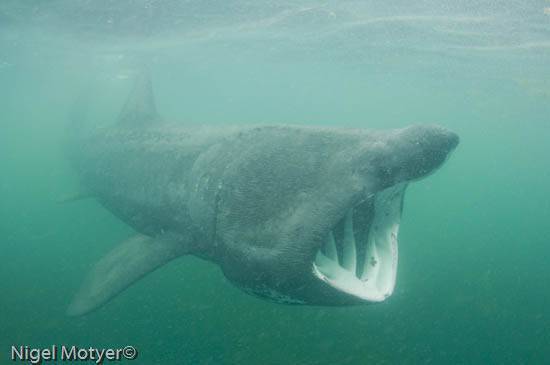
Basking shark. Picture: Nigel Moyter
Wildlife activists have welcomed the news that the basking shark has been given the status of a 'protected wild animal'.
It comes after a long campaign by wildlife activists and researchers including the Irish Basking Shark Group (IBSG).
According to the group, the west and northern Irish seaboard are part of the single most internationally important coastal region for basking sharks.
Under the protection status, it will be an offence to hunt or injure a basking shark or to wilfully interfere with or destroy their breeding or resting place.
Work is underway to develop a code of conduct for eco-tourism and wildlife watching which the IBSG said will allow the public to watch, experience and be awestruck by the sharks without disturbing them.
"As well as legal protection, the IBSG hope the Government will soon roll out Marine Protected Areas to protect critical habitats such as feeding and courting areas for these gentle giants," a spokesperson for the IBSG said.
Confirming the decision to grant protected status, Minister of State for Heritage and Electoral Reform, Malcolm Noonan noted the public support - particularly among young children - who he said have been passionate in calling for protection of the shark.
Ireland is lucky to see thousands of the second-largest shark species in our waters each year with about 20% of the 10,000 basking sharks in the Atlantic visiting Irish shores.
It had been thought the sharks visited between April and August but new research suggest some may stay year-round.
Dr Nick Payne, Assistant Professor with TCD's School of Natural Sciences, said the basking shark is endangered and at risk of death from fishing bycatch and from getting struck by boats.
He spent a week last year studying the behaviour of four basking sharks off the Cork coast.
"The experience we had of observing live sharks in all their glory really emphasises that we should do our best to protect these incredible animals," Dr Payne said.


CONNECT WITH US TODAY



Be the first to know the latest news and updates