Eating disorder survivor feels Ireland needs a 'minister for mental illness'
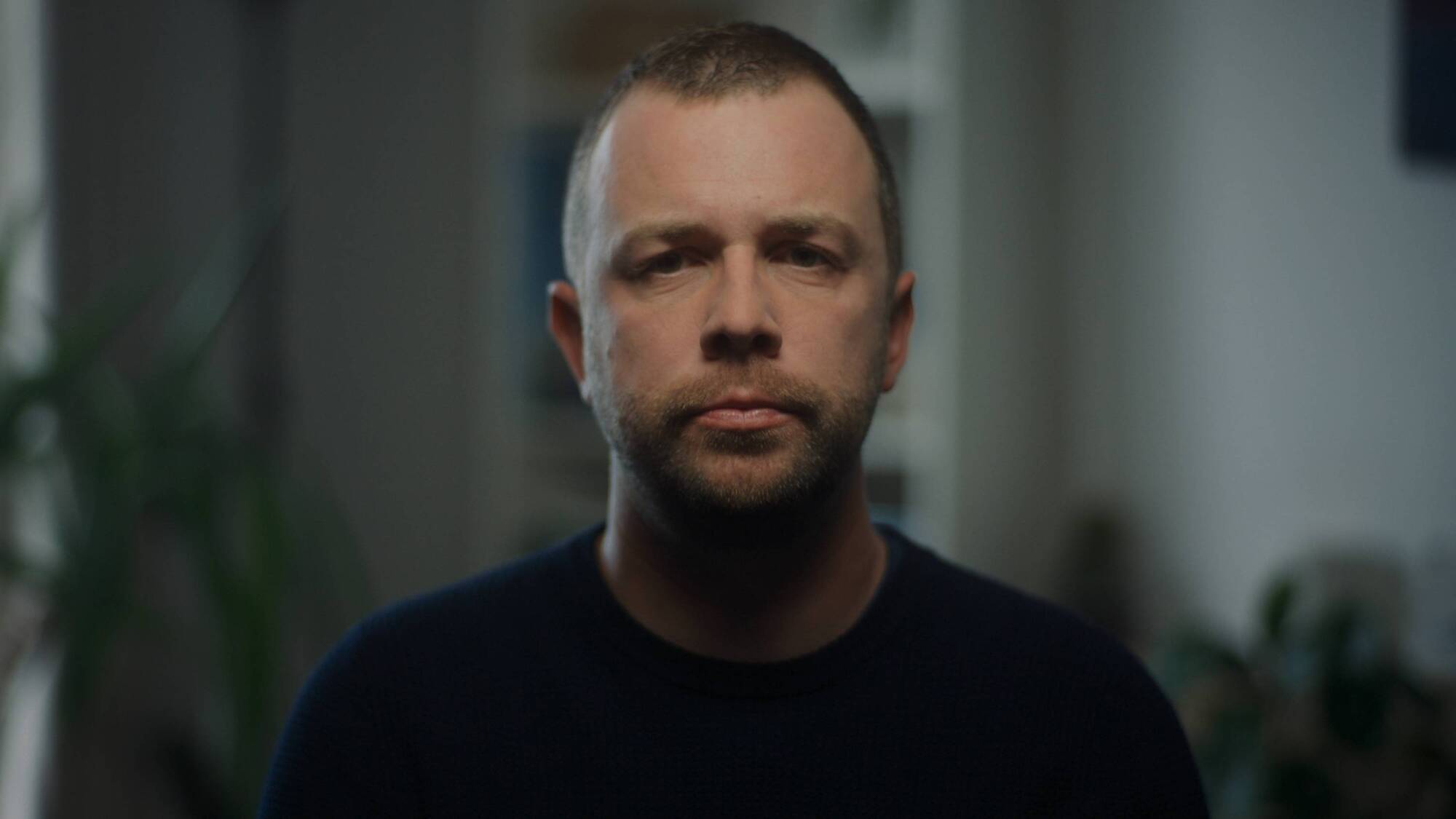
Eoin Kernan who went into treatment in August 2019 for a disorder which he describes as being a disorder around the restriction of food.
A MAN who is recovering from an eating disorder says that Ireland should have a minister for mental illness and that the focus needs to switch from mental health to mental illness.
Cork native Eoin Kernan, who now lives in Dublin, was one of three men who featured in a documentary called Unspoken last year, which highlighted that eating disorders can affect men as well as women.

He will reunite with the other two participants of Unspoken, Cormac Ryan and Daniel O’Boyle, on a Lust for Life Instagram webinar at 7pm on Friday evening about men and eating disorders, to mark Eating Disorder Awareness Week.
He says that among his hopes for the future is "a wish that a discussion would focus on mental illness instead of on mental health.
He outlines: “Everyone has mental health, like everyone has physical health. And that can be negative or positive at any given time.
He points out that mental illness can include eating disorders, obsessive-compulsive disorders, anxiety and depression. He believes that the term mental health covers up what mental illness is, and he said: “I believe we should be moving away from having a minister for mental health and have a minister for mental illness.”
“We need to get really serious on what mental illness is. We need to focus on the root cause.” Mr Kernan went into treatment in August 2019 for a disorder which he describes as being a disorder around the restriction of food.
He explains: “My belief system was built around that there are certain foods I would never touch because they were unhealthy or bad.” He recalls going in for treatment at a time when he was hugely distressed and he says his mum and partner had gotten a pack from Lois Bridges treatment centre ahead of going in there.
He explains that everyone has to sit together at mealtimes and there is a specific timetable for each day, with different types of therapy incorporated into the schedule. They included art, group therapy and individual therapy, and working with a dietician.
He says: “This is immediately taking your eating disorder away from you, it is taking away your behaviour, all of your comfort. There is a level of trepidation at the start.” While he says he went for treatment voluntarily, he was also encouraged to do so by his loved ones.
He recalls his first days in treatment as an “absolute sea change from what I was used to in terms of freedom, the ability to engage in my behaviours.”
He was the only male in his group and he recalls that one of the others in the group was literally half his age – an 18-year-old girl.
But he says: “We were all just human. We were all just sitting in the same room, talking about the same thing. We could learn from each other.” He says it was a slow process which did not have an “aha” moment where he realised he was succeeding.

Working with a dietician was another key part of treatment for him, with his dietician helping him to understand the harms that restriction of foods can do the body.
He says: “In the evening time, you had downtime where under the guidance of a therapist you could go out for a walk.” He recalls that he was over-exercising before he entered treatment and he was slowly re-introduced to exercise during his time in Lois Bridges.
He says: “In my condition, it was all about earning and banking calories.” One of the brighter parts of treatment for him was art therapy, which he says he “fell in love with”.
He continues: “I have a folder of maybe 10 or 12 pieces I would have done in art therapy which would have so much meaning for me because they are a visual capture of a lot of information that would have been in my head.” He believes that the Mediterranean approach to food is a very healthy one.
He elaborates: “While I am not at this point yet, I always admire the way people eat in the Mediterranean (region) where a family sit around a table like we do at Christmas but they do it on a daily basis. The food comes out but food is not the essential part. Food is just the connection but it is not the be-all, end-all beautiful presentation in the centre of the table. They talk, they socialise, and food just happens to be among that.”
- Bodywhys Helpline: 01-2107906
- Bodywhys E-mail Support Service: alex@bodywhys.ie