'We are ready to ensure peace': Ambassador to Ireland denies Russia is preparing for war
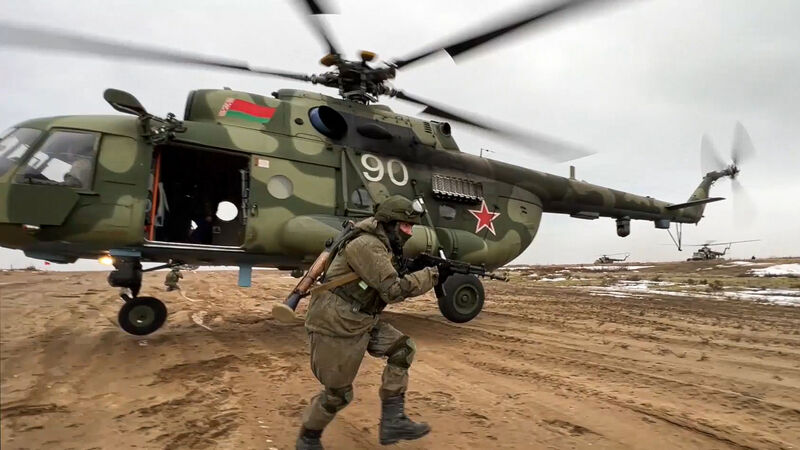
A Russian marine runs during the Union Courage-2022 Russia-Belarus military drills at the Obuz-Lesnovsky training ground in Belarus. Picture: Russian Defense Ministry Press Service via AP
The Russian ambassador to Ireland has denied that Russia is preparing for war in Ukraine, saying “we are ready to ensure peace”.
A long-feared Russian invasion of Ukraine appears to be imminent, if not already underway, with Russian President Vladimir Putin ordering forces into separatist regions of eastern Ukraine.
A vaguely worded decree signed by Mr Putin did not say if troops were on the move, and it cast the order as an effort to “maintain peace”.
The Russian ambassador's comments come as the Minister for Foreign Affairs said that the idea that Russian troops are to be involved in peacekeeping functions is "nonsense".
“War is never an option for us," Russian ambassador Yuri Filatov told RTÉ radio’s . War was not a good option “when trouble comes”, but Russia was “perfectly able” to defend itself and its people.
Sanctions were a “last resort” for failed diplomacy, he said when asked about the possibility of the EU imposing sanctions on Russia. The EU had “failed miserably” and sanctions would not be an issue for Russia, added the ambassador.
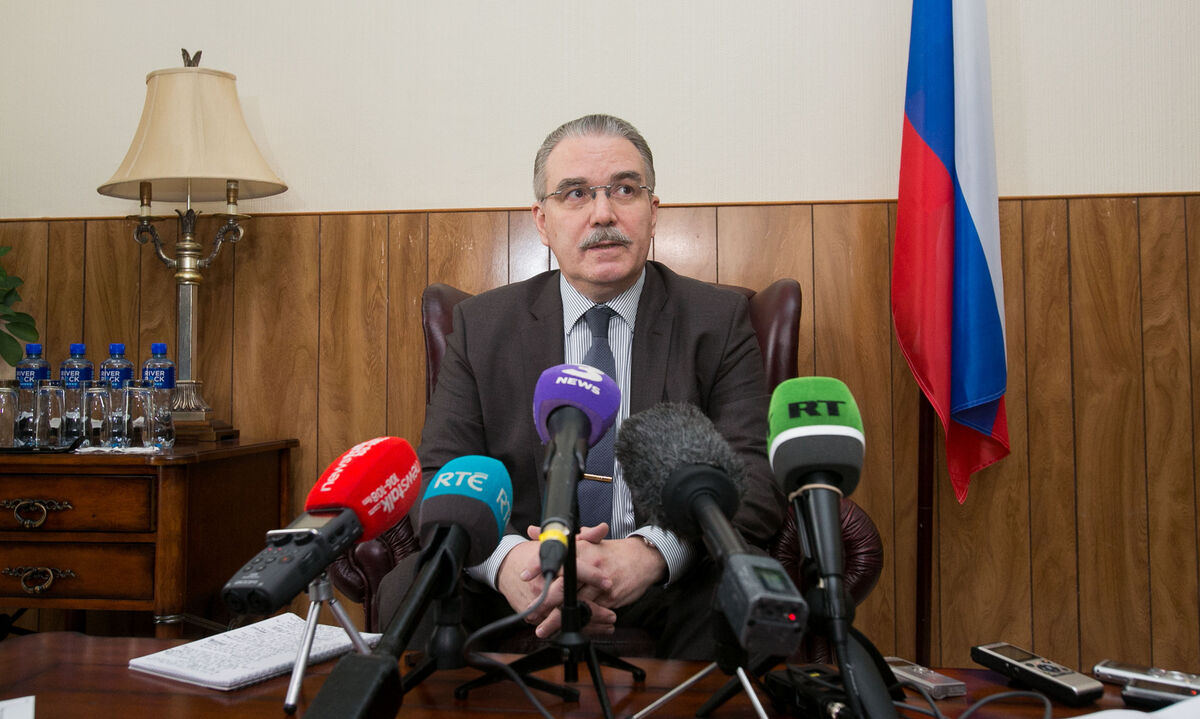
Mr Filatov rejected the suggestion that Russia was engaging in “false flag” actions by supporting two breakaway regions and sending “peacekeeping” troops. President Putin signed a decree on the sovereignty of the so-called people’s republics of Donetsk and Luhansk on Monday.
Russia had to act to keep the citizens safe, he said. It had come to the point where Russia had to act to prevent suffering “for these people.
“We cannot simply sit by and watch as people are slaughtered,” he said. A “big part” of the responsibility for what was happening rested with the West, added Mr Filatov.
When asked if Russia recognised the sovereignty of Ukraine, the ambassador said that he did, but there was a need for Ukraine to avoid falling into “nationalist ideology.”
This was now a very “dramatic stage” in the history of Russia and Ukraine. He said he wanted to be very clear that Russia would not allow the nationalist party in Ukraine “impose its will on people.” Russia and its armed forces and people would do everything to keep peace in the region and in the independent republics, he said.
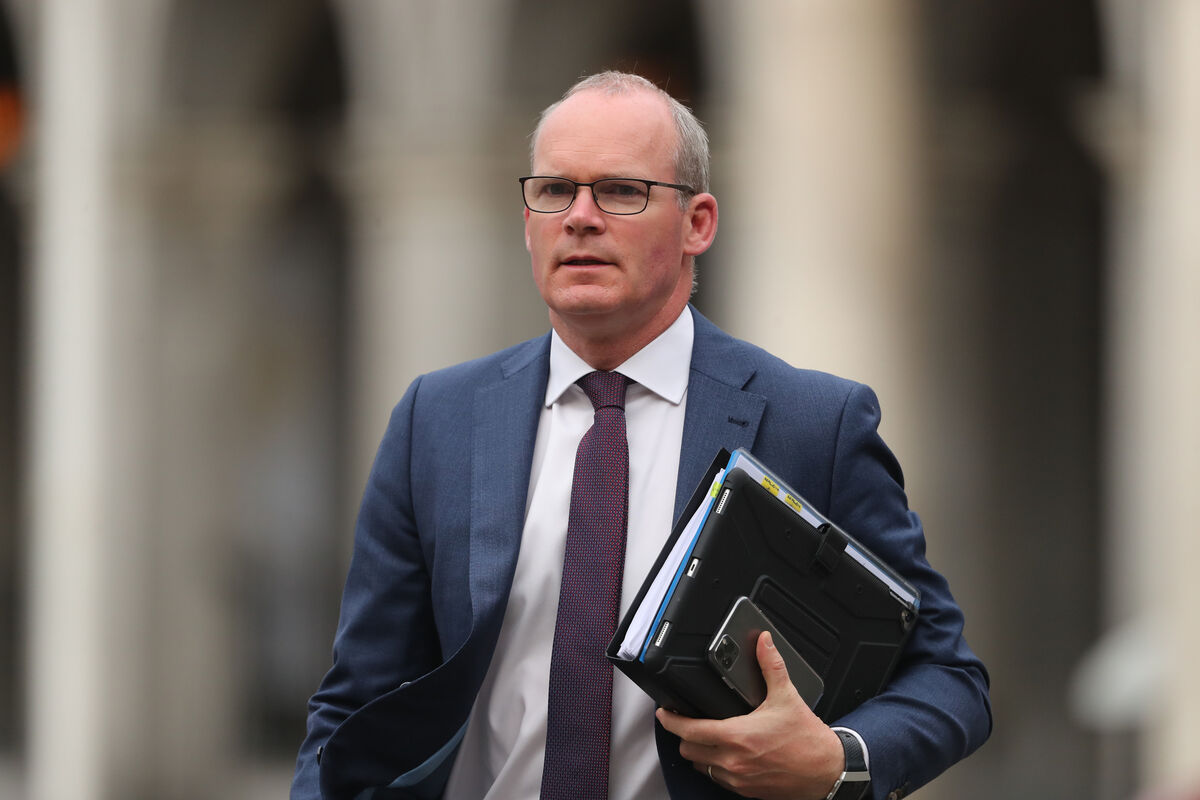
Speaking earlier, Simon Coveney said Europe, the US and Britain must respond to Russia clearly and firmly to act as a deterrent following the country's latest moves.
Mr Coveney stated that there "is no way that the EU can ignore what is a blatant breach of international law".
"You don't send peacekeepers in in tanks and attack helicopters. This is, unfortunately, Russia forcing its will militarily on parts of Ukraine," he told RTÉ's .
Mr Coveney said that there is a need to continue to focus on diplomacy but the question of sanctions and how far sanctions go must also be asked.
"I expect that what you'll see from the EU today is targeted sanctions, not a decision to move ahead with a full package of sanctions," Mr Coveney said.
He added that a full package of sanctions would be justified in the case of a full invasion of Ukraine.
"But certainly I think the EU will want to respond in a coordinated way with a very firm message today."
When asked if the invasion of Ukraine has begun, Mr Coveney said that what's happening is that "a significant number of Russian troops are now moving into a part of Ukraine" that Mr Putin effectively declared as independent states that are not recognised by anyone else.
"So we are seeing in many ways, Russia now moving its troops into another state, and people can describe that in any way they want.
"I think what you'll hear from the EU is a very firm message to criticise Russia for that decision.
"But whether they will describe that as the start of a full-scale invasion of Ukraine - probably not."
The Minister said there "aren't that many" Irish people left in Ukraine with Mr Coveney saying around 60 or 70 citizens are in the country.
He said that for some of those people, Ukraine is their home and they are likely to stay there.
Mr Coveney reiterated that the advice for Irish citizens is to leave Ukraine and not to travel there.
CONNECT WITH US TODAY



Be the first to know the latest news and updates