Number of HAP tenants to increase to 72,000 this year
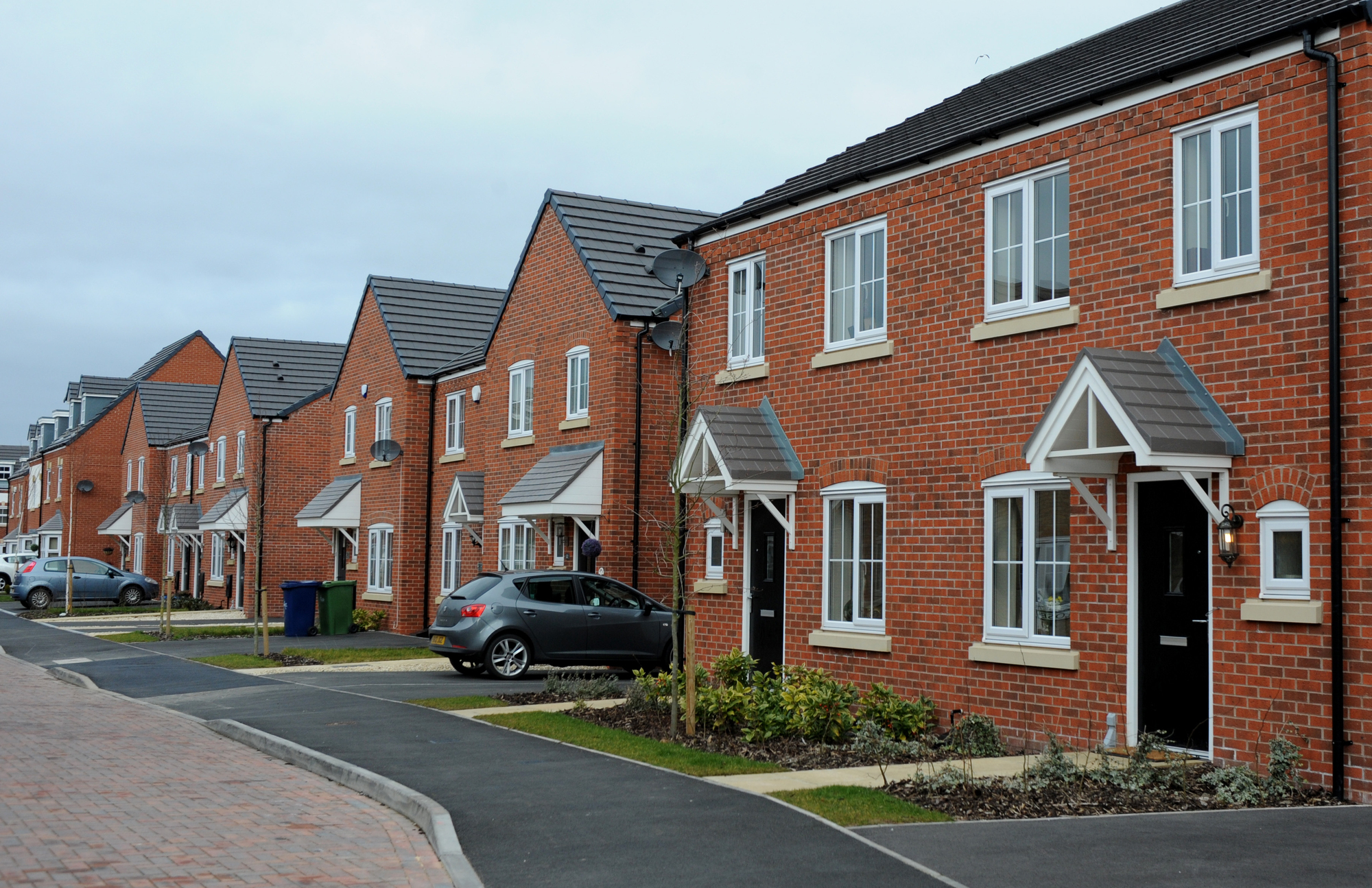
HAP has, in recent years, come to dominate social housing provision in Ireland, and sees payments go directly to private landlords, not local authorities. File picture
The number of households in receipt of the Housing Assistance Payment (HAP) social housing subsidy is set to increase by at least 10,000 this year, an Oireachtas committee has heard.
The head of the Department of Housing has told the Public Accounts Committee (PAC) that the figure is expected to move from about 62,000 households at the end of 2021 to somewhere in the region of 72,000 by the end of 2022.
HAP has, in recent years, come to dominate social housing provision in Ireland, and sees payments go directly to private landlords, not local authorities.
The department’s budget for HAP payments across 2022 is €564m, up from €465m in 2020.
Meanwhile, despite an explosion in rental payments countrywide over the past 24 months, the maximum HAP payment for eligible households has not been revised since 2017.
The PAC heard that when rental subsidies, HAP and the Rental Accommodation Scheme (RAS) are taken into account, roughly 90,000 households were in receipt of State assistance in 2021, with HAP and RAS between them costing €721m.
Graham Doyle, the department’s secretary-general, said the rates of HAP and RAS payments have been decreasing.
“To date, we’ve used the discretion afforded to local authorities to increase levels of HAP available to people,” he said.
The committee meeting heard sharp criticism from Labour TD Seán Sherlock regarding a fall in inspections of rental properties, which declined from just under 41,000 properties to just 11,731 between 2019 and the first nine months of last year.
While funding for such inspections was increased in 2018, Caroline Timmons, the department’s assistant secretary with responsibility for housing affordability, said she “couldn’t agree more” that the inspections regime “needs to be improved”.
She said the department was “trying to get the local authorities back into that space”.
She said due to the pandemic and household visiting restrictions which resulted from that, local authorities had been trying “virtual inspections” and hoped to do more of those.
Ms Timmons added that the low figure for inspections is often because inspections are often not followed through “right to the end”, due to 93% of them failing in the first instance “due to something small”.
Meanwhile, the department defended the €214m in unspent capital funding it recorded for 2020, saying the primary reason for the underspend was “the slowdown in the construction sector”.
“We didn’t lose that €214m,” Marguerite Ryan, the department’s finance officer, said.