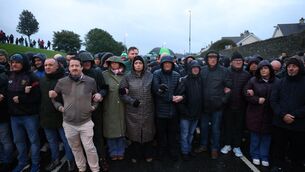
Stardust inquests: Coroner rejects bid to exclude possible unlawful killing verdict
Stardust inquests: Coroner rejects bid to exclude possible unlawful killing verdict

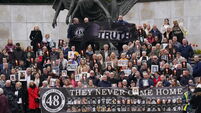
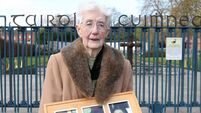
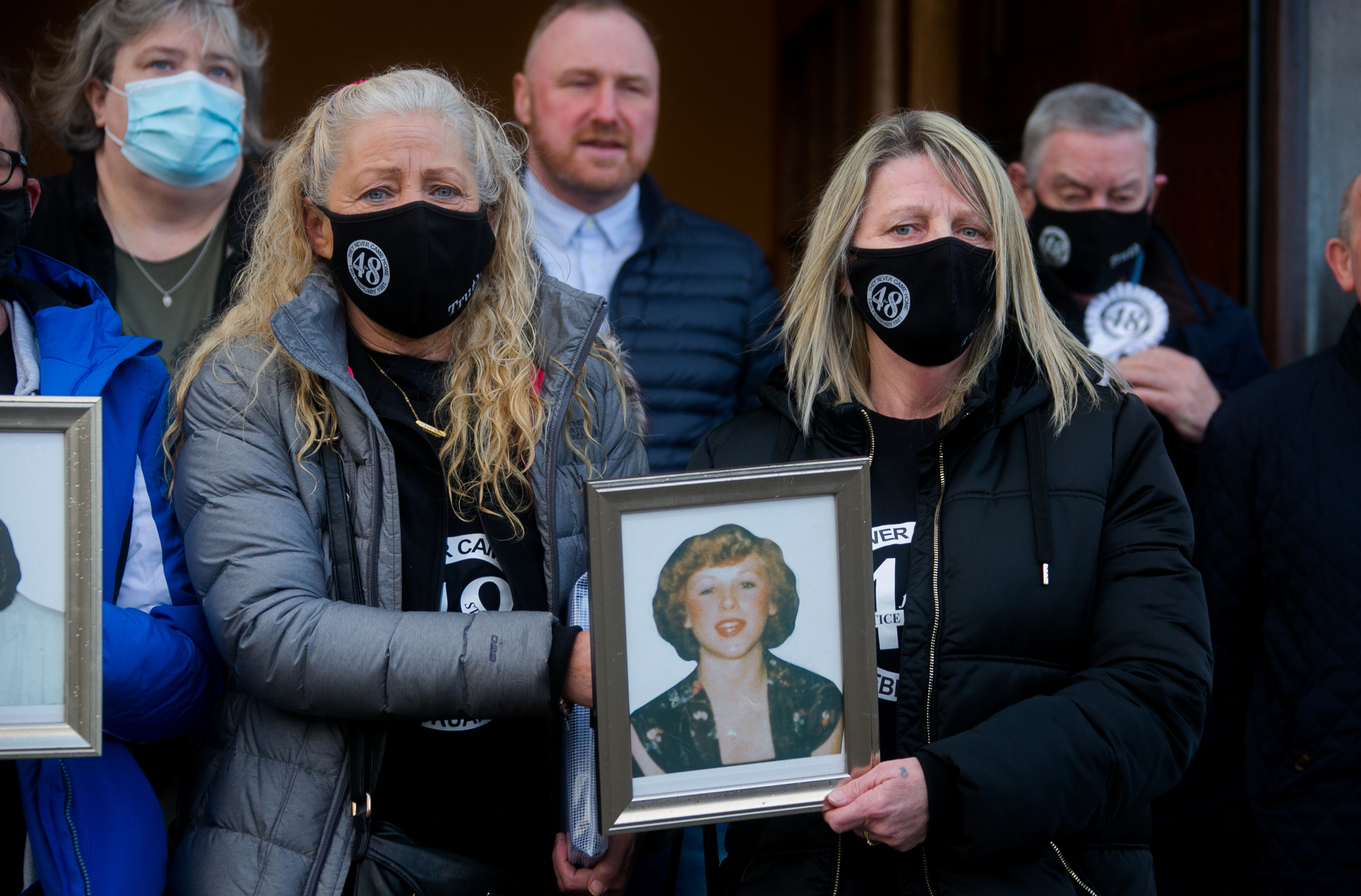
Antoinette Keegan and Pauline Braymer holding photos of Stardust victims Martina and Mary Keegan with Stardust supporters and families at the Coroners Court inquest into the Stardust tragedy in the RDS, Dublin, last week.

A Dublin city coroner has rejected an application from the man who ran the Stardust nightclub for “unlawful killing” to be excluded as a possible verdict at the upcoming inquests.

Some 48 people died in the fire at the nightclub on Valentine's Day in 1981.

The coroner said she did not think it was "necessary or appropriate" to take the step of ruling out the verdict of unlawful killing. 

“Directions will be given to the jury at the opening of the inquests, at the closing before they retire to consider their verdict, and possibly at other points. If submissions are necessary from the relevant legal teams in relation to such directions, I will hear them," the coroner said.

Dr Myra Cullinane is conducting the inquests into the deaths of the 48 people.

Last week, she heard an application from counsel for former Stardust manager Eamon Butterly to exclude that possible verdict from the inquests.

Paul O’Higgins SC, for Mr Butterly, indicated his client may challenge the constitutionality of the inquests if such a potential verdict wasn’t ruled out.

He said the evidence to be heard at the inquests could “in another setting have a bearing on issues of civil and criminal liability”, and that inquests were precluded from examining such issues.

Sean Guerin SC, representing the majority of families, said “these inquests are not about Mr Butterly, the verdicts won’t be either… the inquests are about the victims and how they died”.

Desmond Fahy QC, also for the families, had said the families he represents were now concerned at the potential delay to proceedings arising from these matters “at the 11th hour”.

“There is no proper reason why we can’t get to those inquests that the families have been waiting for for so long” he said.

In her ruling on the matter, Dr Cullinane said it was not in her power as a coroner to investigate allegations of civil or criminal wrongdoing.

“Although it is both my power and my duty to investigate acts or omissions which might in other settings be consistent with such allegations,” she said.

Citing the usual processing of inquests, she added: “It is only after this evidence has been heard that an inquest (whether a coroner or a jury, as the case may be) will 'make findings' and consider the appropriate verdicts arising from the evidence that has been heard.

To rule out any verdict prior to the hearing of any evidence would be manifestly to invert the prescribed process. 

"It is not appropriate for a coroner to rule out any verdict, on the grounds that it is not possible to know definitively what evidence may be called or what findings may be made on foot of that evidence.” 

While the pre-inquest hearings have largely taken place at Dublin’s RDS, a venue change had long been required given the contract at the RDS expires later this month.

The actual running of the inquests is now due to take place at Dublin’s Rotunda Hospital.

x

More in this section

Lunchtime News

Newsletter

Keep up with stories of the day with our lunchtime news wrap and important breaking news alerts.

Cookie Policy Privacy Policy Brand Safety FAQ Help Contact Us Terms and Conditions

© Examiner Echo Group Limited