Climate change ‘may have profound and unanticipated effects’ on disease transmission
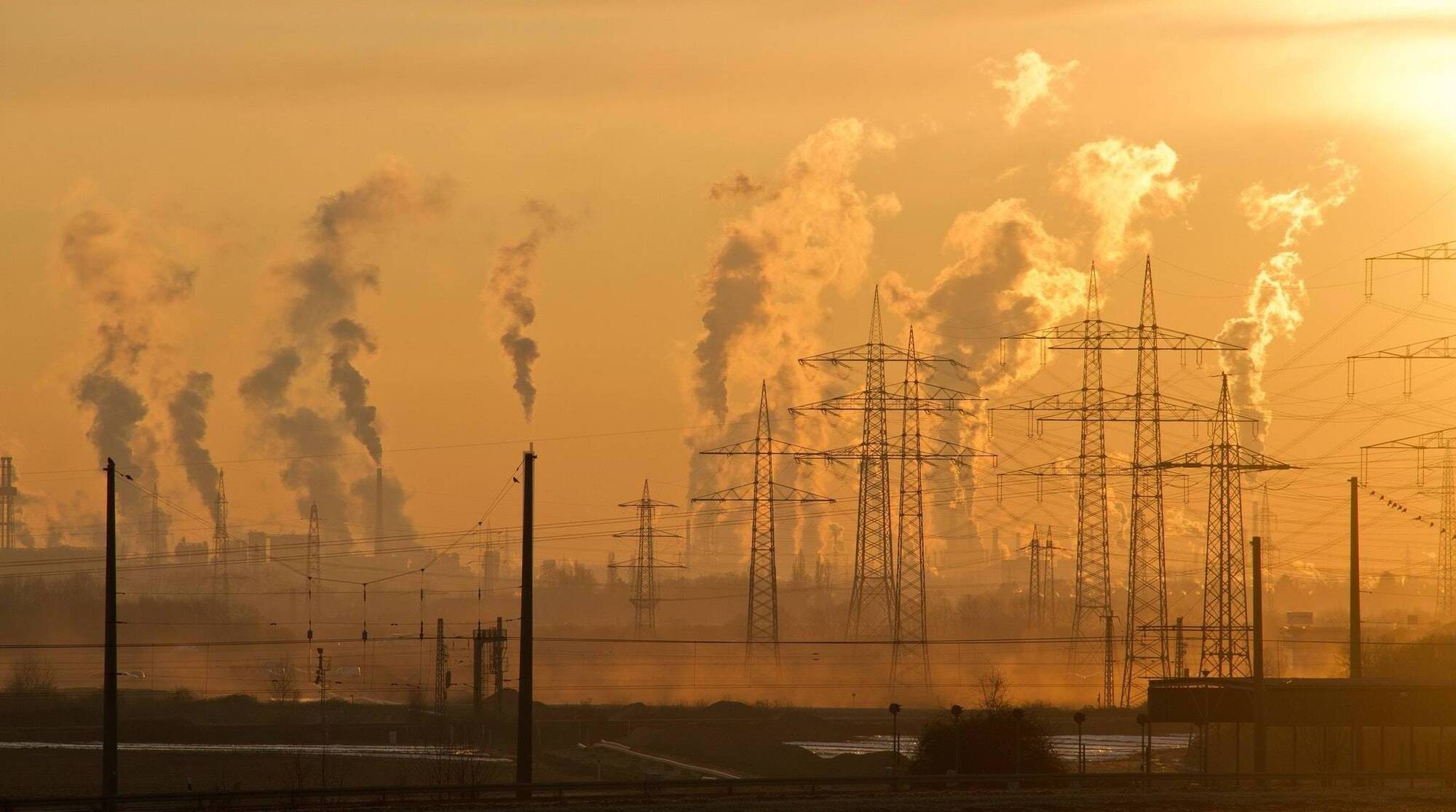
New research by Trinity College Dublin researchers shows temperature variation affects pathogens and their hosts in distinct ways.
As global temperatures rise and extreme weather events such as heatwaves become more common, it’ll become more difficult to predict how these changes will affect disease transmission.
That is according to a study carried out by researchers at Trinity College Dublin, which states that heatwaves and other temperature changes can have varying effects on infection rates and disease outcomes.
The report, which has been published this week, shows that “changing patterns of climate variation, superimposed on shifts in mean temperatures due to global warming, may have profound and unanticipated effects on disease dynamics”.
“Climate change is predicted to increase not only average temperatures but also temperature fluctuations and the frequency and intensity of extreme weather events,” explained co-first author Pepijn Luijckx, William C Campbell Professor in Parasite Biology at Trinity College Dublin.
Here in Ireland, two of 2022’s first extreme weather events are set to occur within days of each other this week as Storm Dudley and Eunice bring strong and dangerous winds.
“Yet although studies have quantified the effects of rising average temperatures on host and pathogen traits, the influence of variable temperature regimes such as heatwaves remains largely unknown,” Professor Luijckx added.
Luijckx and the team examined the effects of different temperatures on various traits in a small crustacean called Daphnia magna and its known gut parasite, Odospora colligata.
Transmission of this parasite is similar to that seen with diseases such as Covid-19 and cholera.

It was found that daily fluctuations of temperature reduced the infectivity and spore burden of the parasite compared to those kept at the constant average temperature.
However, the infectivity of parasites after a heatwave was almost the same as the infectivity of those maintained at the constant temperature.
The research shows that under some circumstances the parasites were able to withstand the sudden change in heat better than their hosts.
“Our findings show that temperature variation alters the outcome of host-pathogen interactions in complex ways,” Professor Luijckx said.
Alongside Pepijn Luijckx, the research team includes co-first author Charlotte Kunze (Carl von Ossietzky University of Oldenburg, Germany, and Trinity), Andrew Jackson and Ian Donohue (both Trinity).
CLIMATE & SUSTAINABILITY HUB