Addiction service sees 80% rise in adolescent referrals
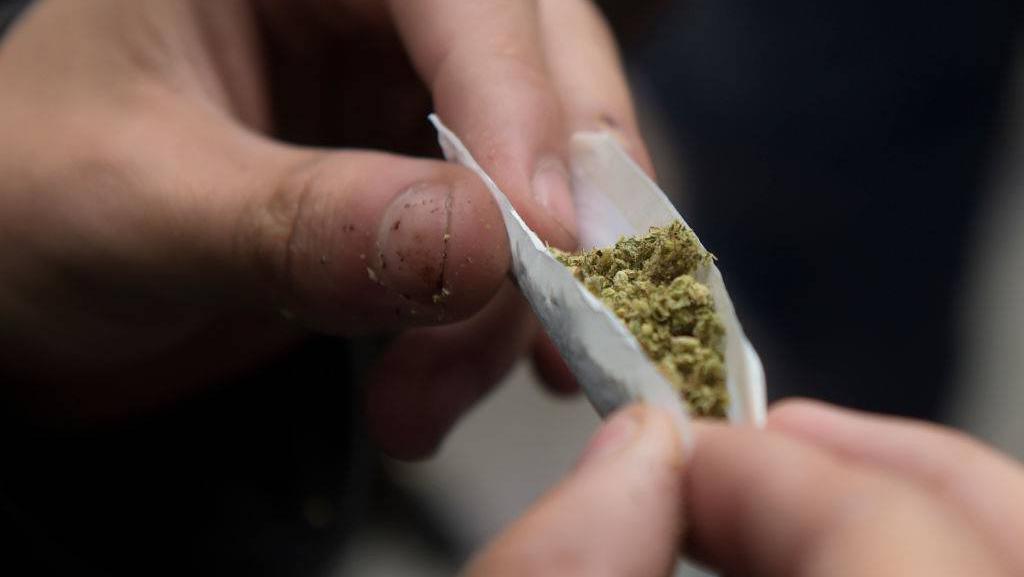
Cannabis was the main drug used by those referred to the HSE service, with 96% of those attending using it, while 54% were using alcohoL.
An HSE addiction service for young people has seen an 80% increase in the number of referrals from the Child and Adolescent Mental Health Service, which it said indicated the level of "dual diagnosis" in young people seeking help.
The annual report of the Adolescent Addiction Service Report also shows there was a 25% increase in referrals overall last year, with some of those children and young people involved in drug dealing and drawn into money laundering, and that some young people were receiving "mixed messages" over drug use "given the tolerance for substance abuse within [the] community".
The service — which has now been operating for almost 25 years — covers five large catchment areas in Dublin, including Lucan, Clonadlakin and Bllyfermot, but also takes referrals from outside those areas.
Last year it dealt with 50 young people aged between 13 and 18. The report said: "Of note is [the] 80% increase in referrals from CAMHS which reflects the extent of dual diagnosis among young people who access service.
"The extent to which young people had previous/current contact with CAMHS was 72% compared to 59% in 2020. All attendees were known to a number of agencies and on average the service had contact with three other agencies on behalf of young people in addition to other concerned persons."
Cannabis was the main drug used by those referred to the service, with 96% of those attending using it, while 54% were using alcohol, down 15% compared with the figure in 2020.
"Other substances of use included cocaine (16%), reflecting a 10% reduction on 2020, and benzodiazepines featured among 16% of referrals, reflecting a reduction of 8% on 2020," it said.
Other drugs used less frequently were ketamine and amphetamines, while 8% admitted to taking nitrous oxide on occasion.
The report also highlights associated issues in the lives of the young people referred to the service, such as increased incidents of self-harm, suicide ideation, depression, dissociation and anxiety compounded by school and other service closures.
"The numbers of young people attending the service of school-going age, who were out of education/training at time of referral, was difficult to ascertain due to schools closures from January to April," it said, adding: "For some young people participation in remote learning was an issue due to absence of technology."
Other issues included "absconding, indebtedness, holding, distributing or dealing drugs as well as being inveigled into money laundering were also issues in some instances."
Most referrals came from the Clondalkin area, followed by Lucan and the report said most of those referred (90%) were seen by a family therapist only.
It also said in most cases drug use was well established by the time the young person was referred to the service, with the challenge for parents and non-parental adults being to identify young people within risk groups at an early stage and getting them to services "in a timely manner".
"But, given the level of tolerance for substance use within community and petitions for the legalisation of all drugs, young people are being given mixed messages with some adults not fully appreciating the consequences of substance use for young people," the report said.
CONNECT WITH US TODAY



Be the first to know the latest news and updates