'Glut' of men to address their domestic violence behaviour post-pandemic 
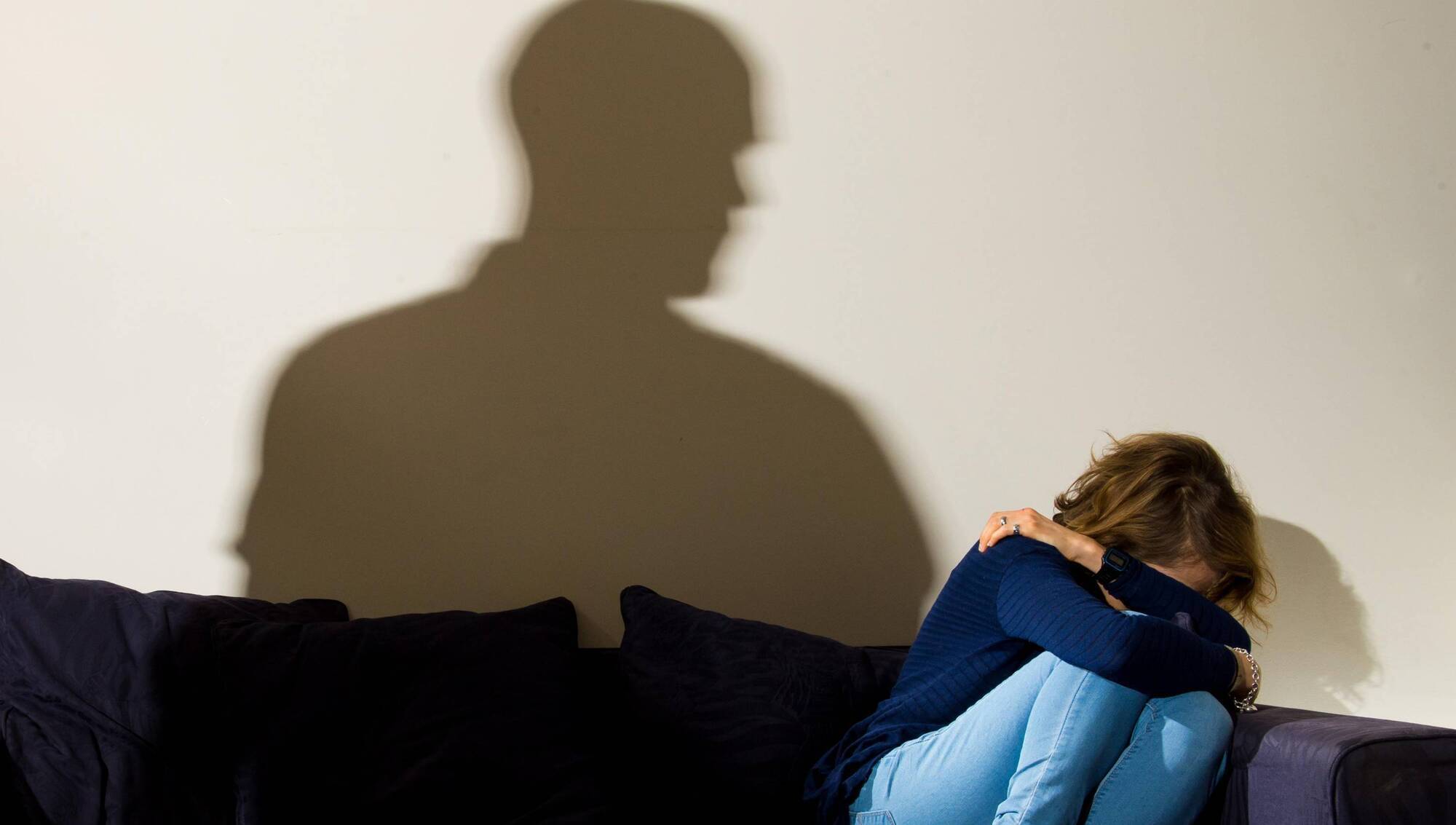
'Glut' of men to address their domestic violence behaviour post-pandemic 

The impact of the pandemic — through reduced court appearances and limited interaction with social workers and other professionals — had a knock-on effect on the number of men coming forward to address their violent behaviour.

Organisations who work with perpetrators of domestic violence expect a rise in referrals, as the Covid-19 pandemic reduced the number of men referred for treatment and hampered efforts to complete therapy programmes.

Move Ireland, which operates centres around the country, said provisional data showed a rise in the number of referrals to its programmes last year, following a dip in 2020 following the onset of the pandemic.

Referrals

The Men's Development Network, which runs five centres in the south-east of the country, also said it expected its returns for last year to show an increase, and its CEO, Seán Cooke, said there had been a dozen referrals to one of its units in Carlow/Kilkenny in one week.

"We are expecting a glut and it's the start," he said. "That is a direct result of people coming back into contact with frontline services."

Both organisations receive most of their referrals from the Child and Family Agency and the Probation Service, but both said the impact of the pandemic — through reduced court appearances and limited interaction with social workers and other professionals — had a knock-on effect on the number of men coming forward to address their violent behaviour.

Figures from Move Ireland show it had 223 referrals to its services in 2019, but the number for 2020 dropped to 161. Of those, 71 started a programme, but just nine people completed it, attributed directly to the disruption from Covid-19. The majority of those men who began a programme in 2020 were carried over into 2021.

Provisional data from Move Ireland shows the number of referrals it received last year rebounded somewhat, to 194, with 161 of those assessed for a programme and at least 57 completing a programme.

Intervention

Move Ireland CEO Owen O'Neill said: "The CHOICES programme is a rolling programme. The majority of men who start the programme in one year finish in the following year. The intervention normally lasts between seven and 10 months. During Covid many of the men were with us for over 12 months.

The number of women supported — partners and ex-partners — by Move Ireland last year is still being calculated, but stood at 92 in both 2019 and 2020.

Mr O'Neill said: "We would get 50% of our referrals from agencies and I think obviously agencies were struggling to maintain their service delivery and it probably had an impact on those referrals coming to us."

A move to more one-on-one work, including online, did benefit some clients, he said, while Seán Cooke said for some of the pandemic, the level of online interaction with clients was "a handholding exercise" until the programmes could fully resume.

Both organisations are awaiting the third national strategy on domestic violence, due in the coming months, and Owen O'Neill said there was a need to further roll-out perpetrator programmes, as some counties do not have any, as well as additional funding.

  • www.moveireland.ie
  • mensnetwork.ie

More in this section

Lunchtime News

Newsletter

Keep up with stories of the day with our lunchtime news wrap and important breaking news alerts.

Cookie Policy Privacy Policy Brand Safety FAQ Help Contact Us Terms and Conditions

© Examiner Echo Group Limited