Online trolling of public figures 'should be considered a hate crime'
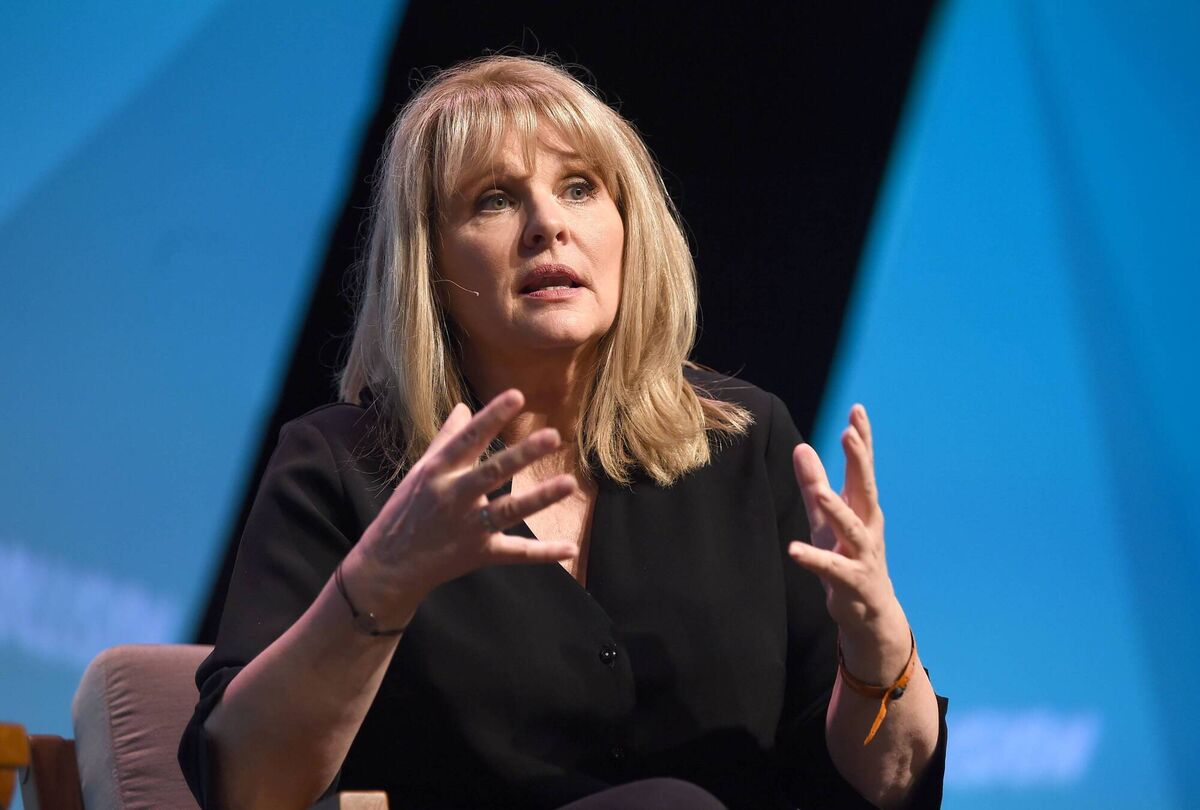
Professor Mary Aiken: 'We have seen social media platforms self-regulating for far too long. This is the crux of the problem.' File Picture: iStock
The online trolling of public figures should be considered a specific hate crime, a professor of cyberpsychology has said.
Speaking at the Oireachtas Joint Media Committee on Tuesday, chairwoman of the Department of Cyberpsychology at Washington DC’s STEM University, professor Mary Aiken, said that politicians and other public figures are regularly subjected to online abuse by trolls.
During a committee debate on online misinformation and media literacy, Ms Aiken recommended that such trolling be included in the upcoming Online Safety and Media Regulation Bill.
She said the level of online vitriol that public figures have to endure could be a huge deterrent for any future political candidate.
“Why would you want to put yourself through this when young people see how you are targeted and how family members can be targeted and how nuggets of information can be taken and blown out of context," she said.
The influential professor said there had been a rise of “cyber pitchfork mobs” where those targeted are subject to the cancel culture and often forced off of social media platforms entirely.
"The internet abhors a vacuum and what happens is that people step in to self-regulate," she said.
“We have seen this form of cancel culture because there is a lack of legislation to address these issues,” Ms Aiken added.
“We have seen social media platforms self-regulating for far too long. This is the crux of the problem."
However, prof Aiken said a delicate balance had to be struck on the matter between "freedom of speech, freedom of thought, freedom of expression and censorship."
“It’s very complex and you can have overlay between misinformation and disinformation.”
Tackling disinformation was a tall order, she said, as comments are posted in real-time.
She told committee members that the establishment of a specialist expert group could help advise the general public what could be considered misinformation and disinformation.
Indeed, according to a recent report, Irish people are finding it more difficult than ever to discern real news from fake news online.
Some 85% of those who participated in the wide-ranging research on digital usage from Deloitte said that fake news was "a major problem" for the world today.
“In order to identify something that is disinformation in a cyber context, you need to have a classifier system. Before that you have to create a taxonomy,” Prof Aiken said.
Social media companies performed these actions, she said, but the issue was that they are not compelled to share them with others.
“We're seeing the rise of cyber anti-vigilantism, where particulars or people are targeted, people come together and you get these pile-ons and it can be extremely stressful for their person on the receiving end of that.
“There are ways to tackle it. You can look at repeat offenders, you can look at how organised it is, if there is political intent behind what is manifesting," she added.


CONNECT WITH US TODAY



Be the first to know the latest news and updates