One-third of children with rare diseases have to wait over five years for diagnosis
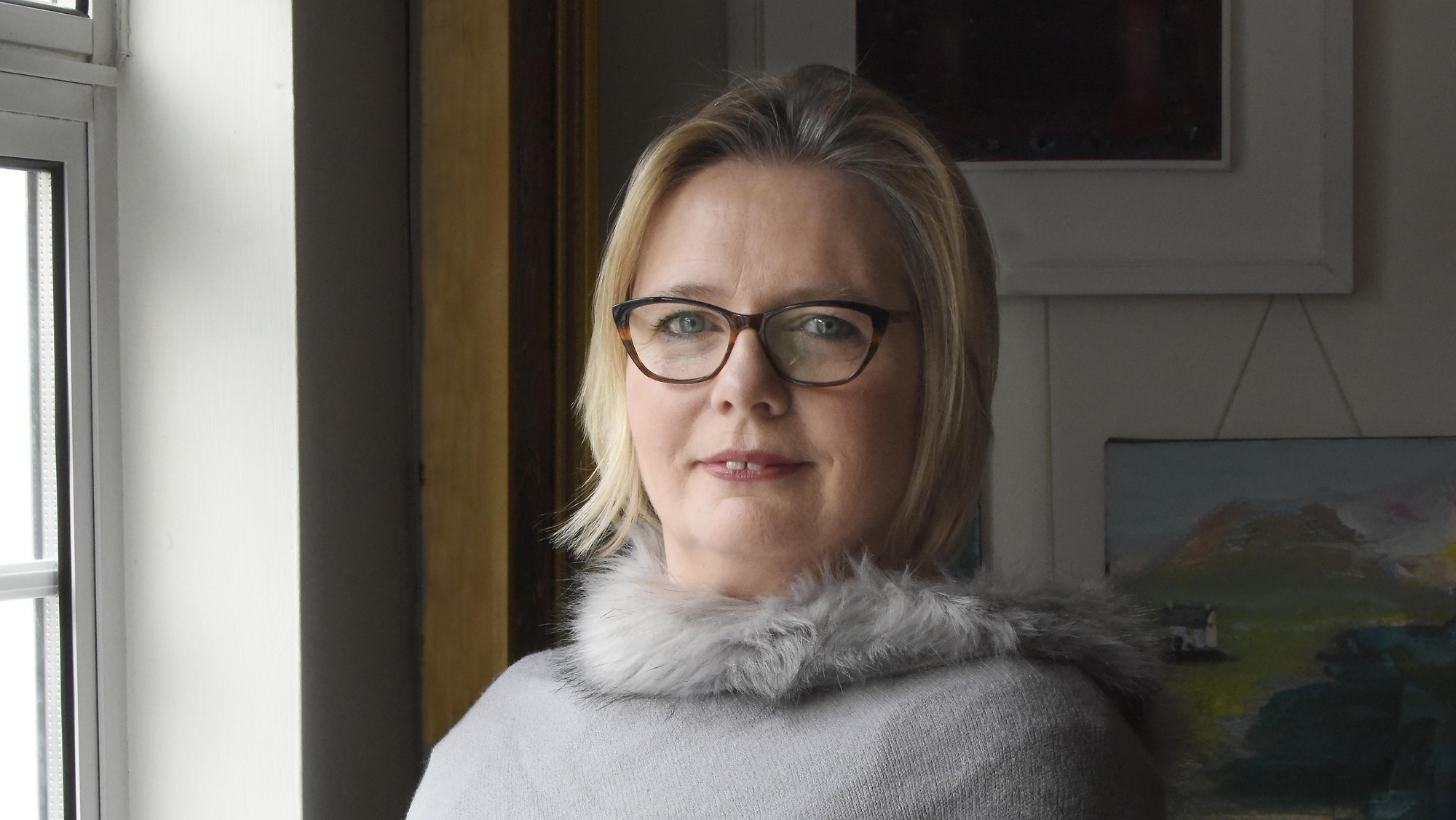
Vicky McGrath, CEO of Rare Disease Ireland. Picture: Moya Nolan
More than one-in-three children with a rare disease waited over five years for their diagnosis, new findings have revealed.
It has also emerged that some 4,023 children are now on waiting lists for clinical genetics.
These findings, published today (MON) by Rare Disease Ireland, point to a “fragmented” and “torturous” route to treatment for thousands of families.
Many have been forced to go abroad for diagnosis and care, and calls are growing for the government to act on its pledges to improve treatment options for rare diseases which remain unfilfilled.
"Delays mean that not only does the person not get the care that they need, but they may also be provided with unnecessary and potentially harmful treatment,” Vicky McGrath, CEO of Rare Disease Ireland said.
The alliance is calling for a “level playing field” for their children. In compiling their research, the group found a shocking disparity between those who can afford private care and those who cannot.
Among families who opted for private diagnosis, 75% got results within three months. By contrast, just 38% of public patients got results this quickly, and almost one-in-five(18%) had to wait two years or longer.
A number of families opted to travel internationally for diagnosis (13%), assessment (18%) or care (11%).
One family quoted in the report said: “Our option was either wait 2-3 years to have the test results explained to us or see the one private geneticist in two weeks.”
Pledges in the Programme for Government for rare diseases have not been acted upon, Ms McGrath said, including an updated National Rare Diseases Plan and better support for Ireland’s only genetics service in CHI at Crumlin.
The shortage of specialised staff and consultants is highlighted as a key issue, with waiting lists increasing by one-third between 2019 and 2021.
“It is clear resourcing of genetic services is key to addressing the tortuous diagnostic journey for many,” Ms McGrath said.
She called for strategic development from the HSE and Department of Health.
The survey also highlights the complex care needed for these children, with 48% seeing between three and five specialists before diagnosis and 25% seeing six or more.
Only 54% of families were given diagnosis in person, 25% were told on the phone, and 23% received “potentially life-changing results” by email or letter.
Questions on access to treatment showed 19% said treatment was not available in Ireland due to waiting lists, another 18% said they could not get treatment here for financial reasons.
Only 62% of the children are being looked after by a doctor with expertise in their disease, and 31% said there is no doctor with the necessary expertise in Ireland. Less than half of the children (44%) are cared for by a consultant-led multi-disciplinary team.

CONNECT WITH US TODAY



Be the first to know the latest news and updates