'No matter what precautions we take, we are still not safe'
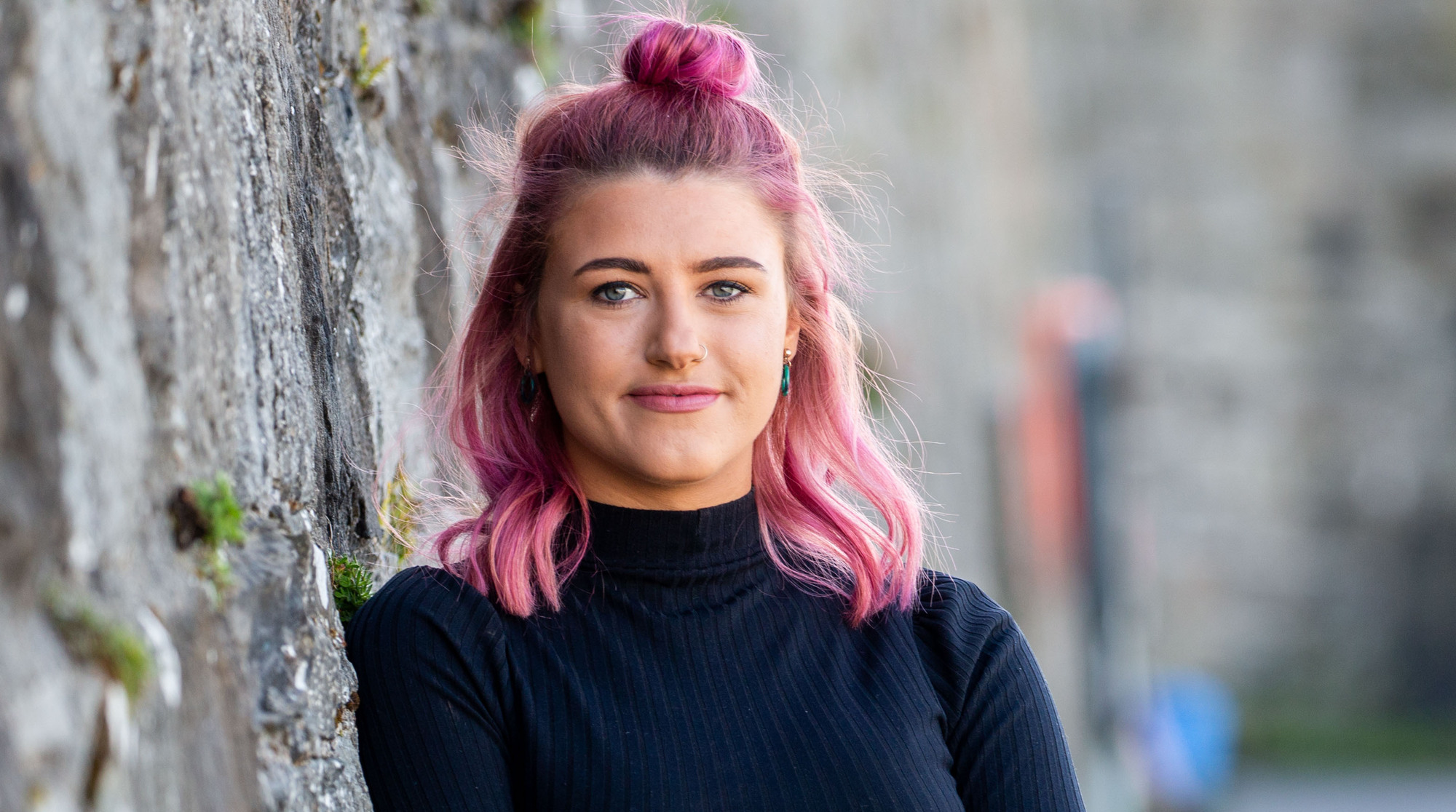
'Every woman that I know has had some sort of experience to put her in that fear,' says Eve McDowell, co-founder of Stalking Ireland. Picture: James Connolly
Women are taking precautions, but are still being killed.
After the shocking murder of Ashling Murphy, women are thinking it could have been them.
Thatâs the reality, said Eve McDowell â a victim of stalking and co-founder of Stalking Ireland.
And itâs time, she said, that men become active in changing that reality for women.
Ms McDowell said that Ashling Murphy, a 23-year-old teacher in Tullamore, took precautions the day her life brutally ended.
She went jogging after work and headed for a popular recreational spot, on a pathway along the Grand Canal, where she knew other people would be.
The primary school teacher went at around 4pm on what was a bright, sunny afternoon.
But those steps didnât stop a male, who, she seemed, not to have known, deciding to beat her, so much so that he murdered her.
âWe know, now, no matter what safety measures we take, no matter what precautions we take, we are still not safe,â Ms McDowell told the .
Justice Minister Helen McEntee echoed this on RTĂ's : "It is, unfortunately, the case that women donât always feel safe. Ashling went to a place where she felt safe â in daylight, a populated area, where people felt safe in â and, yet, this has happened.
Ms McDowell said she had been âalmost shaking all morningâ, and had also felt deflated after hearing of the horrific attack.
âEvery woman that I know has had some sort of experience to put her in that fear, and every time they hear one of these stories or tragedies, it brings them back to that place â they realise that it âcould have been meâ. And, thatâs it â it could be anyone.âÂ
The murder comes just a fortnight after a 17-year-old girl was set upon by males after she got off a bus in Ballyfermot, West Dublin, as she attempted to walk home.
She suffered serious facial injuries and may lose sight in one eye after the attack.
That incident sparked outrage, and members of the local community held a vigil outside the place it happened â the local civic centre â in a gesture of support and condemnation of such violence.
Local councillors expressed fear regarding the impact on other young people, particularly young women and girls, and their freedom to walk the streets.
Ms Murphyâs murder comes almost a year after another woman lost her life as she walked home after work.
Urantsetseg Tserendorj died after she was injured in an attack in Dublinâs north inner city on January 20, 2021.

The 48-year-old, originally from Mongolia but living in Dublin with her family for a number of years, had just finished her cleaning shift in the offices of the Irish Financial Services Centre.
The attack, which occurred around 9.30pm, put her in critical condition, and she died some two weeks later, with her husband at her bedside.
Violence against women was dominated last year by the horrific murder of Sarah Everard in London and the ensuing mass street protests and online testimonies by thousands of women of everyday harassment and the toll it takes.

Ms Everard was also walking home, this time from a friendâs home, last March when she met her predator, serving Met police officer Wayne Couzens.
He falsely arrested the 33-year-old and abducted her in his car. He raped and strangled her before burning her body and disposing of the remains in a pond.
It emerged that there were previous incidents of indecent exposure and sexual assault involving Couzens, and an apparent failure of police officers to investigate him properly.
The incident prompted Garda Commissioner Drew Harris to establish a review of investigations where gardaĂ are accused of domestic or sexual violence to check how they were investigated.
Also in London, last September, a 28-year-old woman was murdered as she took a short five-minute walk through a local park to a pub to meet a friend.
Like Ms Murphy, Sabina Nessa was a primary school teacher, and also appeared to be attacked by a stranger.
One of the most shocking acts in recent times in Ireland of violence by a stranger on a woman was that inflicted by husband and father Mark Hennessy, when he abducted and murdered Jastine Valdez in May 2018.

The 24-year-old student had just got off a bus in Enniskerry, Co Wicklow, and was walking home, where she lived with her parents, when Hennessy bundled her into his car, took her away, and murdered her.
That incident also took place in daylight on a relatively busy road â and was witnessed by people in a passing car.
The murder came just days after the notorious murder of Ana Kriegel, aged just 14, in a dilapidated house in Lucan, West Dublin.
Two boys, then aged 13, were convicted of her murder in June 2019, when they were 15. It is not known why they did it.
In a poignant link to past violence against women, the stretch where Ms Murphy was killed is known locally as Fionaâs Way, in memory of local woman Fiona Pender, who disappeared 25 years ago.
The criminal courts here last year were punctured by horrific cases of violence against women â of Natalia Karaczyn, Nadine Lott, and Anne Colomines.
In the Nadine Lott case, the Garda Superintendent overseeing the investigation said that in his 40 years of policing, he had never seen such a level of violence inflicted on a person.
Sarah Benson of Womenâs Aid said the location of the attacks on women was âirrelevantâ as they can, and do, take place âanywhereâ â both inside the home and out on the streets.
The issue, she said, was men's âbehaviourâ.
Echoing this, Ms McDowell said: âThereâs a lot of #NotAllMen today. Itâs not all men, but it is nearly always a man.âÂ
She said women have been doing almost all the work on this issue.
She said she gets âinfuriatedâ by talk of safety tips for women and the use of alarms and such.
âItâs putting all the focus on victims," she said.Â
"And all the precautions only protect you to a point. Doing all of those things is exhausting. I have to be on alert â paranoid and worried the whole time.âÂ
Ms McDowell said extreme acts of violence against women are at the endpoint of a spectrum that begins with sexist comments.
âResearch shows it starts with catcalling and making rape jokes," she said.Â
âFor people who donât have direct experience of those lines being crossed, itâs hard to comprehend, but the man who stalked me and broke into my house with a knife and a hammer, who I really believe was about to kill me, I didnât think heâd cross those lines.
âThis is why I have no tolerance â and society shouldnât either.â
- If you are affected by any of the issues raised in this article, please click here for a list of support services.